
Private Sale vs Online Buyer for a Non-Runner: Which is Right for You?
Compare private sale and online buyer options for non-running vehicles in South Africa. Learn costs, paperwork, towing and how to choose the best route for your situation.
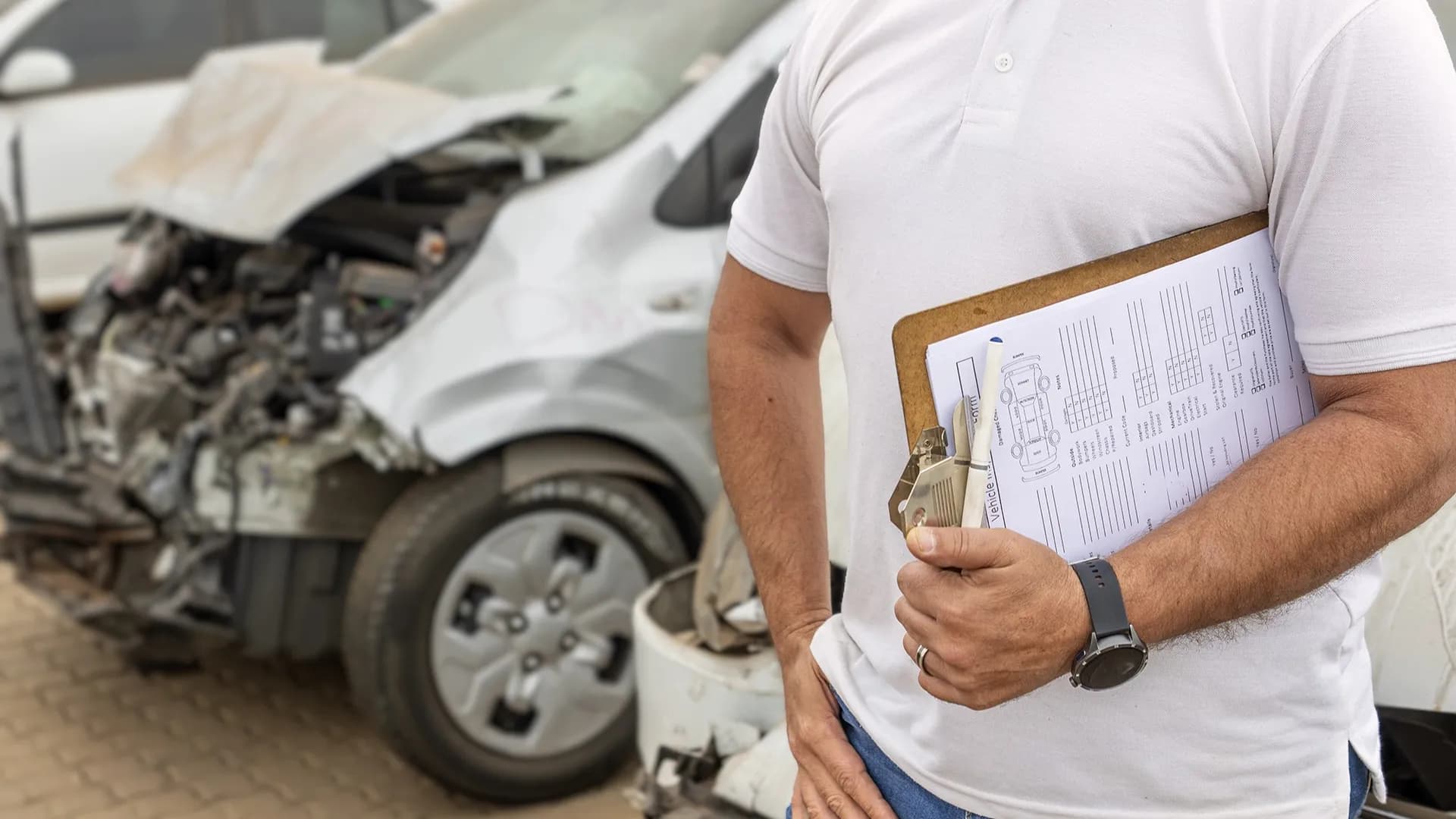
Speed & Convenience
Online buyers offer fast quotes, free towing and handled paperwork nationwide.
Potential Price Trade-off
Private sales can fetch more but take longer and require organising towing and viewings.
SA Legal Steps
Check finance, ownership documents and transfer/deregistration requirements before selling.
Overview: private-sale vs online buyer for non-runner vehicles
If your car won’t start or is sitting after an accident, you face a choice: attempt a private sale or sell to an online buyer that purchases non-running vehicles. The decision affects time, effort, risk and the net cash you receive. This guide explains differences, trade-offs and South Africa-specific practicalities so you can choose with confidence.
Key differences at a glance
- Private sale: You handle adverts, viewings, negotiation, arranging towing and paperwork.
- Online buyer: Fast online valuation, a transparent offer, free towing and handled paperwork from a single provider.
- Time and complexity: Private sale usually takes longer and has higher logistical overhead; online buyers focus on speed and convenience.
Consideration
For non-runners, transport and safe viewing arrangements are major friction points. Online buyers that advertise free towing and paperwork help reduce those barriers and the risk of no-shows or low offers.
When to prefer a private sale
- If the vehicle has cosmetic damage only and you believe private buyers will pay a premium.
- If you have time, local demand (collectors or DIY buyers) and ability to manage viewings and logistics.
- If you want to attempt a higher net price and can safely organise towing/transport.
When an online buyer makes more sense
- If you need speed, minimal admin and free collection across South Africa, including Johannesburg, Cape Town or Durban.
- If the car is a written-off, non-running or requires significant repairs - the cost and hassle of private sale often outweigh benefits.
- If you prefer the buyer to handle deregistration and payment processing.
Repair cost vs value retained
| Typical repair estimate (R, SA context) | Estimated value retained after repair | When private sale might beat online buyer |
|---|---|---|
| R5,000-R15,000 (minor mechanical work) | +10-25% on market value (varies by model) | Possible if buyer market is strong locally |
| R15,000-R60,000 (major mechanical/engine) | +5-15%-often not enough to justify cost | Usually better to sell as non-runner |
| R60,000+ (extensive body or engine rebuild) | Uncertain-value recovery low for older cars | Rarely worth repairing for resale |
Figures above are indicative ranges for South Africa and will vary by make, age and local demand. Repair estimates are examples - obtain quotes before committing.
For practical steps on selling a non-running vehicle online, review the Sell Non-Running Car page for a typical online buyer workflow Sell Non-Running Car and our explanation of what we buy on the Sell Damaged Cars page Sell Damaged Cars.
Damage types vs typical offer impact
| Damage type | Typical impact on offers |
|---|---|
| Superficial bodywork / dents | Small downward adjustment |
| Major structural/frame damage | Significant reduction; often classed as write-off |
| Mechanical non-runner (engine/gearbox) | Moderate-to-high reduction; salvage demand varies |
| Flood or fire damage | Major reduction; buyers price for parting or salvage |
If you want a neutral overview of how online valuations work and what to expect from offers, our About page explains the evaluation factors used by professional buyers How it works.
How the private-sale and online-buyer processes compare
Private sale process typically involves preparing the vehicle, advertising on classifieds, handling inquiries, arranging viewings and negotiating. For a non-runner you must either arrange a tow to a buyer or meet at a recovery yard. In contrast, online buyers use a simple digital workflow: you submit details and photos, receive an offer, accept if suitable, and the buyer arranges collection, paperwork and payment.
Legal & paperwork considerations in South Africa
Selling a vehicle in South Africa requires attention to vehicle ownership, outstanding finance and deregistration procedures. If the car is under finance, the lender’s consent or settlement is needed before transfer. Buyers that handle paperwork will typically assist with deregistration and transfer documents, reducing your administrative burden.
- Provide ID and proof of ownership (paperwork may vary by province).
- Disclose known damage and any insurance write-off status.
- If under finance, contact your lender to confirm settlement steps.
Tips to maximise your offer for a non-runner
- Provide clear, well-lit photos of the vehicle from multiple angles, including odometer and VIN.
- Be honest about faults - transparency reduces renegotiation risk and delays.
- Gather service history and recent invoices to document maintenance.
- Compare offers from multiple buyers and weigh convenience vs marginal price differences.
Practical examples and South Africa scenarios
Example: a non-running sedan with a seized engine may cost R25,000-R45,000 to rebuild (estimate). A private buyer willing to take it could pay more if they intend to repair and resell, but they must arrange collection and accept the risk. An online buyer will present a clear cash offer that factors in towing and salvage costs; the main benefit is lower time and logistical cost for you in Johannesburg, Cape Town, Durban or smaller centres.
What happens after collection
- Buyer inspects and confirms vehicle condition against the submitted details.
- Paperwork is completed - transfer of ownership and any deregistration steps are handled, where offered.
- Payment is released after verification; timelines vary but reputable buyers aim for fast payment.
If you want to compare the step-by-step online selling flow to the private-sale route, our homepage describes the convenience of a single-platform service that handles collection and payment nationwide Sell Your Damaged Car.
Final checklist before you choose
- Estimate repair costs vs expected uplift in private sale price using local quotes.
- Assess time: private sale can take weeks or months; online buyers typically finalise in days.
- Verify buyer credentials, ask about towing, paperwork, and payment timing.
Further reading and resources
For more detail on selling non-running vehicles and related admin, review the detailed Sell Non-Running Car guidance and the Sell Damaged Cars overview for examples of common buyer inclusions and exclusions Sell Non-Running Car and Sell Damaged Cars.
Sources
Seasoned automotive specialists dedicated to helping you turn your damaged or non-running vehicle into cash fast and hassle-free.
Disclaimer: This content is for educational purposes only. Product availability, pricing, and specifications are subject to change. Always verify current details on the retailer's website before making a purchase. We may earn affiliate commissions from qualifying purchases.
Why sell your damaged car to us?

A Division of Auction Nation, the leading expert in selling damaged cars

Best price for your damaged car

Get a cash offer within 24h

We buy damaged cars in any condition

We buy accident- damaged cars still under finance

Free, no obligation offer on your vehicle
How We Calculate Your Damaged Car’s Value
Wondering how we calculate your car’s value? At Sell Your Damaged Car, we look at: Your car’s real condition, its salvage value, and the current market demand. It’s all about honesty, transparency, and fairness — that’s how we determine your offer.
Frequently Asked Questions
Get answers to common questions about Comparison And Alternatives
Why Choose Sell Your Damaged Car?
Free Towing
Need a tow? We got you
Hassle Free
Get a cash offer within 24h!
Nationwide
Somewhere remote? No problem!
