
Price Guide for Damaged Car Sales in South Africa - What Drives Cash Offers
Learn what affects cash offers for damaged, non-running and written-off vehicles in South Africa. Practical examples, repair vs sell guidance, paperwork and valuation tables.
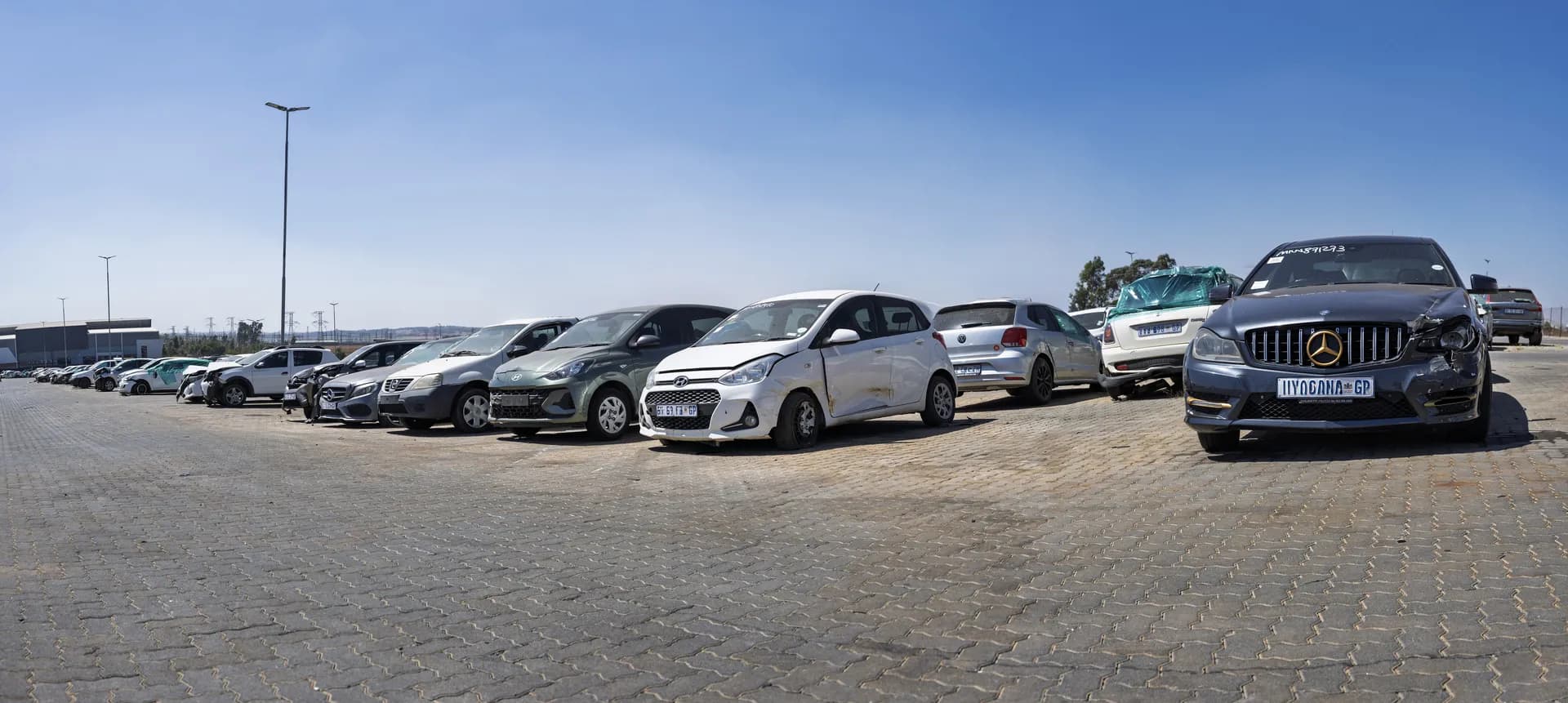
What Affects Price
Make, model, damage severity, parts demand and regional salvage market drive offers.
Sell vs Repair
Repair if costs are low; sell as salvage when repair costs approach market value.
Paperwork & Timing
Deregistration, finance checks and clear documentation speed up payment.
Overview: What a price guide for damaged car sales covers
A price guide for damaged car sales in South Africa explains the factors that influence cash offers for vehicles with accident damage, mechanical failure, flood or fire damage, and non-running status. Valuations consider the make, model, year, mileage, extent of structural or mechanical damage, parts demand, and local salvage market conditions. Estimates are expressed in South African rand (R) and will typically be a range rather than a single fixed figure due to condition variability.
Key valuation drivers
- Pre-damage market value (book/retail value in South Africa).
- Extent of repair required (cosmetic vs structural vs total loss).
- Parts demand and re-saleability in regional salvage markets.
- Vehicle age, mileage and desirability (popular models retain more value).
- Legal status - under finance, written-off, or deregistration needs.
Repair cost vs retained value (illustrative)
| Typical repair cost (R) | Likely retained market value after repair | When selling damaged instead |
|---|---|---|
| R5,000 - R15,000 (minor) | Most of pre-damage value retained | Repair often cost-effective |
| R15,000 - R60,000 (moderate) | Value improves but may not justify time/cost | Selling can be faster and lower risk |
| R60,000+ (major/structural) | Often less than repair cost; insurance write-off likely | Selling as salvage is usually recommended |
Estimated figures above are illustrative for South Africa. Actual offers depend on model-specific demand, parts pricing and local salvage buyers in cities such as Johannesburg, Cape Town and Durban.
When to sell vs repair a damaged car
Deciding whether to repair or sell a damaged car requires weighing repair costs, time, insurance outcomes and personal need. If repair costs approach or exceed the pre-damage market value, or if the vehicle is under a complex insurance write-off, selling to a specialist buyer can be a simpler, low-risk option. For commercial fleets, disposal speed and predictable cash recovery often outweigh repairing individual units.
Practical South Africa scenarios
- Small dent and bumper damage: repair may be cost-effective if the vehicle is newer and in demand.
- Structural frame damage after a collision: repair costs can be prohibitive; a salvage sale is common.
- Flood-damaged in coastal areas: electrical and engine risks reduce buyer confidence, lowering offers.
- Non-running vehicles with engine failure: selling as-is can avoid towing and repair legwork.
For a clear view of the selling process and how offers are generated, see our How it works page and the Sell Damaged Cars resource for examples of vehicles we buy.
How the valuation and sales process works
A typical price assessment for damaged car sales in South Africa follows these steps: you provide make, model, year, mileage and photos; the buyer checks market demand for parts and repair costs; an obligation-free range or offer is returned. Offers factor in regional demand-parts for a popular model in Johannesburg may fetch better returns than in a smaller town. If you accept, the buyer typically handles paperwork, towing and payment.
Common inclusions and exclusions to expect
- Included: free towing in many services, paperwork assistance (ownership transfers and deregistration), and payment processing.
- Possible exclusions: vehicles with unresolved finance may require lender consent before funds are released.
- Documentation needed: ID, vehicle registration papers, and any insurance/accident reports where available.
Damage types vs typical offer impact (general guide)
| Damage type | Typical effect on offers |
|---|---|
| Cosmetic (panels, paint) | Moderate reduction; repairable cost-effective |
| Mechanical (engine, transmission) | Significant reduction; non-running status lowers offers |
| Structural/frame | Major impact; often leads to write-off valuations |
| Flood/fire | Strong negative effect due to long-term risks |
Legal & paperwork considerations in South Africa
South African sellers must ensure ownership is transferable and disclose any finance encumbrances. Buyers who handle deregistration and transfer reduce seller workload, but always verify receipts and bank confirmation once payment is made. If a vehicle is reported to insurers or the police after an accident, keep copies of reports as they can affect the offer or sale speed.
Finance, deregistration and written-off vehicles
- Vehicle under finance: inform the buyer and lender - settlement may be required before final transfer.
- Deregistration: many buyers assist with the deregistration process to clear the vehicle from active licensing.
- Write-off status: ensure accurate disclosure; different insurers and valuers treat write-offs differently.
For more detail on selling non-running vehicles and the documentation required, consult our Sell Non-Running Car guide and the site homepage for process overview: Sell Your Damaged Car.
Tips to maximise your offer
- Provide clear photos showing damage and odometer reading - transparency helps build trust with buyers.
- Present any recent service history or parts receipts; these can improve perceived value.
- Be honest about prior repairs, flood exposure or engine issues - omissions can delay payment.
- Compare multiple offers where possible to understand the market range for your model.
What happens after collection?
After you accept an offer and the vehicle is collected, reputable buyers will finalise the paperwork (including transfer or deregistration where applicable) and release payment. Payment timelines vary; many buyers issue cleared funds or verified transfers shortly after collection. Keep copies of all documents and confirm the buyer’s proof of payment before releasing keys or ownership papers where practical.
Example timeline (typical for South Africa)
- Day 0: Submit details and photos.
- Day 0-2: Receive valuation range or offer.
- Day 1-7: Accept offer and arrange collection.
- Collection day: paperwork completed; payment processed within 24-72 hours depending on clearing method.
Sources
- Road Traffic Management Corporation (RTMC) - vehicle registration and transfer information
- NAAMSA - market context and vehicle demand insights for South Africa
- The AA South Africa - advice on accident-damaged and non-running vehicles
This guide aims to demystify a price guide for damaged car sales in South Africa. Use these points to set expectations and prepare documentation before engaging buyers in Johannesburg, Cape Town, Durban or other regions. Figures and timing are indicative and will vary by model, condition and local market demand.
Seasoned automotive specialists dedicated to helping you turn your damaged or non-running vehicle into cash fast and hassle-free.
Disclaimer: This content is for educational purposes only. Product availability, pricing, and specifications are subject to change. Always verify current details on the retailer's website before making a purchase. We may earn affiliate commissions from qualifying purchases.
Why sell your damaged car to us?

A Division of Auction Nation, the leading expert in selling damaged cars

Best price for your damaged car

Get a cash offer within 24h

We buy damaged cars in any condition

We buy accident- damaged cars still under finance

Free, no obligation offer on your vehicle
How We Calculate Your Damaged Car’s Value
Wondering how we calculate your car’s value? At Sell Your Damaged Car, we look at: Your car’s real condition, its salvage value, and the current market demand. It’s all about honesty, transparency, and fairness — that’s how we determine your offer.
Frequently Asked Questions
Get answers to common questions about Selling Guides
Why Choose Sell Your Damaged Car?
Free Towing
Need a tow? We got you
Hassle Free
Get a cash offer within 24h!
Nationwide
Somewhere remote? No problem!
