
Preparing for Insurance Assessments on Damaged Vehicles in South Africa
Learn how to prepare for insurance assessments on damaged vehicles in South Africa: documentation, assessment steps, legal paperwork and tips to protect your claim.
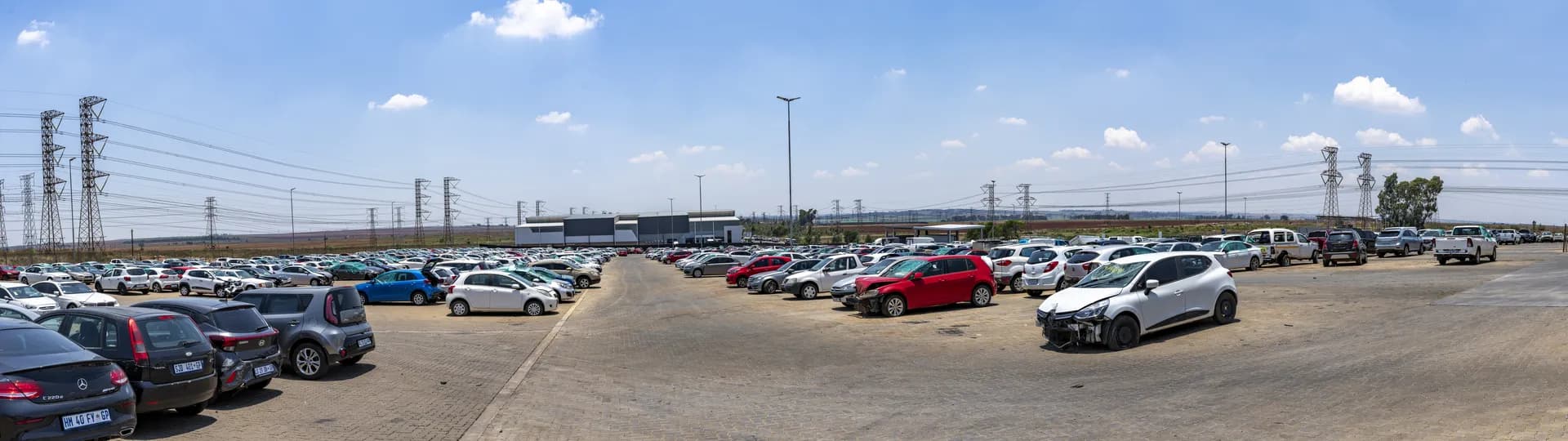
Document Everything
Photos, police case numbers and service records help your claim.
Know Your Options
Repair, accept settlement or sell to specialists depending on assessment.
SA-Specific Steps
Police reporting, finance checks and deregistration matter in South Africa.
Overview: Why preparing matters for insurance assessments
Preparing for insurance assessments on damaged vehicles in South Africa affects the speed and outcome of a claim. Proper photos, accurate records and a clear description of events help assessors, adjusters and your insurer reach a fair decision faster. Whether the vehicle is accident-damaged, flood-affected or non-running, being organised reduces delays and protects your interests.
Before an assessor arrives, gather the vehicle registration, ID, proof of insurance, and any repair or service history. Note that different insurers may request additional evidence; if you are unsure about what your policy requires, refer to your insurer’s terms or consult independent resources such as the Ombudsman for Short-Term Insurance.
Immediate steps at the scene
- Ensure safety first and contact emergency services if needed.
- Report the incident to the police when required - a police case number is often needed for claims.
- Take clear photographs from multiple angles showing overall condition, close-ups of damage and the vehicle identification number (VIN) or chassis plate.
- Record third-party details (if applicable), witness names and contact numbers.
When to sell vs repair after an assessment
After an insurance assessment you may face a choice: pursue repairs, accept a cash settlement from your insurer, or consider selling the vehicle as-is. The right option depends on repair cost, the vehicle’s market value before the incident, remaining finance, and personal needs (e.g., immediate replacement required).
| Scenario | Consideration | Typical outcome |
|---|---|---|
| Repair estimate << pre-accident value | Minor to moderate damage; repair keeps vehicle roadworthy | Proceed with repairs; insurer may authorise approved workshops |
| Repair cost approaches or exceeds pre-accident value | Insurer may declare write-off or pay cash settlement | Consider cash settlement or selling as salvage |
| Non-running or flood/fire damage | Hidden electrical or structural issues likely | Insurer assessment required; selling to specialists is an option |
If you decide not to repair and prefer to convert the vehicle to cash, services that buy damaged and non-running cars can handle collection and paperwork. For more on selling damaged vehicles and what we accept, see Sell Damaged Cars and our national service overview at How it works.
How the insurance assessment process typically works
An assessor (either employed by the insurer or an independent loss adjuster) will inspect the vehicle, compare visible damage to repair estimates, and review supporting documents. They may open panels, check VINs and photograph items for the insurer’s file. Expect questions about how the damage occurred, prior condition, and any pre-existing faults.
Preparing documents and evidence
- Vehicle registration papers and ID document.
- Proof of insurance and policy number.
- Photos taken immediately after the incident, plus any earlier images showing pre-incident condition.
- Receipts for recent servicing or upgrades that affect value.
Legal & paperwork notes specific to South Africa
In South Africa you may need a police case number for insurance claims involving collisions or theft. If a vehicle is declared a write-off, you should check whether there is outstanding finance - the lender’s consent or settlement will be required before transfer. Services that buy damaged cars often assist with deregistration and settlement of outstanding finance, which can simplify the post-assessment process.
Quick note: If your insurer offers repair via their approved workshop, confirm which parts and labour are covered and whether an insurer-owned salvage sale will be offered if the vehicle is written off.
Damage types vs typical offer impact
| Damage type | Assessment focus | Likely effect on settlement or resale |
|---|---|---|
| Front/rear impact | Structural integrity, airbags, frame alignment | Higher repair costs; may lead to write-off if frame damaged |
| Flood damage | Water ingress, electronics, engine contamination | Often severe impact on value; careful inspection required |
| Fire damage | Electrical systems, wiring harness, structural heat damage | Significant reduction in value; may be written off |
| Mechanical failure (non-running) | Cause of failure, cost to return to running condition | Variable impact; specialist buyers may offer competitive cash options |
Tips to maximise the outcome of an insurance assessment
- Document clearly: time-stamped photos and a short written account help clarify claims and reduce disputes.
- Provide maintenance records: recent receipts that show the vehicle was well-maintained can protect pre-incident market value.
- Be transparent about prior damage: undisclosed pre-existing damage can lead to claim disputes or reduced settlements.
- If you’re considering not repairing, compare insurer settlements with offers from reputable buyers of damaged vehicles to make an informed choice; see our Sell Non-Running Car information for process details at Sell Non-Running Car.
What happens after collection or settlement
If the insurer pays a cash settlement and you choose to retain the vehicle, you are typically responsible for repairs and any subsequent deregistration or disposal. If the insurer or a buyer collects the vehicle, ensure you receive written confirmation of transfer, payment details and any deregistration paperwork. Specialists who buy damaged vehicles often assist with transfer and deregistration which can be helpful, especially when lenders are involved. For an overview of how such services work nationally, see our homepage process summary at Sell Your Damaged Car.
Practical South Africa examples
Example: If an assessor estimates repairs at R60,000 and the vehicle’s pre-accident market value was R65,000, your insurer may offer a settlement that reflects diminished value and salvage. Always ask for a breakdown of the insurer’s calculations and, if needed, seek a second opinion from an independent mechanic or assessor.
Sources
- Financial Sector Conduct Authority (FSCA) - Consumer information on insurance
- South African Police Service (SAPS) - Reporting incidents and obtaining case numbers
- Ombudsman for Short-Term Insurance - Dispute resolution guidance
- Sell Your Damaged Car - About our nationwide collection and admin support
Seasoned automotive specialists dedicated to helping you turn your damaged or non-running vehicle into cash fast and hassle-free.
Disclaimer: This content is for educational purposes only. Product availability, pricing, and specifications are subject to change. Always verify current details on the retailer's website before making a purchase. We may earn affiliate commissions from qualifying purchases.
Why sell your damaged car to us?

A Division of Auction Nation, the leading expert in selling damaged cars

Best price for your damaged car

Get a cash offer within 24h

We buy damaged cars in any condition

We buy accident- damaged cars still under finance

Free, no obligation offer on your vehicle
How We Calculate Your Damaged Car’s Value
Wondering how we calculate your car’s value? At Sell Your Damaged Car, we look at: Your car’s real condition, its salvage value, and the current market demand. It’s all about honesty, transparency, and fairness — that’s how we determine your offer.
Frequently Asked Questions
Get answers to common questions about Legal And Paperwork
Why Choose Sell Your Damaged Car?
Free Towing
Need a tow? We got you
Hassle Free
Get a cash offer within 24h!
Nationwide
Somewhere remote? No problem!
