
Photos and Description Tips for Salvage Car Listings in South Africa
Learn how to photograph and describe salvage, written-off and non-running cars in South Africa. Practical shot lists, description templates and SA paperwork notes.
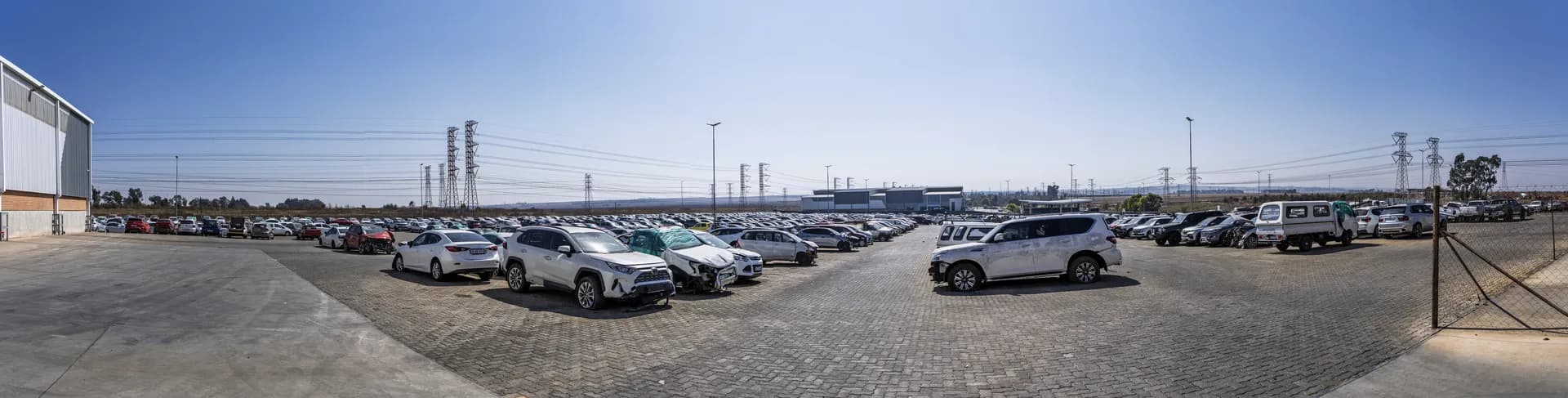
Photo Shot List
Full-vehicle angles, damage close-ups, VIN, odometer and interior shots.
Clear, Honest Descriptions
State damage type, running condition, paperwork and accurate location.
SA-Specific Paperwork
Disclose finance/write-off status and make VIN/docs available for checks.
Overview: Why good photos and descriptions matter for salvage listings
High-quality photos and clear, honest descriptions speed up sales, reduce back-and-forth questions and help buyers or cash buyers (including salvage yards and dismantlers) assess value faster. Whether your vehicle is accident-damaged, non-running, flood-affected or written off, using consistent images and a structured description lets you present condition transparently and increases chances of a fair, competitive cash offer.
Quick tip
Take photos in daylight, show close-ups of damage and include shots of the dashboard (odometer), engine bay and VIN/chassis plate. Clear images reduce inspection delays.
How to structure your photos (shot list)
- Exterior: 4-6 angles (front, rear, both sides) with the whole vehicle visible.
- Damage close-ups: Take multiple close photos of each damaged area with a ruler or object for scale.
- Interior: Cabin overview, seats, dashboard, airbags (deployed or intact) and any water staining or smoke damage.
- Mechanical: Engine bay, transmission area (if visible), wheels/tyres and underbody rust spots where accessible.
- Document shots: VIN/chassis plate, service book pages (if available), registration disc or paperwork.
Writing the description: essential fields
- Basic details: Make, model, year, engine size, transmission and current odometer reading (R context applies to valuations, not odometer).
- Damage summary: Be factual - e.g., front-end structural damage, right-front suspension damaged, airbags deployed, flood-affected floors.
- Running condition: State whether the vehicle starts, drives, is immobilised, or requires towing.
- Paperwork status: Note if there is a COID, clear title, outstanding finance or if the vehicle is deregistered (important for buyers).
- Location and accessibility: City/suburb in South Africa, and whether the vehicle is at a private property, repairer or impound.
When to sell vs repair: a practical view
Deciding whether to repair a salvage vehicle or sell it as-is depends on repair cost, retained market value after repair and how quickly you need to move the car. For many owners of written-off or non-running cars, selling to a specialist buyer saves the logistics, towing and admin burden.
| Repair cost (estimate) | Value retained post-repair (estimate) | When repair may be sensible |
|---|---|---|
| R5 000 - R20 000 | Up to 70% of pre-accident value | Minor bumper/door repairs, cosmetic fixes |
| R20 000 - R60 000 | 40% - 65% of pre-accident value | Moderate structural repair; depends on vehicle value |
| R60 000+ | Variable; often less than 50% | Major structural, flood or fire damage - selling as salvage often preferred |
Notes: figures are illustrative estimates for South Africa and will vary by make, age and local market demand. Use these ranges to judge whether repair costs are likely to be recouped.
For practical support on selling non-running vehicles, see our Sell Non-Running Car page and learn what buyers expect in listings.
If you want an overview of how our purchase process works for salvage vehicles, our About / How it works page explains each step, paperwork handling and towing options.
How the process works for buyers and sellers
A clear listing accelerates valuation. Buyers or salvage specialists typically triage listings by photos, VIN, damage type and location. The usual flow: quick photo review, follow-up questions, possible inspection, and then a formal offer. If you prefer selling to a professional buyer, supply the documentation and exact location to speed collection.
Damage types vs typical offer impact
| Damage type | Typical impact on offers | Listing tips |
|---|---|---|
| Minor cosmetic | Low impact | Show full-body shots and close-ups of repairs |
| Structural/front-end | Medium to high impact | Photograph chassis rails, suspension and alignment evidence |
| Flood or water damage | High impact | Include interior moisture, wiring and engine bay photos |
| Fire/smoke damage | Very high impact | Be explicit about extent; show engine bay and interior panels |
Legal and paperwork matters in South Africa
Honest disclosure about registration, outstanding finance and whether the car is listed as an insurance write-off is essential. Buyers must be able to verify VIN/chassis details and title status. If the vehicle is under finance, note this clearly - settlement or lender consent will be required before transfer. For general government guidance on registration and transfer, refer to official resources.
Tips to maximise clarity and interest in your listing
- Use a consistent naming format: Year, Make, Model, Brief damage tag (e.g., 2014 Toyota Corolla - Front impact).
- Lead with honesty: note airbags deployed, structural versus panel-only damage, and whether the vehicle starts.
- Include a short bullet list of recent maintenance or major issues to avoid repeated questions.
- Set location precisely (City, suburb) and state whether vehicle is accessible for viewing or requires towing.
- If you expect to sell to a specialist buyer who handles towing and paperwork, reference that in the description to attract those buyers quickly; see our Sell Damaged Cars guidance for what buyers look for.
- Add timestamps to photos or note when images were taken to show freshness.
What happens after collection
Once a buyer or service collects the vehicle, paperwork varies: buyers who operate nationwide commonly handle deregistration, transfer and clearance with the relevant authorities and may arrange towing at no cost. If you sell privately, ensure a written receipt and follow the transfer process to avoid future liabilities. If you want to understand the full online sale workflow and how professional buyers arrange towing and payment, see the Sell Your Damaged Car homepage for service inclusions and examples of paperwork handled.
Final practical checklist
- Photos: full-vehicle, damage close-ups, VIN, odometer and document scans.
- Description: concise facts, accurate damage summary, location and paperwork status.
- Transparency: disclose finance and write-off status; honest listings lead to faster, smoother transactions.
Sources
Seasoned automotive specialists dedicated to helping you turn your damaged or non-running vehicle into cash fast and hassle-free.
Disclaimer: This content is for educational purposes only. Product availability, pricing, and specifications are subject to change. Always verify current details on the retailer's website before making a purchase. We may earn affiliate commissions from qualifying purchases.
Why sell your damaged car to us?

A Division of Auction Nation, the leading expert in selling damaged cars

Best price for your damaged car

Get a cash offer within 24h

We buy damaged cars in any condition

We buy accident- damaged cars still under finance

Free, no obligation offer on your vehicle
How We Calculate Your Damaged Car’s Value
Wondering how we calculate your car’s value? At Sell Your Damaged Car, we look at: Your car’s real condition, its salvage value, and the current market demand. It’s all about honesty, transparency, and fairness — that’s how we determine your offer.
Frequently Asked Questions
Get answers to common questions about Tips And Advice
Why Choose Sell Your Damaged Car?
Free Towing
Need a tow? We got you
Hassle Free
Get a cash offer within 24h!
Nationwide
Somewhere remote? No problem!
