
Ownership Transfer for a Non-Running Car in South Africa: Step-by-Step Guide
Step-by-step guide to transferring ownership of a non-running car in South Africa. Understand legal forms, paperwork, and how to avoid future liability.
Overview: Why Ownership Transfer Matters for Non-Running Cars
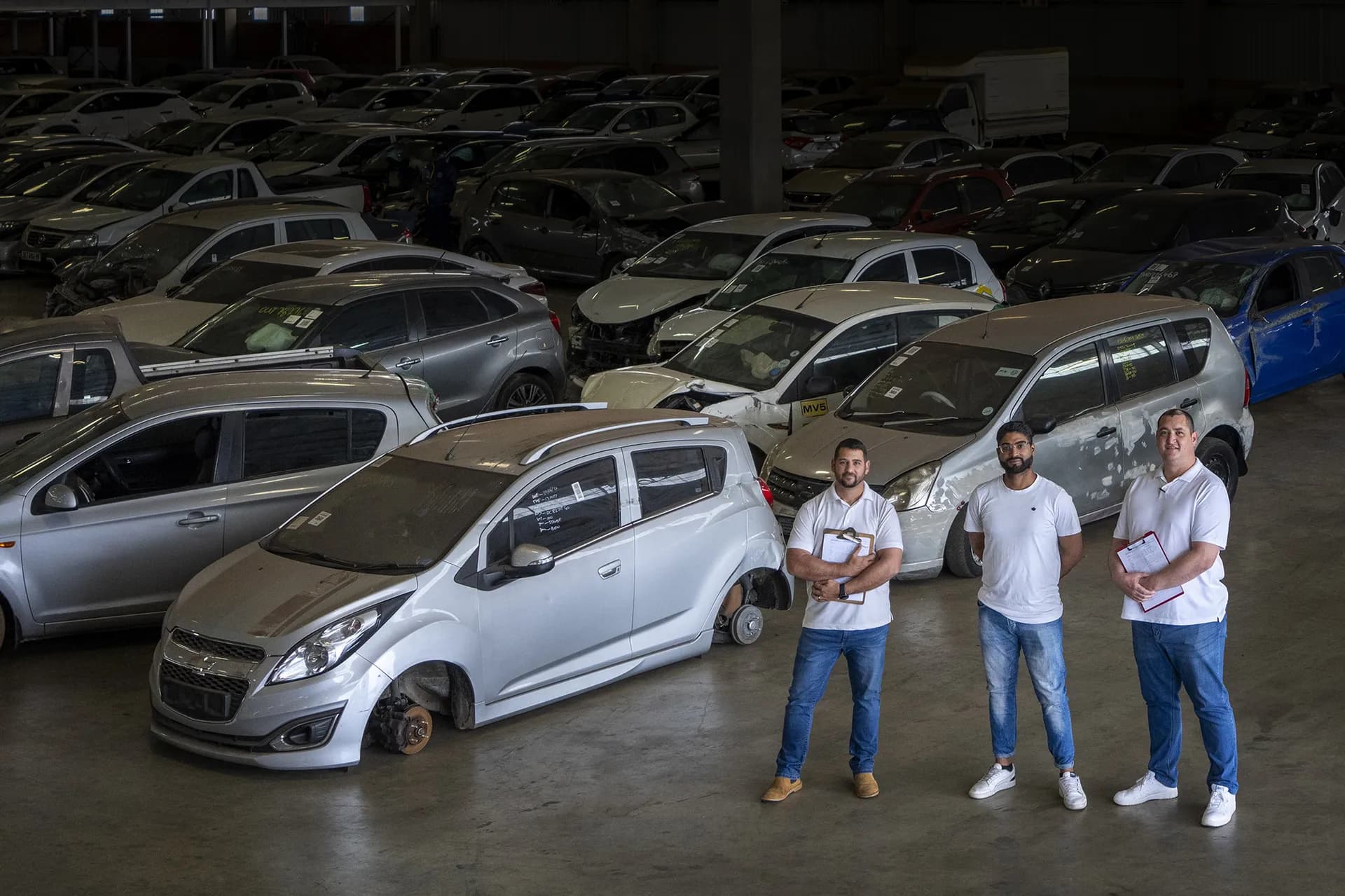
Transferring ownership of a non-running car in South Africa is a crucial legal process, whether the vehicle has been written off, de-registered, or remains stationary due to extensive damage. Proper transfer ensures no future liabilities, compliance with the National Road Traffic Act, and a clear break of responsibilities between seller and buyer. This guide explains how to transfer ownership of a damaged or non-running vehicle, the required paperwork, and how specialist services like Sell Your Damaged Car streamline the experience.
Key Documentation and Legal Requirements
To legally transfer the ownership of a non-running car in South Africa, you need to provide specific documents to your local licensing authority, and in most cases, also to your buyer. The standard requirements include:
- Original vehicle registration certificate (NATIS)
- RSA ID document (seller and buyer)
- Notification of change of ownership (yellow form, NCO - form RC1)
- Sales agreement or invoice (recommended but usually optional)
- A certificate of roadworthiness (not typically needed for non-runners, but check buyer requirements)
| Document | Purpose | Needed for Non-Running? |
|---|---|---|
| NATIS registration | Proof of vehicle ownership | Yes |
| ID copies | Verify seller and buyer identity | Yes |
| RC1 (NCO form) | Officially notifies change of ownership | Yes |
| Roadworthiness | Safety/roadworthy certificate | No, unless buyer requests |
SA Context: Deregistration for Scrap, Salvage, or Export
If the car is beyond repair or destined for parts, deregistration is required. In this case, transferring ownership means updating records to reflect the vehicle's status (e.g. scrap, permanently unfit, or exported). The RC1 form and written-off notification (form RVC) must be lodged at your licensing office or via an authorised agent.
Specialist buyers like Sell Your Damaged Car include this paperwork in their service, making it easier to comply and avoid future liability.
When Should You Transfer Ownership vs. Deregister?
Understanding whether to proceed with ownership transfer or direct deregistration depends on your situation. Here's a quick reference:
| Scenario | Action | Key Notes |
|---|---|---|
| Selling to a private party or business | Ownership transfer | Both parties sign RC1/NCO form |
| Car beyond repair, destined for scrap | Deregistration | Provide letter of scrapping and RVC form |
| Sold to salvage buyer | Ownership transfer or deregistration | Depends on agreement (buyer may assist) |
In most cases, transferring ownership is preferable if the vehicle will be rebuilt, repaired or used for parts. For cars that can no longer exist legally on the road, deregistration is required by law.
How the Process Works - Step-by-Step
- Prepare your documents: NATIS registration, ID copies, completed RC1/NCO form, and (for scrap) a deregistration form (RVC).
- Meet the buyer or salvage service: Exchange and sign documents. Many professional buyers handle the paperwork for you.
- Notify your local licensing department: Submit the yellow NCO/RC1 form in person or online (where available).
- Buyer completes new registration: Uses the documents you provided; buyer must handle roadworthy certificate if car is to be re-registered for road use.
- If the car is permanently unfit, complete deregistration: Submit RVC form and obtain an affidavit or scrapping letter if required.
Paperwork for Vehicles Still Under Finance
If your non-running car is still financed, you cannot legally transfer ownership or deregister it without the lender's approval and settlement letter. Contact your finance house before starting the process. Many car-buying services can help coordinate with your bank to settle outstanding amounts, then handle the ownership handover. Sell a Car Under Finance in South Africa.
South Africa Salvage Market & Risk Factors
The non-runner and salvage car market in South Africa is robust, but sellers should beware of informal or unlicensed buyers who might not complete transfer paperwork, leaving you at risk for future fines or legal issues. Choose reputable buyers who transparently handle paperwork, offer proof of deregistration when needed, and provide clear records of the new ownership.
Experience-Based Example
After a major mechanical failure in Johannesburg left her car undriveable, Thando used Sell Your Damaged Car for a non-running car transfer. She uploaded her documents and signed the RC1 and RVC with assistance from the team. The buyer handled all licensing notification and provided verification, preventing unwelcome future license charges. Transfer Ownership of a Damaged Car in South Africa.
Frequently Asked Questions (FAQs)
- Can I sell a non-running car without a roadworthy? Yes, but the buyer cannot drive it until re-registered as roadworthy. Ownership transfer is still allowed.
- What if my documents are lost? Apply for duplicate NATIS or ID before proceeding, as these are mandatory for transfer.
- How long does transfer take? With all paperwork in order, ownership change is typically concluded within 7-14 working days at the department.
- What are the costs? Transfer and deregistration fees vary by region but generally range from R150 to R500 (2024 estimates).
Sources
Seasoned automotive specialists dedicated to helping you turn your damaged or non-running vehicle into cash fast and hassle-free.
Disclaimer: This content is for educational purposes only. Product availability, pricing, and specifications are subject to change. Always verify current details on the retailer's website before making a purchase. We may earn affiliate commissions from qualifying purchases.
Why sell your damaged car to us?

A Division of Auction Nation, the leading expert in selling damaged cars

Best price for your damaged car

Get a cash offer within 24h

We buy damaged cars in any condition

We buy accident- damaged cars still under finance

Free, no obligation offer on your vehicle
How We Calculate Your Damaged Car’s Value
Wondering how we calculate your car’s value? At Sell Your Damaged Car, we look at: Your car’s real condition, its salvage value, and the current market demand. It’s all about honesty, transparency, and fairness — that’s how we determine your offer.
Frequently Asked Questions
Get answers to common questions about Legal And Paperwork
Why Choose Sell Your Damaged Car?
Free Towing
Need a tow? We got you
Hassle Free
Get a cash offer within 24h!
Nationwide
Somewhere remote? No problem!
