
Online Resources for Scrap Vehicle Values in South Africa - Where to Start
Discover the best South African online tools for estimating scrap and salvage vehicle values, how to interpret auction and scrap yard data, and tips to maximise your offer.
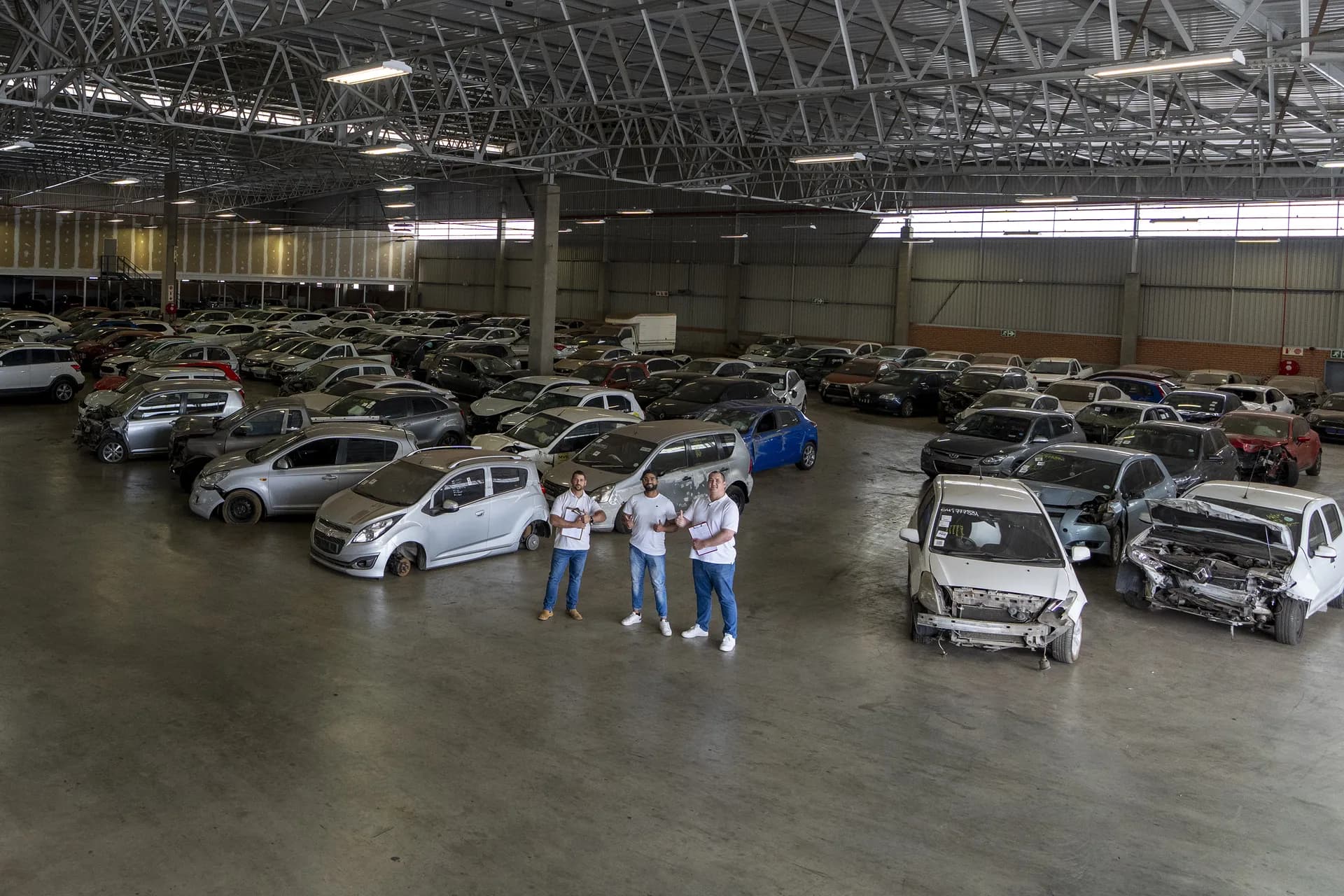
Where to Look
Use marketplaces, salvage auctions and local scrap price lists together.
Estimate Wisely
Combine roadworthy market value with salvage data for a realistic range.
Practical Steps
Document condition, compare offers, and confirm towing and paperwork support.
Overview
When you’re researching scrap vehicle values online, the goal is to build a realistic expectation of what a damaged, non-running or written-off car might be worth as salvage. This guide explains reliable online resources, how to interpret the numbers, and what to consider in the South African market. Use these resources together with a professional valuation or an offer from a buyer such as our homepage for a clearer picture.
Primary online resources to check
- Classified and used-car marketplaces (price ranges for similar models).
- Salvage and scrap metal price indexes (local scrap yard pricing).
- Insurance and salvage auction sites (historical sold prices for written-off cars).
- Dealer part-out valuations and specialist forums (demand for specific parts).
- Official vehicle registration/transfer portals for paperwork guidance.
How to use each source effectively
Market listings (e.g., used-car sites) show what whole vehicles sell for in various conditions. Salvage auctions and scrap yard price lists reveal what damaged cars and metal are fetching in the current market. Combine both: estimate the vehicle's average market value as if roadworthy, then use salvage data to estimate the likely recovery if sold for parts or scrap.
Quick note: Online estimates vary. Treat figures as directional and use them to inform decisions like repair vs sell. For a tailored cash offer and help with paperwork or towing, see our explanation of the process on the About / How it works page.
When to sell vs repair (using online tools)
Online resources help you weigh repair costs against retained value. If estimated repair costs approach or exceed the vehicle’s post-repair market value, selling for salvage is often the more practical choice. Use the tables below to compare typical scenarios; numbers are illustrative ranges and should be checked against live quotes.
| Repair cost (estimate) | Estimated value retained (approx.) | When to consider selling |
|---|---|---|
| R5,000 - R15,000 | 70%-95% of market value | Repair likely viable for newer/low-mileage cars |
| R15,000 - R40,000 | 40%-70% of market value | Compare to salvage offers; selling may be better for older vehicles |
| R40,000+ | Under 40% of market value | Often better to sell for salvage or parts |
These percentages are estimates for South Africa and will vary by make, model, age and regional demand (Cape Town, Johannesburg, Durban markets differ). Always cross-check with live listings and salvage auction results.
Damage types vs typical offer impact
| Damage type | Typical impact on scrap/salvage value |
|---|---|
| Minor structural/cosmetic | Lower impact; parts resale possible, higher offers |
| Major structural/airbag deployment | Significant reduction; often classified as written-off |
| Engine/transmission failure | Value depends on parts demand; lower than running equivalent |
| Flood or fire damage | Severe reduction; often sold for parts or scrap metal only |
Check salvage auction archives and local scrap yard price lists for up-to-date indicators of how each damage type affects offers. For practical selling options that include free towing and paperwork handling, review our Sell Damaged Cars guidance.
How the process works - using online data to negotiate
Start with a quick online valuation from used-car sites to get a baseline market price for a comparable roadworthy vehicle. Next, consult salvage auctions and scrap yard prices to estimate how much of that baseline you can realistically recover. When you present these figures to a buyer, you show transparency and improve negotiation outcomes.
Practical steps
- Collect comparable listings on local marketplaces (filter by region: Cape Town, Johannesburg, Durban).
- Search recent salvage auction results for similar models and damage profiles.
- Obtain local scrap metal and parts quotes - many yards publish rate lists online.
- Use buyer offers (obligation-free) to compare actual cash proposals with your estimates.
Legal & paperwork in South Africa
Online resources can help you prepare required documents: proof of ownership, registration papers, and declarations related to insurance write-offs. If the vehicle is under finance, online lender portals and the finance agreement explain your obligations. Many buyers, including services that purchase salvage vehicles, offer to handle deregistration and transfer - confirm this before you accept an offer. For details on our process and paperwork support, see Sell Non-Running Car guidance.
Tips to maximise your offer
- Present clear photos and honest descriptions - online buyers use images to validate condition quickly.
- Gather service history and receipts; documented maintenance can raise buyer confidence.
- Check multiple online sources so you don’t rely on a single figure - combine marketplace, auction and scrap data.
- Confirm whether the buyer includes free towing and handles deregistration - those inclusions increase net value to you.
What happens after collection
After you accept an offer and the vehicle is collected, a reputable buyer will complete required paperwork, process deregistration or transfer where applicable, and release payment quickly. Keep digital copies of all transfer documents and bank confirmations. If you used online resources to estimate value, compare your final payout to your earlier estimates to refine future decisions.
Example scenario (illustrative)
A mid-2010 sedan with front-end structural damage may show a roadworthy market value of R80,000 on used-car listings but have salvage auction results indicating recovery of 25%-45% of that figure depending on parts demand. Use both figures to decide whether to repair or sell for salvage; exact outcomes depend on inspection and regional demand.
Final advice: Use multiple online resources, document condition carefully, and verify that any buyer offers include practical support such as free towing and paperwork handling to reduce your out-of-pocket costs.
Sources
- Department of Transport (South Africa) - vehicle registration and transfer guidance
- AutoTrader South Africa - used-car listings and pricing trends
- South African Insurance Association - insurance and write-off context
Note: example figures are illustrative estimates for South Africa and shown in R (Rand). Actual scrap and salvage offers vary by region and condition; always confirm with live quotes and inspection.
Seasoned automotive specialists dedicated to helping you turn your damaged or non-running vehicle into cash fast and hassle-free.
Disclaimer: This content is for educational purposes only. Product availability, pricing, and specifications are subject to change. Always verify current details on the retailer's website before making a purchase. We may earn affiliate commissions from qualifying purchases.
Why sell your damaged car to us?

A Division of Auction Nation, the leading expert in selling damaged cars

Best price for your damaged car

Get a cash offer within 24h

We buy damaged cars in any condition

We buy accident- damaged cars still under finance

Free, no obligation offer on your vehicle
How We Calculate Your Damaged Car’s Value
Wondering how we calculate your car’s value? At Sell Your Damaged Car, we look at: Your car’s real condition, its salvage value, and the current market demand. It’s all about honesty, transparency, and fairness — that’s how we determine your offer.
Frequently Asked Questions
Get answers to common questions about Tips And Advice
Why Choose Sell Your Damaged Car?
Free Towing
Need a tow? We got you
Hassle Free
Get a cash offer within 24h!
Nationwide
Somewhere remote? No problem!
