
Online Car Buyer vs Private Sale When Your Car Has Outstanding Finance - What to Know in South Africa
Compare selling to an online car buyer or a private buyer when your vehicle still has finance. Learn legal steps, lender settlement, paperwork and practical tips for South Africa.
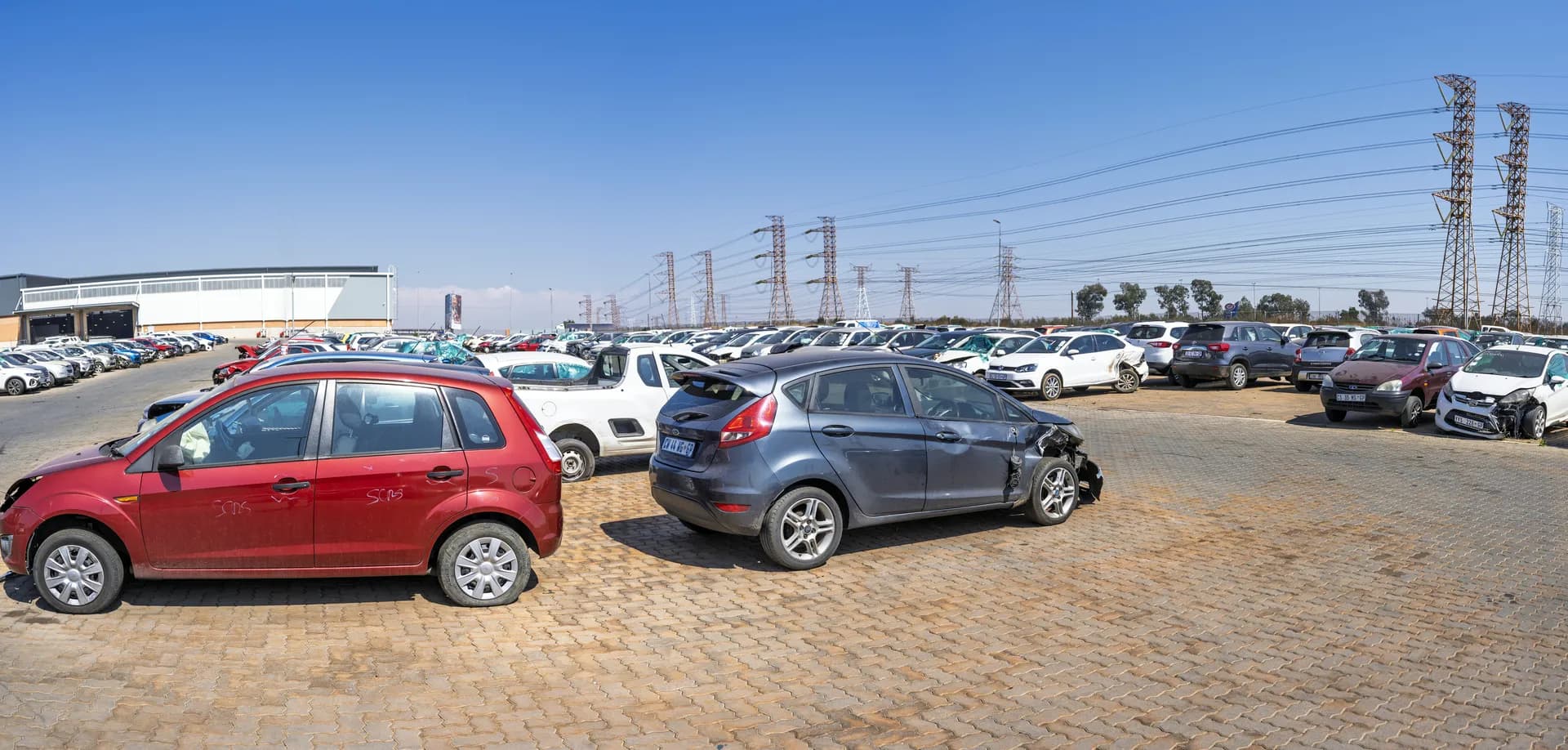
Why Finance Changes the Sale
Outstanding loans require lender settlement and a release before clean transfer.
Online Buyer Advantages
Can coordinate payoff, paperwork and free nationwide collection for less hassle.
Private Sale Trade-offs
May yield flexibility but needs careful lender coordination and extra admin.
Overview: Selling a Car with Outstanding Finance in South Africa
If your vehicle still has an outstanding loan or a residual balance with a bank or finance house, selling it requires extra care. Whether you sell via an online car buyer service or try a private sale, the presence of a lender’s interest (a bond or title lien) affects the legal transfer, settlement steps and timing. This guide explains the differences, common pitfalls, and how the process typically works in South Africa.
Key differences at a glance
- Who handles settlement: Online car buyers often coordinate payoff with the lender; private buyers usually expect you to clear finance first.
- Paperwork & transfer: An outstanding balance usually prevents immediate clear title transfer until the lender releases the vehicle.
- Timing and risk: Private sale can be slower and riskier if the seller and buyer don’t correctly manage settlement and registration steps.
Why this matters for South African sellers
South African registration systems and lender practices mean the bank or finance provider typically needs proof of settlement before deregistration or a free title can be issued. Mismanaging a sale while finance remains can expose you to legal or financial liability, potential repossession, or delays transferring ownership to the buyer.
When to choose an online car buyer vs a private sale
Your decision should be based on time, convenience, and the complexity of dealing with a lender. If you prioritise speed and minimal admin, an online buyer that specialises in vehicles with outstanding finance can reduce friction by coordinating payoff and collection. If you expect a higher private-market price and are prepared to manage the lender settlement yourself, a private sale may be appropriate - but it comes with more steps and more risk.
Practical scenario examples (no sale amounts given)
- Private owner with time and experience: Willing to get a settlement figure from their bank, pay off the outstanding balance, obtain the clearance letter, then meet a buyer and transfer ownership.
- Owner who wants a fast, low-administration exit: Prefers an online buyer that offers to handle settlement coordination, paperwork and collection.
Repair cost vs value retained
| Repair cost (estimate) | Typical value retained (est.) | When repair makes sense |
|---|---|---|
| R2,000 - R12,000 | Small improvement - 5-15% uplift | Cosmetic or minor mechanical work that restores marketability |
| R12,000 - R40,000 | Moderate uplift - 10-30% depending on model | Only when the retained value exceeds repair cost and you can clear finance |
| R40,000+ | Often not cost-effective | Usually better to sell as-is, especially with outstanding finance |
These are indicative ranges for South Africa and will vary by make, model, year and local demand. Repair decisions should factor in outstanding finance - paying off a loan plus repair costs can exceed the financial benefit of selling at a higher private price.
For an overview of how an online service handles vehicles in any condition, see our How it works page for details on settlement coordination and collection.
Damage types vs typical offer impact
| Damage type | Impact on offers |
|---|---|
| Minor accident / cosmetic | Small to moderate impact if repairable |
| Major structural / written-off | Significant reduction; often sold for salvage |
| Mechanical non-running | Lower offers due to towing and repair costs |
| Flood or fire damage | High impact; specialist salvage market |
If you want to compare selling a non-running vehicle specifically, our Sell Non-Running Car page has more detail on collection and valuation factors.
How the process works: Online buyer vs private sale
Both routes involve the lender if finance remains, but responsibilities differ.
Online car buyer: typical workflow
- Seller submits vehicle details and indicates outstanding finance.
- The online buyer provides a conditional offer and requests a settlement figure from the seller’s lender or obtains authorisation to request the payoff on the seller’s behalf.
- On acceptance, the buyer coordinates payment: part of the proceeds go directly to the lender to settle the outstanding balance; remaining funds are transferred to the seller. The buyer arranges free towing and handles transfer paperwork and deregistration steps as required.
- Ownership is transferred once the lender issues a release/clearance and transfer documents are completed.
Private sale: common steps and risks
- Seller obtains settlement figure from the lender and secures funds to clear the bond, or negotiates a buyer-led settlement where the buyer pays the lender directly at transfer.
- Without a clearance letter, the transfer office may refuse to unregister the bond - buyers will often insist on proof of settlement before completing payment.
- Private sale exposes both parties to fraud risk if settlement instructions aren’t verified; partial payments or informal agreements can leave you liable if the lender still holds rights to the vehicle.
Practical tip: Always obtain a formal settlement figure and a written clearance instruction from your lender. If a buyer will settle the loan on your behalf, confirm the lender’s preferred payment route and get a receipt and release document before handing over keys.
Legal & paperwork in South Africa
Lenders lodge a record of their security interest; until the account is settled and the lender releases that interest, you cannot obtain a free-and-clear title. The transfer process often requires a clearance letter, the completed Application for Registration or Deregistration forms, ID copies and previous registration documents. Online buyers that operate nationwide can streamline these steps and arrange collection across Johannesburg, Cape Town, Durban and smaller centres.
For more on selling damaged vehicles where paperwork is handled end-to-end, see our Sell Damaged Cars page which explains collection, deregistration and payment sequencing in practice.
Tips to maximise your outcome and reduce risk
- Get a formal settlement figure from your finance provider before negotiating with buyers.
- Ask for written confirmation of settlement method and obtain a signed receipt from the lender upon payoff.
- Use secure payment methods and avoid transferring the vehicle before the lender issues a release.
- If you’re unsure, consider an online buyer that coordinates settlement, paperwork and free nationwide towing - this reduces logistical burden and exposure to buyer-side errors.
What happens after collection
After collection by an online buyer, the service will usually confirm that the lender has been paid (or that settlement instructions are in place), submit transfer documents to the relevant registration office, and arrange for the lender’s release. Payment to you is typically arranged once proof of lender settlement and transfer administration are completed. Timelines vary by lender and local registration office, so expect a short administrative period after collection.
If you choose a private buyer, ensure the payment and settlement steps are documented and that both parties are present at the transfer office or use a verified conveyancer or agent to complete the transaction securely.
Final considerations
Selling a vehicle with outstanding finance requires confirming the lender’s process and ensuring funds flow correctly to remove the lender’s interest. Online buyers experienced with financed vehicles can simplify the sale by coordinating payoff, handling paperwork and arranging collection nationwide, but private sales remain an option when you can manage lender settlement securely.
If you want a concise explanation of our overall process for selling cars in any condition and how we handle administration, our homepage explains the typical steps from valuation to collection.
Sources
Seasoned automotive specialists dedicated to helping you turn your damaged or non-running vehicle into cash fast and hassle-free.
Disclaimer: This content is for educational purposes only. Product availability, pricing, and specifications are subject to change. Always verify current details on the retailer's website before making a purchase. We may earn affiliate commissions from qualifying purchases.
Why sell your damaged car to us?

A Division of Auction Nation, the leading expert in selling damaged cars

Best price for your damaged car

Get a cash offer within 24h

We buy damaged cars in any condition

We buy accident- damaged cars still under finance

Free, no obligation offer on your vehicle
How We Calculate Your Damaged Car’s Value
Wondering how we calculate your car’s value? At Sell Your Damaged Car, we look at: Your car’s real condition, its salvage value, and the current market demand. It’s all about honesty, transparency, and fairness — that’s how we determine your offer.
Frequently Asked Questions
Get answers to common questions about Comparison And Alternatives
Why Choose Sell Your Damaged Car?
Free Towing
Need a tow? We got you
Hassle Free
Get a cash offer within 24h!
Nationwide
Somewhere remote? No problem!
