
Selling a Non-Running Storm-Damaged Car in South Africa - FAQ and Practical Guide
Answers for South African owners of non-running, storm-damaged cars - paperwork, valuation expectations, repair vs sell comparisons, and practical checklist.
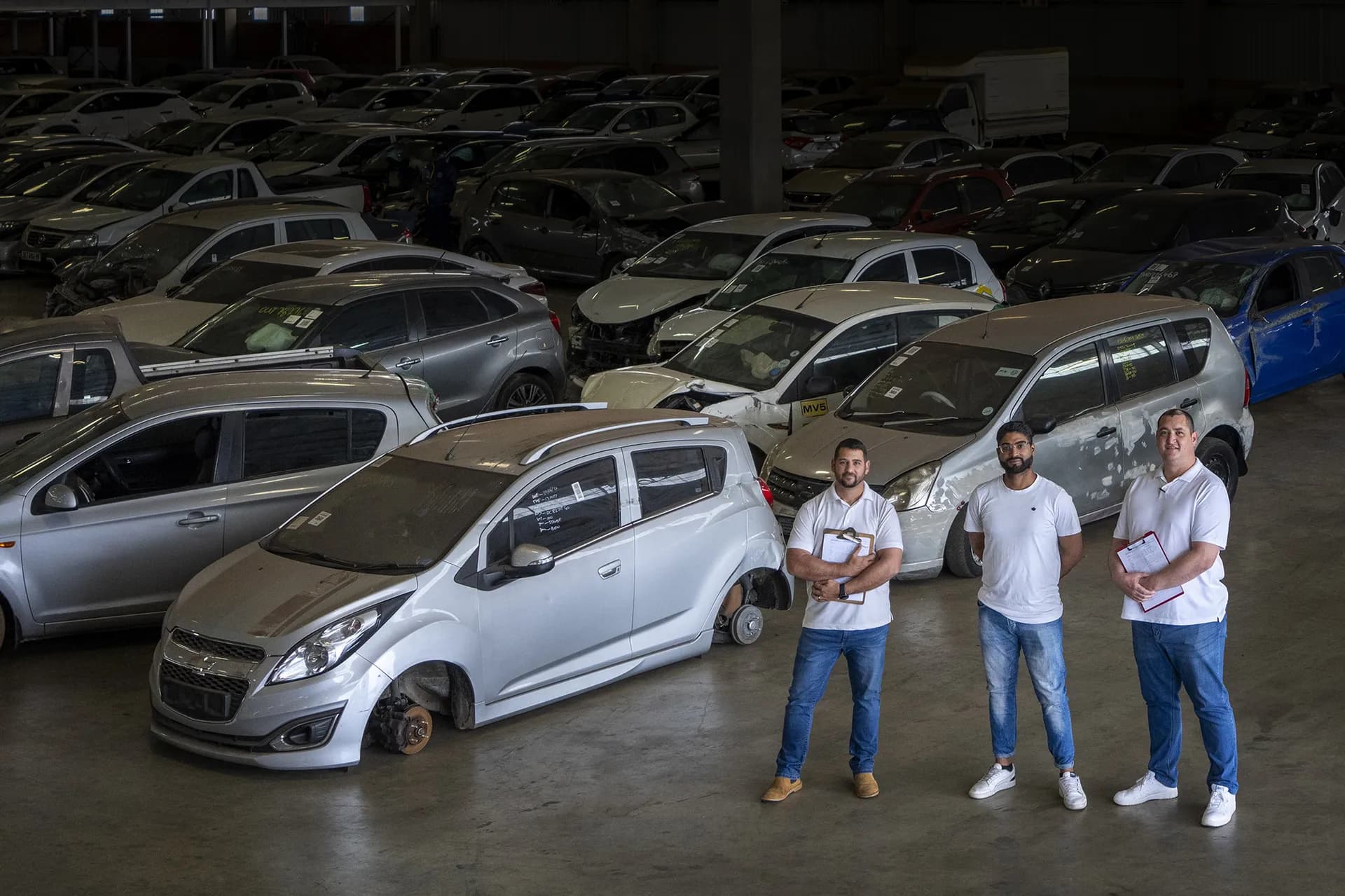
Define the Damage
Identify whether issues are cosmetic, electrical, structural or flood-related.
Document & Disclose
Provide clear photos and full honesty to speed up fair valuations.
Check Paperwork
Confirm finance, registration and whether deregistration help is included.
Overview: What counts as a non-running storm-damaged car?
A non-running storm-damaged car is one that will not start or move reliably after storm-related events such as flooding, fallen trees, hail or wind damage. Damage can range from cosmetic (body and glass), to mechanical (engine or electrical), to structural (frame damage or prolonged water ingress). Selling a non-running storm-damaged car requires different considerations than a routine private sale, and this FAQ walks through the most common questions South African owners face.
Who typically buys storm-damaged non-runners?
Buyers include salvage dealers, dismantlers, panel-beat shops, insurers (for total-loss settlements), and specialist buyers who handle paperwork and recovery. Specialist services operate nationwide and can help with towing and deregistration. For more on selling non-running vehicles, see this resource: Sell Non-Running Car.
When should I sell instead of repair?
Deciding to sell rather than repair depends on repair cost, vehicle market value, safety and timing. If estimated repairs approach or exceed the vehicle’s current retail or trade value, or the car has extensive structural or electrical damage from flooding, selling is often the more pragmatic option. Below is a simple comparison to help illustrate common scenarios in South Africa.
| Scenario | Typical repair cost range (R) | Value retained after repair (estimate) |
|---|---|---|
| Minor hail or glass, non-running due to battery | R2,000 - R15,000 | 70-90% of pre-damage value |
| Flood-damaged electrical systems | R10,000 - R60,000+ | 30-60% of pre-damage value (varies) |
| Severe structural/frame or engine failure | R30,000 - R100,000+ | Often below 40% or considered salvage-only |
Note: Repair cost ranges above are illustrative and will vary by model, year and parts availability in South Africa. Figures are estimated ranges, not offers.
Damage types and how they typically affect offers
| Damage type | Typical impact on offers |
|---|---|
| Superficial bodywork and glass | Minor reduction if car still starts; easier to value. |
| Flood-exposed interior/electrics | Significant reduction; buyers factor corrosion and hidden faults. |
| Frame or structural damage | Large reduction; often quoted as salvage/wreck value only. |
| Engine seized or mechanical failure | Depends on parts demand; non-running reduces offers substantially. |
If you want detailed guidance on storm damage and acceptance criteria, our explanatory pages cover common situations: Sell Damaged Cars and the company process overview here: About / How it works.
How the valuation process typically works
Most specialist buyers use a short online form with photos and basic vehicle details (make, model, year, mileage, brief damage description). For non-running storm-damaged cars, include clear photos of the engine bay, underbody (if safe), interior, and any visible structural damage. Buyers combine visible condition with market demand for parts or salvage value to produce an offer.
What to include in your submission
- Clear photos of all sides, interior and engine bay
- A brief description of why the car is non-running (e.g., flooded, electrical, engine seized)
- Any available service history or keys and documentation
- Location for collection and whether the car is on private property or a public road
Many reputable buyers will respond with an indicative cash offer and explain inclusions such as free towing, paperwork handling and deregistration where applicable. For a full online start, see the site homepage: Sell Your Damaged Car homepage.
Legal & paperwork considerations in South Africa
When you sell a non-running storm-damaged car, transfer of ownership and any deregistration steps are important. If the vehicle has outstanding finance, inform the financier - settlement or transfer is required before or at sale. Specialist buyers often assist with the transfer of ownership and deregistration to keep the process straightforward for sellers across metros such as Johannesburg, Cape Town and Durban.
Common paperwork items
- Vehicle registration document (if available) and ID of owner
- Power of attorney documents if someone else handles the sale
- Proof of settlement or arrangements if the car is under finance
- Written acceptance of any offered valuation to avoid misunderstandings
Tips to maximise your offer for a storm-damaged non-runner
While damaged cars will always be valued below clean-running examples, a few practical steps can improve transparency and the likely offer:
- Provide honest, clear photos and accurate descriptions - honesty speeds up a fair offer.
- List available documentation and keys; these small items reduce buyer risk and can lift offers.
- Be clear about accessibility for towing (e.g., on street or behind a gate) to avoid surprise collection costs.
- If multiple buyers are interested, compare offers on inclusions (free towing, deregistration help) not just headline amounts.
What happens after collection?
After you accept an offer, most specialist services arrange collection at an agreed time, handle transfer paperwork, and release payment according to the agreed terms. In many cases the buyer will deregister the vehicle or advise you on next steps. Expect simple administrative steps on collection day such as signing an acceptance and transfer forms; keep copies for your records.
A practical South Africa example
Example: A 2010 hatchback exposed to flooding that will not start may attract offers based on salvage parts demand rather than repair value. Offers will vary by region - a metropolitan area with high parts demand (e.g., Johannesburg or Cape Town) can produce different outcomes than a remote location. When assessing offers, confirm whether towing is included and whether the buyer will handle deregistration.
Common FAQ quick answers
- Will I be paid before or after collection? Payment terms vary; many services pay promptly after paperwork and collection are completed.
- Do I need to cancel insurance first? Notify your insurer; if you’ve accepted a cash offer and handed the vehicle to a buyer, confirm when to cancel the policy to avoid overlap.
- What if my car is under finance? Disclose this up front. Buyers will usually liaise with the financier to settle outstanding amounts or provide instructions for transfer.
- Can I sell without a logbook? You can, but the absence of registration documents can reduce offers and make transfer more complex; discuss with prospective buyers in advance.
If you want to review the specific process for non-running vehicles on our site, refer to the specialist information here: Sell Non-Running Car and further detail on damaged vehicle types here: Sell Damaged Cars.
Final practical checklist
- Take clear photos (multiple angles)
- List faults honestly and note if the car is insured or financed
- Ask buyers what is included (towing, paperwork, deregistration)
- Keep copies of transfer/deregistration paperwork
Sources
Seasoned automotive specialists dedicated to helping you turn your damaged or non-running vehicle into cash fast and hassle-free.
Disclaimer: This content is for educational purposes only. Product availability, pricing, and specifications are subject to change. Always verify current details on the retailer's website before making a purchase. We may earn affiliate commissions from qualifying purchases.
Why sell your damaged car to us?

A Division of Auction Nation, the leading expert in selling damaged cars

Best price for your damaged car

Get a cash offer within 24h

We buy damaged cars in any condition

We buy accident- damaged cars still under finance

Free, no obligation offer on your vehicle
How We Calculate Your Damaged Car’s Value
Wondering how we calculate your car’s value? At Sell Your Damaged Car, we look at: Your car’s real condition, its salvage value, and the current market demand. It’s all about honesty, transparency, and fairness — that’s how we determine your offer.
Frequently Asked Questions
Get answers to common questions about Selling Guides
Why Choose Sell Your Damaged Car?
Free Towing
Need a tow? We got you
Hassle Free
Get a cash offer within 24h!
Nationwide
Somewhere remote? No problem!
