
Non-Running Car Sale Tips South Africa - How to Sell a Non-Running Vehicle
Practical, South Africa-specific tips to sell a non-running car: prepare photos and documents, compare repair costs, and understand towing, deregistration and payment.
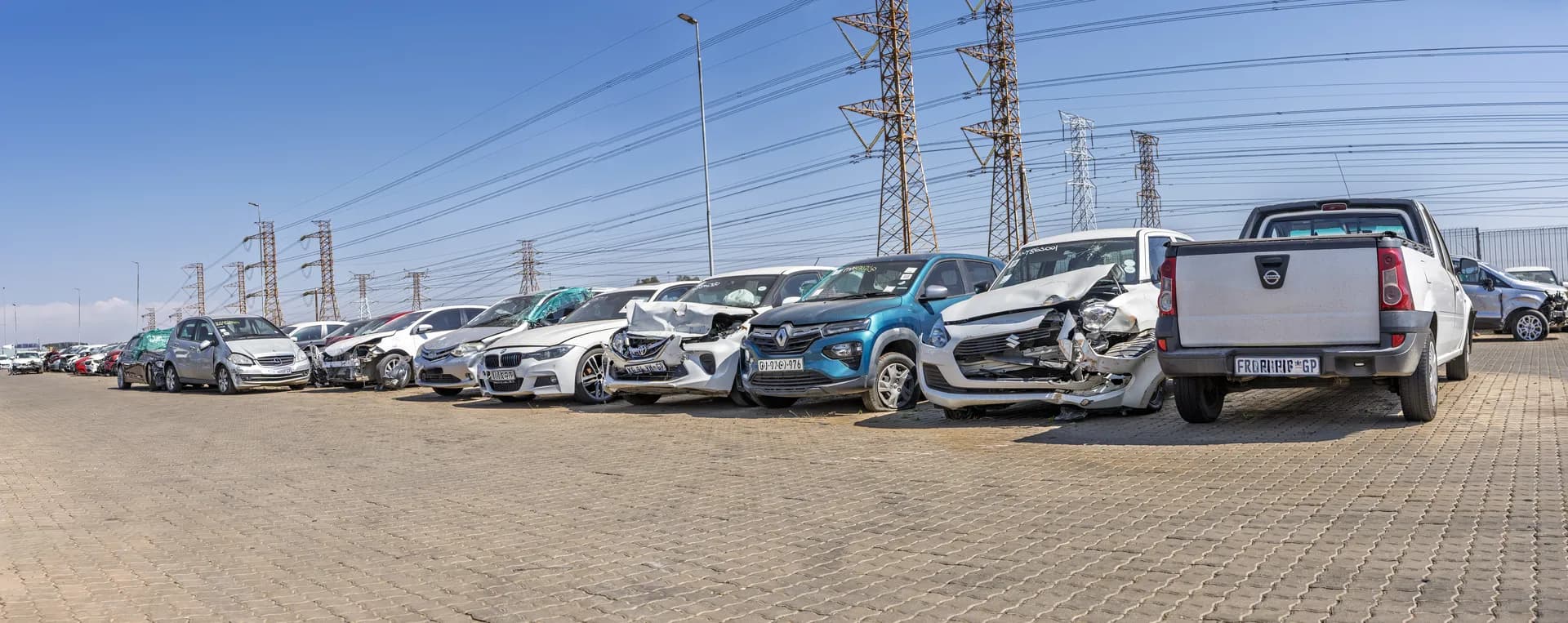
Assess Repair vs Sell
Compare repair estimates to market value before deciding to repair or sell.
Prepare Photos & Docs
Clear images and paperwork speed offers and improve buyer confidence.
Confirm Inclusions
Ensure towing, paperwork and payment terms are clearly stated.
Overview: Selling a non-running car in South Africa
If your vehicle won't start, is written off, or has major mechanical damage, selling it as-is can be faster and more cost-effective than attempting repairs. These non-running car sale tips South Africa readers will find practical cover what buyers look for, how to present the car, and how the market for salvage and non-running vehicles works in local metros like Johannesburg, Cape Town and Durban.
Who buys non-running cars and why it matters
Buyers range from salvage resellers and repair shops to exporters and parts dismantlers. They assess vehicles based on make/model demand, age, remaining usable parts and ease of collection. Understanding what these buyers value helps you prepare your car and improve offers without unnecessary expense.
When to sell vs repair
Use a straightforward cost-versus-value approach: if estimated repair costs significantly exceed the likely market value after repair, selling as non-running is usually the better option. Consider also downtime, legal obligations and the likelihood of further faults appearing during storage.
| Scenario | Typical decision | Notes (SA context) |
|---|---|---|
| Repair estimate > 60% of market value | Sell as non-running | High repair risk; storage costs in metros add up quickly |
| Repair estimate 20-60% of value | Compare repair vs offer | Get multiple quotes and a cash offer to compare |
| Repair estimate < 20% of value | Repair and sell or keep | Minor mechanical work often adds more value than cost |
Repair cost vs value retained (example estimates)
| Type of repair | Typical SA cost (estimate) | Value retained if repaired (estimate) |
|---|---|---|
| Major engine rebuild | R25,000-R60,000 | 10-40% of pre-fault market value |
| Transmission replacement | R15,000-R45,000 | 15-50% of pre-fault market value |
| Electrical repairs | R3,000-R15,000 | 20-70% depending on damage |
Consideration: Figures above are illustrative estimates for South Africa and will vary by city, vehicle age and part availability. Always get local quotes and a cash offer before committing to repairs.
Preparing your non-running car for sale
- Take clear photos showing overall condition, engine bay, odometer and any damage - good photos increase buyer confidence.
- Gather documents: registration papers, proof of ownership, service history and any insurance or accident reports.
- Be honest about the non-running issue: provide symptoms, last-known diagnosis and any parts recently replaced.
- If under finance, inform the buyer and contact your lender; many purchasers can manage settlement or buy subject to settlement.
For a clear explanation of how a professional buyer handles collection and paperwork, see our About page About / How it works and the specific guidance for non-running vehicles on the Sell Non-Running Car page Sell Non-Running Car.
How the sale process typically works
A reliable buyer will usually follow a simple flow: you submit vehicle details and photos, receive an obligation-free cash offer, accept if suitable, then the buyer arranges free towing, completes the paperwork (including deregistration help) and releases payment. Knowing these steps helps you spot fair offers and avoid unnecessary delays.
Damage types vs typical offer impact
| Damage type | How it affects offers | Seller action |
|---|---|---|
| Mechanical failure (engine/transmission) | Reduces offers; parts value may remain | Detail condition and any recent work |
| Accident/body damage | Variable: structural damage lowers offers significantly | Provide photos from multiple angles and reports |
| Flood or fire damage | Strongly reduces offers; many buyers avoid severe cases | Disclose risk and any salvage history |
Tips to maximise your offer
- Provide complete, honest information and quality photos - transparency reduces negotiation friction.
- Bundle paperwork: having registration and ID ready speeds settlement and may improve offers.
- Get multiple offers where practical to understand market value; compare inclusions like free towing and paperwork help.
- If the vehicle is at a repair shop, arrange clear access and explain tow arrangements in advance to avoid delays in metros like Cape Town or Durban.
Legal and paperwork considerations in South Africa
Sellers must transfer ownership correctly. Many professional buyers assist with deregistration and transfer forms to ensure compliance with the applicable traffic regulations. If the vehicle is financed, you must inform the lender - a purchaser can often coordinate settlement or buy subject to lender confirmation, but transparency is essential to avoid disputes.
What happens after collection
- Buyer inspects and completes transfer/deregistration paperwork; confirm exactly which documents they will submit on your behalf.
- Payment is typically released and verified after collection; ensure you have bank details and ID available for verification.
- Ask for a written receipt confirming sale and the state of the vehicle at handover for your records.
For more detailed processes and examples of how a buyer handles non-running cars, see our Sell Damaged Cars page Sell Damaged Cars and return to the site homepage for general service information Sell Your Damaged Car.
Common pitfalls and how to avoid them
- Not checking buyer inclusions: confirm who pays towing, handles deregistration, and when payment is released.
- Accepting an offer without paperwork: get a sale receipt and clear transfer instructions.
- Failing to disclose finance or insurance claims: full disclosure prevents legal issues and payment delays.
Sources
- South African Government - vehicle licensing and registration guidance
- National Credit Regulator - information on vehicles under finance in South Africa
- AA South Africa - motoring and vehicle valuation resources
These non-running car sale tips South Africa readers combine practical examples and local legal considerations. Use multiple offers and confirm inclusions like free towing and paperwork support to make the sale straightforward and low risk.
Seasoned automotive specialists dedicated to helping you turn your damaged or non-running vehicle into cash fast and hassle-free.
Disclaimer: This content is for educational purposes only. Product availability, pricing, and specifications are subject to change. Always verify current details on the retailer's website before making a purchase. We may earn affiliate commissions from qualifying purchases.
Why sell your damaged car to us?

A Division of Auction Nation, the leading expert in selling damaged cars

Best price for your damaged car

Get a cash offer within 24h

We buy damaged cars in any condition

We buy accident- damaged cars still under finance

Free, no obligation offer on your vehicle
How We Calculate Your Damaged Car’s Value
Wondering how we calculate your car’s value? At Sell Your Damaged Car, we look at: Your car’s real condition, its salvage value, and the current market demand. It’s all about honesty, transparency, and fairness — that’s how we determine your offer.
Frequently Asked Questions
Get answers to common questions about Tips And Advice
Why Choose Sell Your Damaged Car?
Free Towing
Need a tow? We got you
Hassle Free
Get a cash offer within 24h!
Nationwide
Somewhere remote? No problem!
