
Myths About Scrapping vs Selling a Damaged Car in South Africa: Get the Facts
Discover the real pros and cons of scrapping vs selling a damaged car in South Africa. Learn common myths, legal facts, and how to make the best choice.
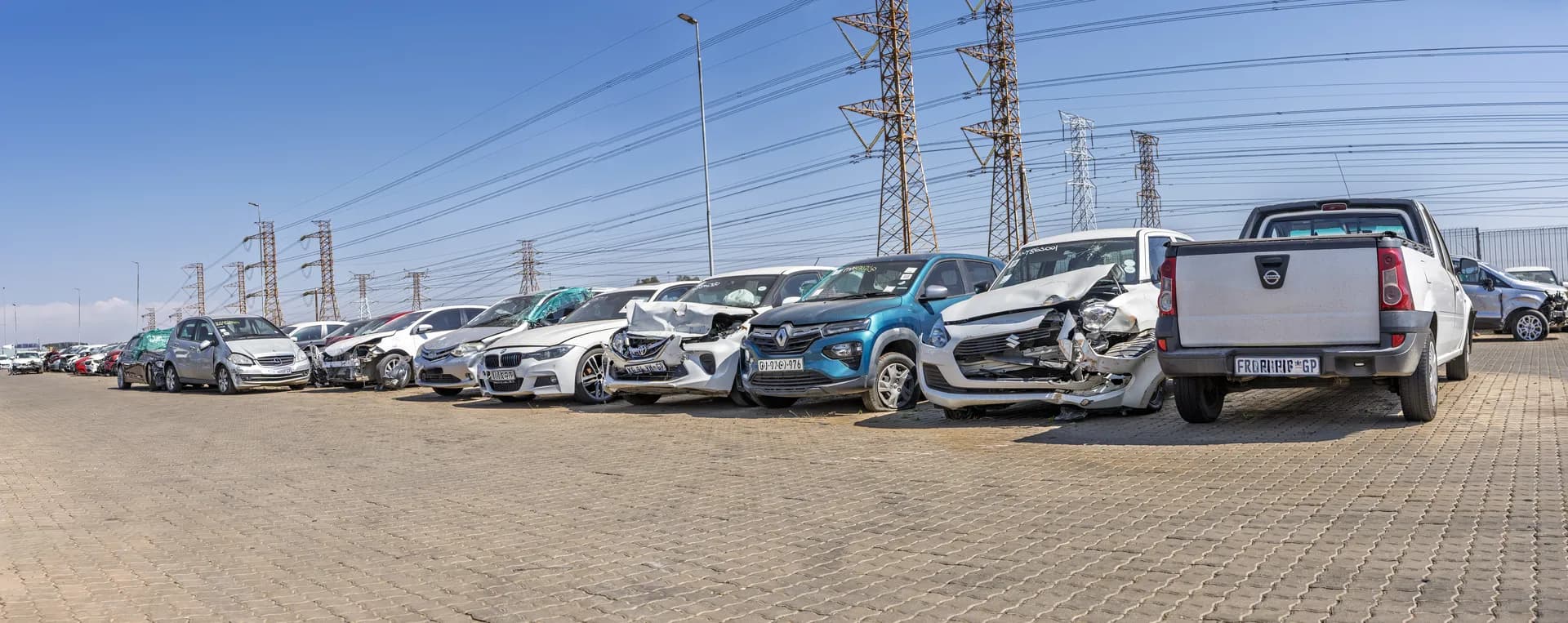
Overview: Scrapping vs Selling a Damaged Car
When you own a damaged, non-runner, or accident-written-off car in South Africa, your options often seem limited: scrap the vehicle or try selling it. There's no shortage of opinions-unfortunately, not all are accurate. We uncover common myths and compare your choices, helping you choose the best strategy for your circumstances.
Top Myths: Scrapping vs Selling
- Myth 1: "Scrapping always pays more than selling."
- Myth 2: "You must strip and deregister the car on your own to avoid problems."
- Myth 3: "Nobody buys non-running or undriveable vehicles in SA."
- Myth 4: "It's safer to scrap because buyers won't accept accident-damaged cars under finance."
- Myth 5: "Selling a damaged car privately takes forever and attracts scams."
Scrapping vs Selling: Key Differences
| Aspect | Scrapping | Selling to Specialist |
|---|---|---|
| Expected Payout | Often minimal, based on scrap metal/parts value (R500-R8,000*) | Competitive cash offer, based on overall salvage value & demand |
| Logistics | You arrange towing (cost: R600+ in metros) | Free nationwide towing included |
| Paperwork | You handle deregistration at the traffic department | Assistance with all paperwork & deregistration |
| Vehicle Condition | Best for cars beyond repair | Any condition accepted (crash, mechanical, flood, non-running) |
*Estimates based on 2023 South African market rates; actual values can vary by model, weight, and scrap demand.
When to Consider Selling vs Scrapping?
- If your car has major accident, fire, or flood damage but some parts remain valuable, a specialist buyer usually beats scrap value.
- Non-runners, old bakkies, or fleet vehicles: buyers like Sell Your Damaged Car buy outright, regardless of repair cost.
- If you want a speedy, hands-off experience-especially for paperwork (including deregistration)-selling is easier in most cases.
Scrapping is best reserved for vehicles irreparably damaged, with all reusable parts already removed, and a clear certificate of deregistration in hand.
Debunking the Myths in Practice
Myth 1: Scrapping Always Pays More
Buyers calculate their offers based on your vehicle's potential in the salvage market-for parts and recycling. Especially for newer, popular makes, cash offers typically exceed basic scrap values, since the entire vehicle can be resold, parted out, or repaired.
Myth 2: Paperwork is Your Problem
Many assume only the owner can deregister or complete transfer forms. Not true-regulated buyers provide a deregistration letter and handle eNaTIS paperwork with you, even if you've lost the original license disc or roadworthy.
Myth 3: Non-Running or Written-Off Cars Can't Be Sold
Licensed car buyers with salvage permits can buy any car, in any condition-from written-off sedans to non-running bakkies and business fleet vehicles. Specialist services in South Africa have the expertise (and nationwide reach) to safely remove, pay for, and process these vehicles.
Myth 4: Under-Finance Cars Must Be Scrapped
If your car is still under finance or retained by your insurer, you cannot unilaterally scrap it. Some specialist buyers can help settle the balance-provided you disclose the finance status. Never leave a financed car at a scrap yard without fully closing the finance agreement and completing legal paperwork.
Myth 5: Private Sale Is Safer
Attempting to sell a damaged or non-running vehicle privately often means weeks of calls, price-haggling, unreliable buyers and arranging towing at your own risk. Non-running buyers cut out scams and reduce admin by verifying sales and handling payment securely.
Damage Type vs Offer Impact (SA Market)
| Damage Type | Typical Offer Impact | Notes (SA Context) |
|---|---|---|
| Accident Damage | Moderate to High reduction | If airbags and major panels deployed, salvage value increases vs pure scrap. |
| Flood/Fire Damage | High reduction; some parts salvageable | Engine/electrical parts often affected, but bodywork and wheels may retain value. |
| Mechanical Failure | Moderate reduction | Popular models often worth more for spares than scrap. |
| Non-Running/Old | Low to Moderate | Market depends on mileage, body, and demand for parts. |
Final Takeaway: Weighing Your Options
Scrapping might be right if your car is completely wrecked and beyond all resale. For most damaged vehicles-especially with usable components or those non-running due to a single fault-selling to a specialist saves time, removes admin, ensures legal compliance, and often results in a higher payout with free South Africa-wide collection and deregistration help.
Sources
Seasoned automotive specialists dedicated to helping you turn your damaged or non-running vehicle into cash fast and hassle-free.
Disclaimer: This content is for educational purposes only. Product availability, pricing, and specifications are subject to change. Always verify current details on the retailer's website before making a purchase. We may earn affiliate commissions from qualifying purchases.
Why sell your damaged car to us?

A Division of Auction Nation, the leading expert in selling damaged cars

Best price for your damaged car

Get a cash offer within 24h

We buy damaged cars in any condition

We buy accident- damaged cars still under finance

Free, no obligation offer on your vehicle
How We Calculate Your Damaged Car’s Value
Wondering how we calculate your car’s value? At Sell Your Damaged Car, we look at: Your car’s real condition, its salvage value, and the current market demand. It’s all about honesty, transparency, and fairness — that’s how we determine your offer.
Frequently Asked Questions
Get answers to common questions about Comparison And Alternatives
Why Choose Sell Your Damaged Car?
Free Towing
Need a tow? We got you
Hassle Free
Get a cash offer within 24h!
Nationwide
Somewhere remote? No problem!
