
Mistakes to Avoid When Selling a Damaged Car in South Africa
Learn the common mistakes to avoid when selling a damaged, non-running or written-off car in South Africa, plus legal steps, process tips and a handy checklist.
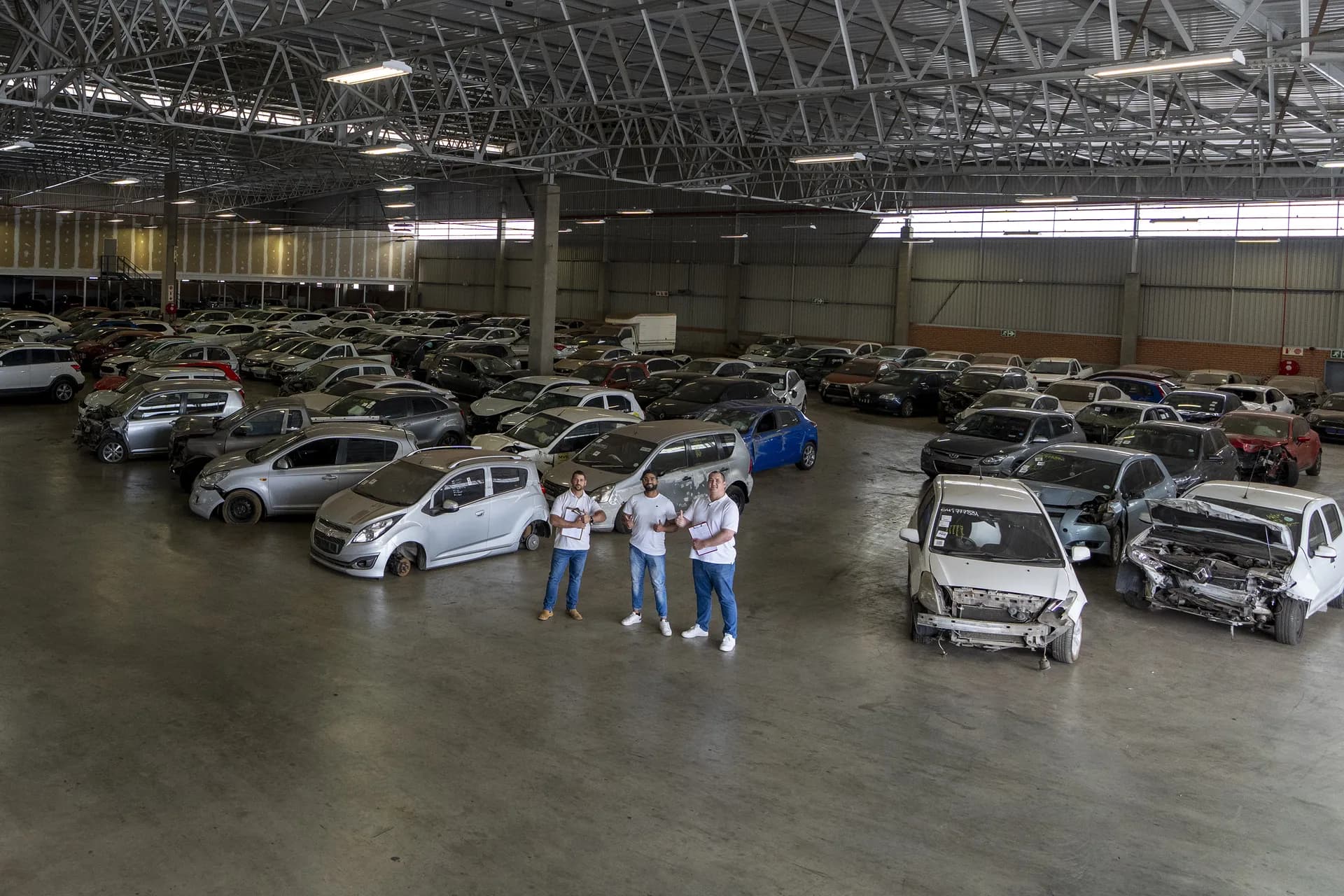
Disclose All Damage
Transparency speeds the sale and reduces post-sale disputes.
Check Finance & Paperwork
Resolve bonds and complete transfer or deregistration correctly.
Document & Verify
Clear photos, written offers and verified payments protect you.
Overview: Why avoiding these mistakes matters
Selling a damaged car can be faster and less costly than expensive repairs, but common errors reduce offers, slow the sale and create legal headaches. This guide explains what to avoid, how the process typically works in South Africa, and where simple actions can protect your time and wallet. The primary keyword "mistakes to avoid when selling a damaged car" is woven throughout to help you find the most relevant advice.
Top mistakes owners make
- Failing to disclose material damage or accident history.
- Trying to sell without basic documentation or clear photos.
- Assuming repair always increases net value.
- Using unverified buyers or accepting cash without paperwork.
- Not checking the vehicle's finance status before sale.
Quick note: In South Africa, proper paperwork and transparent disclosure protect both seller and buyer. Many problems arise from rushed or incomplete transactions - take the time to follow a clear process.
When to sell vs repair
Deciding whether to repair or sell depends on repair cost, remaining market value, insurance position and personal circumstances. Repairs that exceed a significant portion of a vehicle's market value often do not offer a positive return. Consider also time, safety and the risk of discovering hidden faults during repairs.
Repair cost vs value retained
| Scenario | Typical repair cost range (R) | Estimated value retained |
|---|---|---|
| Minor cosmetic damage | R2,000 - R10,000 | Moderate improvement |
| Structural/airbag repairs | R20,000 - R80,000+ | Limited; market may mark as written-off |
| Major mechanical failure | R15,000 - R60,000 | Often uneconomic to repair |
Estimates vary by vehicle age, make and local labour rates; figures above are illustrative ranges for South Africa and should be treated as approximations.
How the selling process should work (and mistakes to avoid)
A predictable process reduces risk: prepare photos and documentation, get an offer, confirm the buyer's credibility, arrange collection and finalise transfer or deregistration. Avoid rushing steps or skipping verification.
Common process mistakes
- Posting vague listings with no photos - buyers discount heavily when uncertainty is high.
- Ignoring a vehicle's finance status - selling a car under finance without settling the debt can lead to legal complications.
- Accepting payment before paperwork is complete - always verify funds and complete transfer or deregistration procedures.
- Using untraceable payment methods or not keeping receipts and signed agreements.
For a clearer view of how a specialist buyer handles these steps, see our About page and the Sell Damaged Cars guidance for many of the standard protections used in the market.
Legal & paperwork in South Africa
Key legal steps include checking and disclosing any outstanding finance, completing the registration transfer or deregistration forms, and keeping a signed sale agreement. If the vehicle is written off, inform your insurer and ensure all required documents are available at handover. If unsure, use a buyer who assists with deregistration and paperwork.
Damage types vs typical offer impact
| Damage type | Typical buyer concern | Offer impact |
|---|---|---|
| Cosmetic dents/scratches | Repair cost and appearance | Small to moderate reduction |
| Structural/frame damage | Safety and insurability | Significant reduction; may be classed as written-off |
| Flood or fire damage | Hidden corrosion/electrical faults | Large reduction; specialist buyers preferred |
Tips to maximise your offer and avoid pitfalls
- Take clear photos showing damage and the vehicle identification number (VIN).
- Gather service history, proof of ownership and any receipts for recent work.
- Be transparent about accidents and mechanical problems - honesty speeds up the sale and reduces disputes.
- Confirm the buyer can provide free towing and assists with paperwork to avoid unexpected costs.
- Ask for written confirmation of any verbal offer and verify bank payments before handing over keys.
If you have a non-running vehicle, specialist pathways exist; for a walkthrough of options for cars that do not start, review the Sell Non-Running Car information. For an overview of how specialist buyers operate nationwide, see our homepage.
What happens after collection
After the vehicle is collected, confirm that paperwork has been completed and that you have proof of transfer or deregistration where applicable. Ensure the agreed payment clears into your bank account; reputable buyers commonly release funds after the vehicle has been collected and the transaction documented.
Practical examples and experience-based advice
Example: A vehicle with a repaired bumper and undisclosed airbag deployment creates large buyer distrust and can lead to renegotiation after inspection. Experience shows transparent disclosure and good photos result in smoother sales and fewer post-sale disputes. Always confirm finance clearance; if the car is bonded, settle or obtain a clearance figure before transfer.
Final checklist to avoid common mistakes
- Photos from multiple angles and damage close-ups.
- Documented service and repair history where available.
- Proof of ID and vehicle ownership, and finance status check.
- Written sale agreement and verified payment method.
- Receipt or confirmation of deregistration/transfer.
Sources
Seasoned automotive specialists dedicated to helping you turn your damaged or non-running vehicle into cash fast and hassle-free.
Disclaimer: This content is for educational purposes only. Product availability, pricing, and specifications are subject to change. Always verify current details on the retailer's website before making a purchase. We may earn affiliate commissions from qualifying purchases.
Why sell your damaged car to us?

A Division of Auction Nation, the leading expert in selling damaged cars

Best price for your damaged car

Get a cash offer within 24h

We buy damaged cars in any condition

We buy accident- damaged cars still under finance

Free, no obligation offer on your vehicle
How We Calculate Your Damaged Car’s Value
Wondering how we calculate your car’s value? At Sell Your Damaged Car, we look at: Your car’s real condition, its salvage value, and the current market demand. It’s all about honesty, transparency, and fairness — that’s how we determine your offer.
Frequently Asked Questions
Get answers to common questions about Tips And Advice
Why Choose Sell Your Damaged Car?
Free Towing
Need a tow? We got you
Hassle Free
Get a cash offer within 24h!
Nationwide
Somewhere remote? No problem!
