
Long-distance-towing-cost-hail-damaged-car-south-africa - What to expect and how to decide
Estimate long-distance towing costs for a hail-damaged car in South Africa, learn when to sell vs repair, and practical steps to minimise expenses.
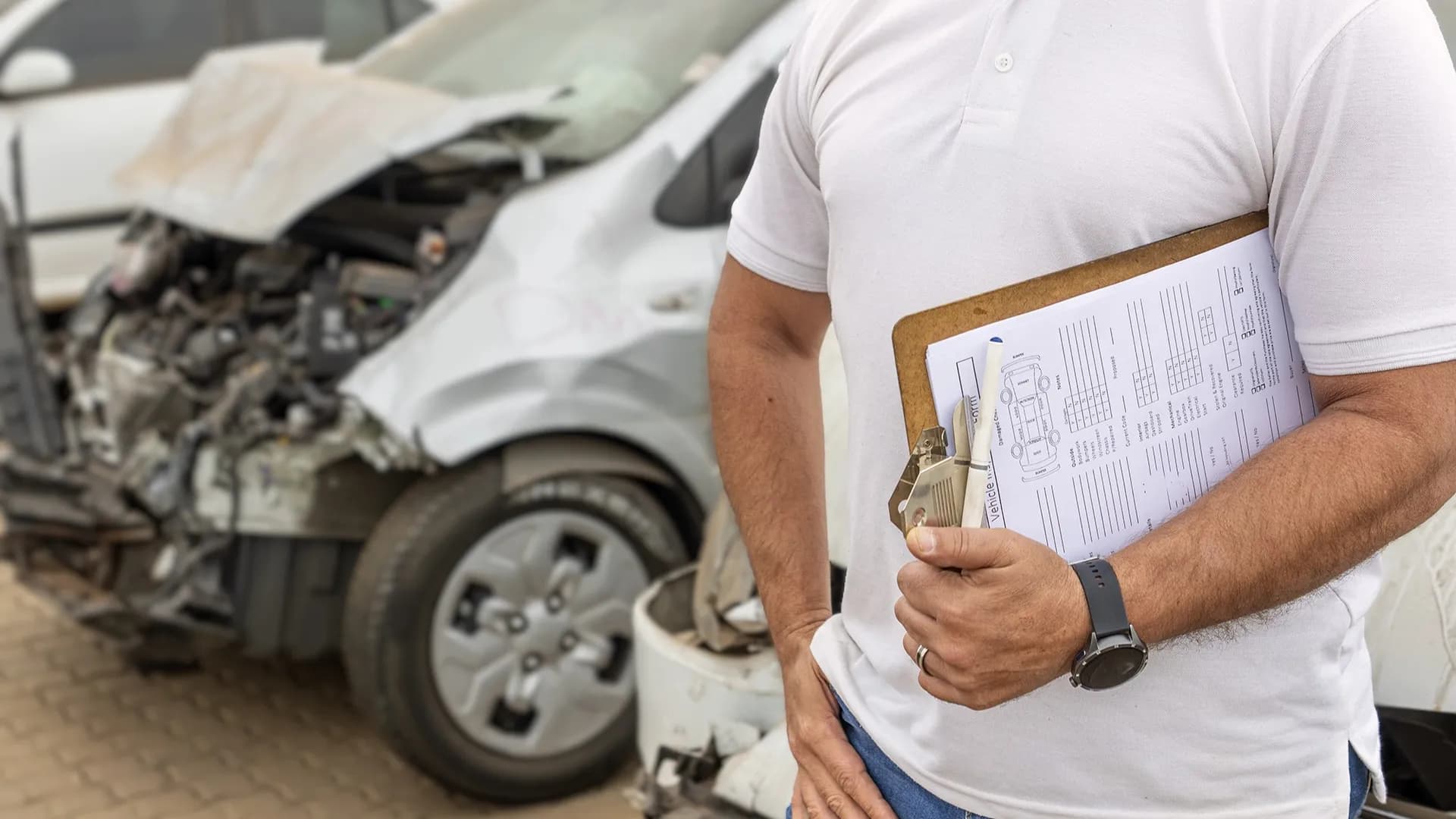
Towing cost drivers
Distance, vehicle condition and special recovery determine long-distance towing costs.
Sell vs repair checklist
Compare repair plus towing against expected retained value before committing.
Avoid towing fees
Specialist buyers offering free nationwide collection can remove towing expense.
Overview: long-distance-towing-cost-hail-damaged-car-south-africa
If a vehicle has been badly hail-damaged, owners often face the choice between paying long-distance towing fees to a specialist repairer or salvage yard, or selling the car as-is. Estimating long-distance towing costs in South Africa depends on distance, vehicle size, access, and whether specialized equipment is needed. This guide explains the cost drivers, when repair or disposal is more appropriate, and practical steps you can take to limit expense and risk.
Key cost drivers
- Distance: inter-city towing (for example, Johannesburg to Cape Town) increases fuel, driver time and logistics charges.
- Vehicle condition: non-running, badly damaged or oversized vehicles often require flatbed trucks and additional handling.
- Access & salvage requirements: remote locations, blocked roads or the need for winching add to the bill.
- Insurance cover and insurer approval: policies often specify approved tow providers and rate limits.
Practical note: many vehicle-buying services offer free nationwide collection for damaged cars, which can remove long-distance towing from the owner’s cost equation. See the company process and national coverage for details at the About / How it works page.
Estimated towing cost ranges (examples)
Below are illustrative cost components and typical ranges for long-distance towing in South Africa. Figures are estimates in R and will vary by provider, region and vehicle specifics.
| Service element | Typical range (estimate, R) | Notes |
|---|---|---|
| Local collection (within metro) | R400 - R1,200 | Short-distance tow; depends on traffic and access. |
| Inter-city flatbed (100-500 km) | R2,000 - R8,000 | Distance, tolls and driver time increase cost. |
| Long haul (500+ km). | R8,000 - R20,000+ | Overnight trips, special handling or escorts add charges. |
| Special handling (winch, heavy recovery) | R800 - R5,000+ | Severely damaged or inaccessible vehicles need extra equipment. |
When to sell vs repair a hail-damaged car
Deciding whether to tow a hail-damaged car long-distance for repair or to sell it as-is comes down to a simple cost-benefit comparison: expected repair cost, residual market value after repair, towing and logistics, and personal tolerance for time and hassle. Use the checklist below to evaluate your situation.
Decision checklist
- Get an initial repair estimate from a reputable panel shop or insurer.
- Estimate towing and transport costs for moving the car to that repairer.
- Compare expected repaired market value (or usability) against total outlay.
- Consider alternatives: local repairs, dismantling, or selling to a specialist buyer that handles collection and paperwork.
Repair cost vs value retained
The table below shows illustrative repair cost bands and typical retained value after repair. These are broad estimates for South Africa and depend on the vehicle’s age, make and market demand.
| Repair cost (estimate, R) | Typical value retained (percent) | Context |
|---|---|---|
| R5,000 - R15,000 | 70% - 90% | Minor hail, mostly panel work and paint; older cars retain less premium. |
| R15,000 - R50,000 | 40% - 75% | Multiple panels, glass replacement, possible mechanical work. |
| R50,000+ | <50% | Severe damage; repair often uneconomic versus alternatives. |
If the combined towing and repair cost approaches or exceeds the likely market value after repair, selling locally or to a specialist buyer who covers collection may be the more pragmatic choice. For more on selling non-running vehicles, see Sell Non-Running Car.
How the process works when you choose to sell a hail-damaged car
If you opt to transfer the car rather than pay long-distance towing and repairs, many buyers and services streamline the process: online valuation, transparent offer, paperwork handling and collection. Using a buyer that offers nationwide collection can remove long-distance towing costs from your decision entirely.
Typical steps handled by specialist buyers
- Upload vehicle details and photos for a fast indicative valuation.
- Receive a clear cash offer based on condition and salvage market demand.
- If accepted, the buyer arranges paperwork, deregistration assistance and free collection.
- Payment is released after collection and verification.
For a neutral explanation of what buyers typically accept and how the process works, read the company overview at the Sell Your Damaged Car homepage and the dedicated explanation on selling damaged vehicles at Sell Damaged Cars.
Legal & paperwork considerations in South Africa
When transferring ownership of a damaged vehicle in South Africa, ensure that deregistration, the change of ownership and settlement of any outstanding finance are handled correctly. Vehicles under finance normally require lender consent before transfer, and failure to clear or record these details can create liability.
Checklist: paperwork to confirm
- Valid ID of seller and buyer, written sale agreement and proof of bank payment.
- Notification to the registering authority and assistance with deregistration where needed.
- Clear confirmation that any finance or lien is settled or that transfer is approved by the lender.
Tips to maximise value and minimise towing cost
- Get multiple towing quotes and ask whether providers include long-distance fuel and tolls in their rate.
- Obtain a repair estimate to compare against combined towing + repair costs; include VAT and paint match costs in estimates.
- Consider selling to a buyer who offers free nationwide collection to avoid long-distance towing charges entirely.
- Clear any finance obligations before collection to speed transfer and avoid delays.
- Document damage with photos and a short description; accurate info reduces surprises at collection.
Damage types vs typical offer impact
Different damage types affect residual market value differently. The table below summarises common hail-related outcomes and how they typically influence offers from buyers or the salvage market.
| Damage type | Typical impact on offer | Notes |
|---|---|---|
| Minor panel dents & surface paint chips | Low to moderate impact | Repairable with PDR or paint; better retained value on newer cars. |
| Extensive roof/bonnet damage and broken glass | Moderate to high impact | Requires panel replacement and glass; costlier to restore. |
| Hidden mechanical or electrical faults after impact | High impact | Buyers discount heavily for unknown mechanical issues. |
What happens after collection
After a vehicle is collected by a buyer or tow provider, standard steps include verification of the vehicle condition, completion of sale paperwork, deregistration assistance if required, and payment. If the vehicle was insured, coordinate with your insurer about salvage handling and insurer-appointed repairers or disposals.
Practical examples (South Africa scenarios)
Example 1: A Cape Town owner with a non-running hail-damaged sedan avoids a R6,000 inter-city tow by selling to a buyer offering free nationwide collection. Example 2: A Durban-based owner whose insurer totals the vehicle should verify whether the insurer or the buyer handles salvage; different paths affect towing costs and liability. These scenarios illustrate why obtaining clear estimates for both towing and repair - and checking buyer collection policies - is essential.
Sources
- AA South Africa - roadside assistance and towing guidance
- South African government - vehicle registration and transfer services
- South African Insurance Association - insights on vehicle insurance and salvage
If long-distance towing is under consideration, collect written towing quotes and repair estimates, confirm who handles deregistration and finance, and weigh whether a buyer with nationwide free collection would be a lower-cost, lower-risk route.
Seasoned automotive specialists dedicated to helping you turn your damaged or non-running vehicle into cash fast and hassle-free.
Disclaimer: This content is for educational purposes only. Product availability, pricing, and specifications are subject to change. Always verify current details on the retailer's website before making a purchase. We may earn affiliate commissions from qualifying purchases.
Why sell your damaged car to us?

A Division of Auction Nation, the leading expert in selling damaged cars

Best price for your damaged car

Get a cash offer within 24h

We buy damaged cars in any condition

We buy accident- damaged cars still under finance

Free, no obligation offer on your vehicle
How We Calculate Your Damaged Car’s Value
Wondering how we calculate your car’s value? At Sell Your Damaged Car, we look at: Your car’s real condition, its salvage value, and the current market demand. It’s all about honesty, transparency, and fairness — that’s how we determine your offer.
Frequently Asked Questions
Get answers to common questions about Tips And Advice
Why Choose Sell Your Damaged Car?
Free Towing
Need a tow? We got you
Hassle Free
Get a cash offer within 24h!
Nationwide
Somewhere remote? No problem!
