
Location-Based Tips for Scrap Vehicle Sales in South Africa
Region-aware advice for selling scrap or damaged vehicles in Johannesburg, Cape Town, Durban and beyond - logistics, paperwork, repair vs sell and tips to improve offers.
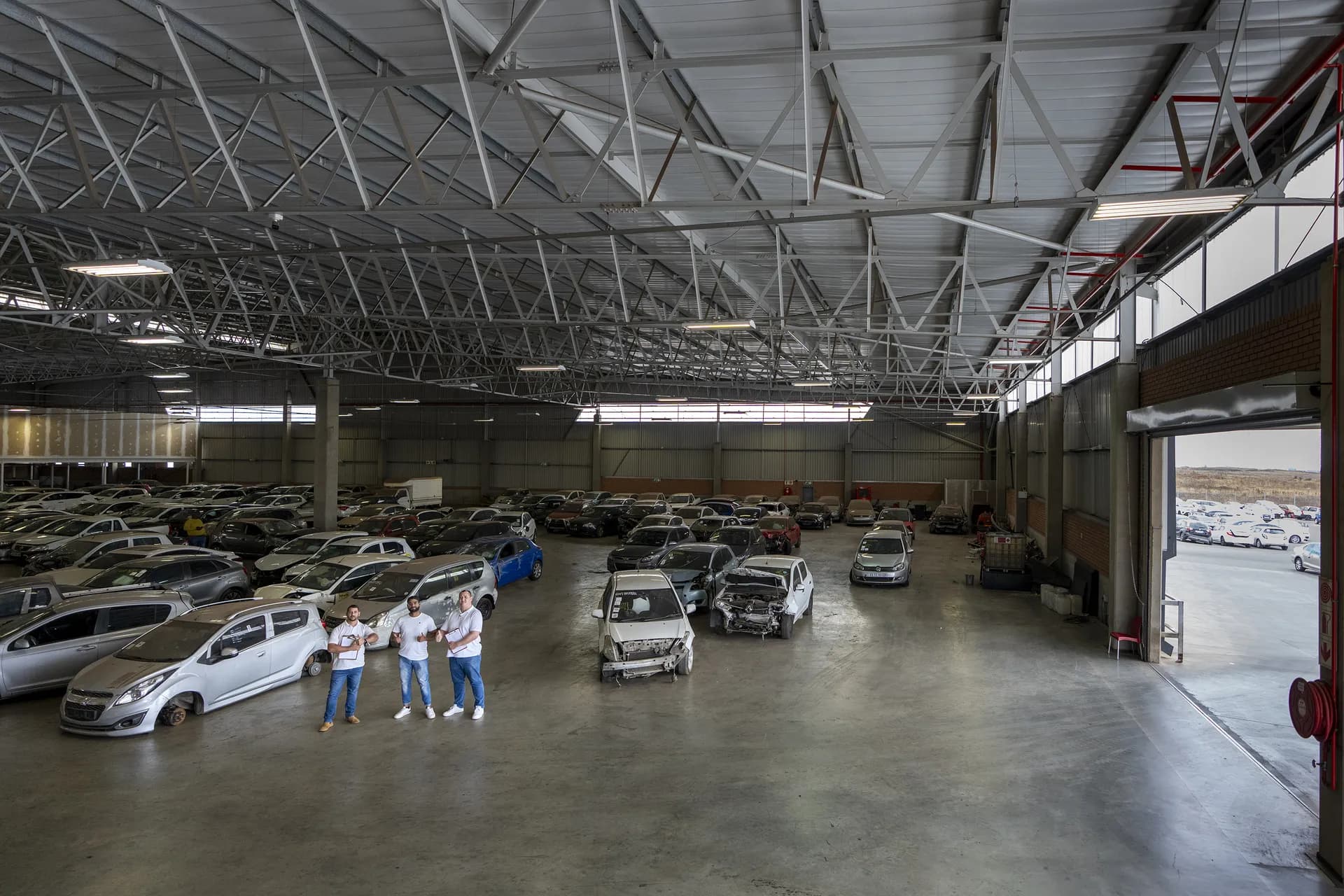
Location Affects Offers
Proximity to salvage yards and parts demand changes recovery costs and valuation.
Prepare for Faster Sales
Clear photos, documents and accurate location notes speed up offers and collection.
Know Paperwork Needs
Declare finance status and get proof of transfer and deregistration after sale.
Overview: Why location matters when selling a scrap vehicle
Selling a scrap, damaged or non-running vehicle in South Africa is not one-size-fits-all. Local demand, scrap yards, recovery costs and regulatory steps vary between metros and rural districts. This guide explains the factors that change by area and gives practical tips tailored to owners in Johannesburg, Cape Town, Durban and surrounding regions. Use local information to get a competitive cash offer, reduce collection friction and complete paperwork with minimum delay.
Key local variables to check first
- Proximity to salvage yards and metal recyclers - closer facilities reduce towing time and may improve offers.
- Demand for parts or specific models in your area - popular vehicles in an area often attract stronger offers.
- Accessibility for recovery vehicles - gated complexes, steep drives or remote locations can add collection costs.
- Local administration practices - some municipal or provincial offices have different processes or waiting times for deregistration paperwork.
When to sell versus repair: a regional view
Deciding whether to repair or sell a damaged vehicle depends on the repair estimate, the car’s resale value in your area and alternative transport costs. In major centres like Johannesburg and Cape Town, parts and workshop access can make some repairs quicker and cheaper than in smaller towns. Conversely, in areas with high demand for used parts, selling as scrap may be the faster, lower-cost option.
Repair cost vs value retained (estimates for South Africa)
| Typical Repair | Estimated Cost (R, range) | Typical Value Retained (estimate) |
|---|---|---|
| Minor bodywork & paint | R1,500 - R8,000 | Small uplift; varies by model and location |
| Front-end accident (airbags deployed) | R15,000 - R60,000 | Often low return vs cost; consider selling |
| Engine repairs / rebuild | R10,000 - R70,000+ | High cost; only viable if local resale value is strong |
These figures are indicative ranges for South Africa and will vary by city, model and parts availability. Use them to compare against local scrap or salvage offers.
How the process works - location-aware steps
A streamlined sale of a scrap vehicle follows the same basic online steps nationwide, but timing and logistics differ by location. The typical flow: upload vehicle details and photos, receive an offer, accept the offer, arrange collection and complete paperwork. In major centres pickups are usually faster; in remote areas allow extra lead time for towing.
Checklist before you submit details
- Take clear photos from multiple angles and show damage close-ups.
- Note the vehicle’s location and any access notes for the tow truck.
- Gather documents: ID, vehicle registration papers, and finance clearance if applicable.
- Confirm whether the vehicle is on finance - this affects transfer steps and timing.
Tip: If you’re in Johannesburg, Cape Town or Durban mention nearby landmarks or main roads when arranging collection - it speeds recovery and avoids extra call-outs.
For more on the practical online process and what we handle for you, see our About / How it works page and our Sell Damaged Cars page for damage-specific guidance.
Legal & paperwork essentials in South Africa
Legal transfer and deregistration differ depending on whether the vehicle is clear of finance and whether it has been issued a written-off classification by an insurer. A buyer that handles paperwork reduces your administrative burden - confirm what the buyer will submit on your behalf, including deregistration and a clearance letter if the vehicle was financed.
Common documentation steps
- Verify identity documentation and ensure the registration papers are available.
- If the vehicle is under finance, obtain a settlement figure and arrange creditor clearance before transfer.
- Request proof of deregistration or transfer once the transaction completes; keep records for tax and personal security.
Damage types vs typical offer impact
| Damage Type | Typical Market Impact | Regional Considerations |
|---|---|---|
| Cosmetic (dents, scratches) | Lower impact if mechanically sound | Urban centres may pay more for restorable cars |
| Structural/airbag deployment | Significant reduction vs clean title | Stronger salvage market in big metros |
| Mechanical (engine/transmission) | High repair cost; parts value may dominate | Availability of parts affects local offers |
Tips to maximise your offer by location
- Price transparency: Provide full, honest damage descriptions and recent photos - buyers in Cape Town and Durban often value well-documented listings.
- Timing: Schedule collections outside peak traffic hours in Johannesburg to avoid cancellation fees and delays.
- Remove non-essential items: Clear personal belongings and loose parts so the vehicle is ready for pickup, especially in multi-unit properties.
- Be flexible on handover location: If your property has tight access, offering a nearby public pickup point in major metros can lower recovery costs.
- Declare finance status upfront: Buyers who can organise creditor settlement faster will often complete the sale sooner.
What happens after collection
After the vehicle is collected the buyer should complete transfer paperwork and, where applicable, deregistration. Expect a written receipt and confirmation of payment processing. Processing times vary by region; metropolitan transactions commonly settle faster than remote-area collections. Keep copies of all documentation for at least 12 months.
Practical examples and regional scenarios
Example scenarios (illustrative): a non-running bakkie in a Johannesburg suburb may attract stronger offers because of nearby breakers and repair yards; a similar vehicle in a remote Eastern Cape town may incur higher towing time and slightly lower local demand. These are illustrative patterns, not guarantees, and offers always depend on the vehicle’s specific condition.
For owners of non-running cars, our Sell Non-Running Car guidance explains what photos and details speed up valuation. For broader context on damaged vehicles and salvage markets see our homepage.
Sources
- Automobile Association (AA) South Africa - advice on selling and vehicle condition
- Road Traffic Management Corporation - road traffic and registration context for South Africa
- Department of Transport South Africa - policy and regulation references
- AA South Africa - practical checklist for vehicle handover and documentation
Notes: All monetary figures and timings cited in this guide are estimates for the South African market and shown in R. Local conditions, vehicle specifics and market shifts will affect actual offers and timings. Always request written confirmation of the buyer’s inclusions (towing, paperwork handling, payment schedule) before accepting an offer.
Seasoned automotive specialists dedicated to helping you turn your damaged or non-running vehicle into cash fast and hassle-free.
Disclaimer: This content is for educational purposes only. Product availability, pricing, and specifications are subject to change. Always verify current details on the retailer's website before making a purchase. We may earn affiliate commissions from qualifying purchases.
Why sell your damaged car to us?

A Division of Auction Nation, the leading expert in selling damaged cars

Best price for your damaged car
Get a cash offer within 24h

We buy damaged cars in any condition

We buy accident- damaged cars still under finance

Free, no obligation offer on your vehicle
How We Calculate Your Damaged Car’s Value
Wondering how we calculate your car’s value? At Sell Your Damaged Car, we look at: Your car’s real condition, its salvage value, and the current market demand. It’s all about honesty, transparency, and fairness — that’s how we determine your offer.
Frequently Asked Questions
Get answers to common questions about LOCATIONS
Why Choose Sell Your Damaged Car?
Free Towing
Need a tow? We got you
Hassle Free
Get a cash offer within 24h!
Nationwide
Somewhere remote? No problem!
