
Local Regulations for Selling Scrap Vehicles in South Africa - What Owners Must Know
Understand South African rules for selling scrap or written-off vehicles: deregistration, finance settlement, municipal bylaws and practical next steps for owners.
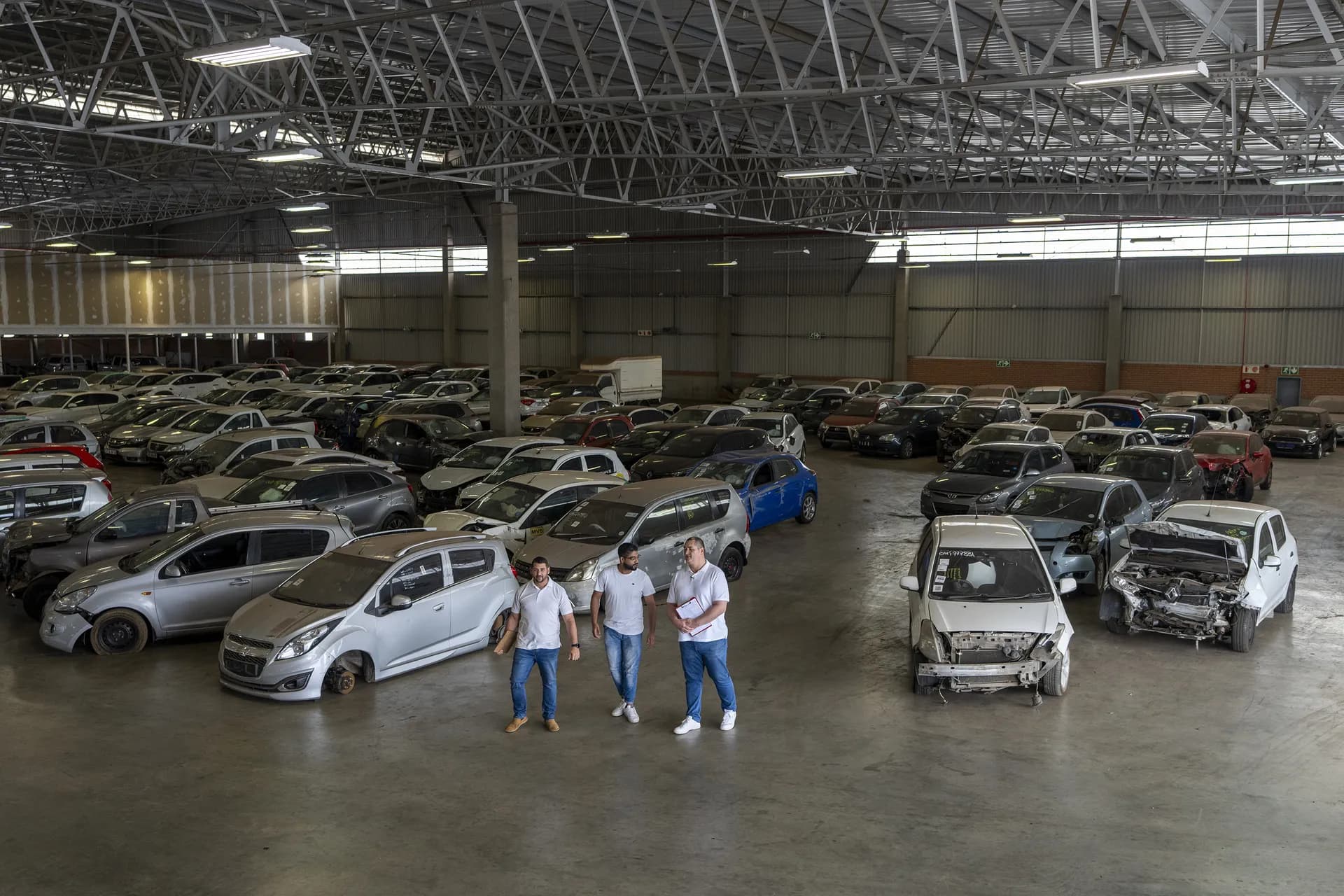
Overview: Selling a Scrap Vehicle in South Africa
If your car is written off, non-running, flood- or fire-damaged, or otherwise deemed scrap, there are specific local regulations and administrative steps you should follow before transferring ownership. Understanding deregistration, outstanding finance, police requirements and the salvage market helps avoid fines, delays or liability. This guide explains the legal basics for South African vehicle owners, with practical examples and clear next steps.
When a Vehicle Is Considered Scrap or Written-Off
A vehicle becomes scrap when repair costs are uneconomic, it is declared a write-off by an insurer, or the vehicle is structurally unsafe. The exact terminology can vary between insurers and assessors, but the practical outcome is the same: the vehicle is unlikely to return to regular road use without major repair and re-certification.
Key implications for sellers
- You must declare the vehicle's condition accurately in any sale or transfer documents.
- If the vehicle is still registered to you, you remain responsible for eNatis records, fines and roadworthy status until transfer or deregistration is complete.
- Vehicles under finance require permission from the lender before sale; transfer without settlement can be unlawful under the National Credit Act.
When to Sell vs Repair (Legal & Practical Factors)
Deciding whether to repair or sell as scrap depends on repair cost, future inspection and registration hurdles, insurance status, and the vehicle's market value. Many owners find selling to a specialist buyer simpler-especially when the buyer handles towing, paperwork and deregistration.
| Factor | When to Repair | When to Sell as Scrap |
|---|---|---|
| Estimated repair cost | If repair < 30-40% of market value and certification possible | If repair exceeds a significant portion of market value or structural damage exists |
| Title & finance | Clear title, no finance outstanding | Outstanding finance requires lender consent or settlement before legal transfer |
| Registration hurdles | Repair + roadworthy inspection achievable | If re-registration is unlikely, scrap sale is simpler |
Note: These are practical guidelines. Specific decisions should consider your vehicle's make, age and the cost of parts in South Africa. Figures like "30-40%" are estimates for decision-making, not guarantees.
How the Legal Transfer & Deregistration Process Works
In South Africa, the registration record is managed via the provincial licensing authorities and recorded centrally. When you sell a scrap vehicle you must transfer ownership or arrange deregistration to remove liability. Many buyers and dealers can handle this administration for you, but you should understand the required steps.
Typical documents required
- Valid ID document (seller and purchaser where applicable)
- Original vehicle registration certificate or disc
- Written sale agreement or signed transfer forms
- Proof of settlement from the finance lender if vehicle was under finance
- Police clearance or a case number if the vehicle was reported stolen or involved in criminal activity
Finance and the National Credit Act
If a vehicle is bonded or financed, you are legally obliged to inform the lender and obtain consent before transfer. Selling a financed vehicle without the lender's involvement can breach the finance agreement and create legal risk. Typical solutions include settling the outstanding balance from sale proceeds or arranging the lender to transfer the bond to the buyer where permitted.
For owners unsure of their balance, request a settlement figure from the lender in writing. Example: if a vehicle debt is R40,000 and a scrap buyer offers R30,000, you must settle the R10,000 shortfall or negotiate with the lender before completing transfer.
For practical steps on selling a non-running vehicle or damaged car, see the selling non-running vehicles for cash in johannesburg and how to get the best offer for your damaged car in south africa pages for examples of how a buyer can handle towing and paperwork on your behalf.
Local Variations & Municipal Rules
Some municipal bylaws cover abandoned or derelict vehicles, environmental disposal and scrap yards. If a vehicle is left on public property you may face fines or impoundment. Always move scrap vehicles off public streets promptly or arrange a licensed collector. In metros like Johannesburg, Cape Town and Durban, municipal impound procedures and fees differ-confirm local requirements with your municipal traffic or licensing office.
Tips to Maximise Compliance and Avoid Common Pitfalls
- Get written agreements: Ensure the sale and any settlement with a finance lender are in writing and signed by both parties.
- Retain proof of handover: Keep records of tow receipts, transfer forms and payment confirmation to avoid later disputes.
- Confirm deregistration: If the buyer agrees to deregister the vehicle, get confirmation when the process is completed.
- Check the buyer's credentials: Deal with licensed scrap dealers or established services that offer nationwide collection and paperwork handling to reduce risk.
| Common Issue | Impact | How to Avoid |
|---|---|---|
| Outstanding fines or eNatis alerts | New owner may inherit liability until transfer recorded | Obtain clearance and ensure transfer is lodged immediately |
| Unsettled finance | Legal disputes; lender may repossess | Ask lender for settlement figure and include in sale negotiations |
| Selling without paperwork | Fraud or ownership disputes | Use proper transfer forms and get receipts for payment and towing |
What Happens After Collection: Paperwork & Certificates
A reputable buyer will complete transfer forms, lodge the necessary paperwork with the licensing authority, and provide you with receipts and confirmation of deregistration where applicable. If the vehicle is scrapped for parts or sold to a recycler, you should receive documentation showing the vehicle's disposal or transfer to a licensed recycling facility.
Example checklist after sale
- Signed sale agreement and proof of payment (bank transfer confirmation)
- Transfer forms lodged with the licensing authority or written confirmation of deregistration
- Tow receipt showing collection date and location
- If applicable, a letter from the finance company confirming settlement
Practical Examples - South African Scenarios
Scenario A: Johannesburg owner with an insurer-written-off Corolla. The insurer declares the vehicle a total loss and pays the insured sum to the policyholder or the funder. The owner sells to a specialist who arranges towing from Roodepoort and completes transfer paperwork with the Gauteng licensing office. Receipt of deregistration is provided within days.
Scenario B: Small fleet operator in Durban with a non-running bakkie under finance. The fleet manager requests a settlement figure from the lender; the buyer pays the lender directly and completes transfer paperwork, avoiding a breach of the finance agreement.
Sources
- Road Traffic Management Corporation (RTMC) - vehicle registration and licensing information
- South African Government information portal - services and legislation including the National Credit Act
- The Automobile Association (AA) South Africa - practical advice on selling and disposal of vehicles
- National Credit Act 34 of 2005 - lender obligations and consumer protection
Seasoned automotive specialists dedicated to helping you turn your damaged or non-running vehicle into cash fast and hassle-free.
Disclaimer: This content is for educational purposes only. Product availability, pricing, and specifications are subject to change. Always verify current details on the retailer's website before making a purchase. We may earn affiliate commissions from qualifying purchases.
Why sell your damaged car to us?

A Division of Auction Nation, the leading expert in selling damaged cars

Best price for your damaged car

Get a cash offer within 24h

We buy damaged cars in any condition

We buy accident- damaged cars still under finance

Free, no obligation offer on your vehicle
How We Calculate Your Damaged Car’s Value
Wondering how we calculate your car’s value? At Sell Your Damaged Car, we look at: Your car’s real condition, its salvage value, and the current market demand. It’s all about honesty, transparency, and fairness — that’s how we determine your offer.
Frequently Asked Questions
Get answers to common questions about Legal And Paperwork
Why Choose Sell Your Damaged Car?
Free Towing
Need a tow? We got you
Hassle Free
Get a cash offer within 24h!
Nationwide
Somewhere remote? No problem!
