
Legal Aspects of Selling Salvaged Cars in Pretoria - A Practical South Africa Guide
Learn legal steps for selling salvaged vehicles in Pretoria: disclosure, deregistration, finance obligations and local tips for a safe, compliant sale.
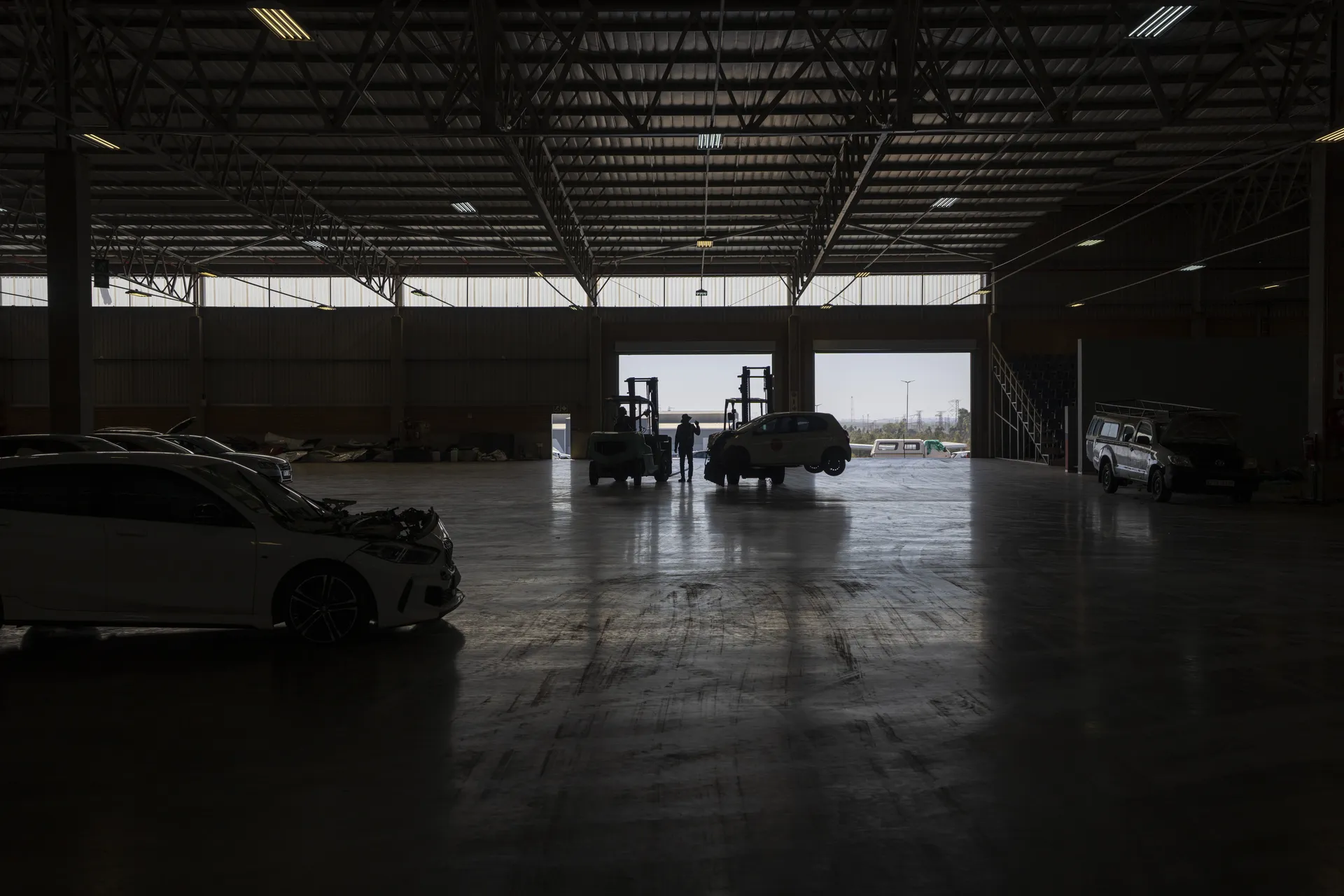
Disclosure & Documentation
Be transparent about write-offs, provide insurer or repair records.
Check Finance Status
Confirm settlement with the lender before transfer to avoid liability.
Follow Local Transfer Rules
Obtain deregistration or transfer proof after collection in Pretoria.
Overview: What counts as a salvaged car in Pretoria
A salvaged car is typically a vehicle written off by an insurer, heavily damaged in an accident, flood or fire, or declared uneconomical to repair. In Pretoria, as elsewhere in South Africa, selling such a vehicle triggers specific legal and administrative steps: transparent disclosure to buyers, settling or notifying any outstanding finance, and following registration or deregistration rules. Knowing these legal aspects helps private owners and small fleets reduce risk and speed up the sale.
When to sell versus repair
Deciding whether to sell a salvaged vehicle or repair it depends on repair cost, safety, residual market demand for parts or salvage, and regulatory obligations. Repairs may be sensible for low-cost, insured repairs that restore roadworthiness. If repair estimates are high or the vehicle is written-off, selling to a specialist buyer is usually faster and reduces ongoing costs like storage, towing and insurance.
| Scenario | Likely outcome |
|---|---|
| Minor accident (cosmetic damage) | Repair often viable; retains more value. |
| Major structural, flood or fire damage | Usually better to sell as salvage to specialist buyers. |
| Non-running with high engine or gearbox costs | Sell for parts or salvage; repairs often uneconomic. |
Repair cost vs value retained
| Estimated repair cost (R) | Typical value retained (%) |
|---|---|
| R0 - R15,000 | 70%-95% (depends on parts & labour) |
| R15,000 - R50,000 | 40%-70% (higher risk of reduced resale value) |
| R50,000+ | Often under 40% - consider salvage sale |
Practical note: Repair cost ranges are illustrative and depend on make, model and parts availability in Pretoria. For many locally common models, salvage buyers and breakers still pay reasonably for intact components.
Key legal obligations when selling a salvaged car in Pretoria
Selling salvaged vehicles in Pretoria requires attention to disclosure, title transfer, and finance settlement. Sellers must be honest about the vehicle's condition and history. If the vehicle is under finance, you must inform the lender and typically obtain a settlement figure before transferring ownership. Deregistration or transfer of a write-off is handled through the registration authority; many buyers of salvage vehicles will require deregistration documentation to avoid future liabilities.
For context on how specialist buyers streamline these steps, review our process overview on the About / How it works page. If your vehicle no longer runs and you want a targeted explanation, see the Sell Non-Running Car page for practical steps specific to non-starters.
Disclosure to buyers
- State clearly if the car was written off by an insurer or sustained structural damage.
- Provide available documentation, such as insurer write-off letters, repair estimates, or police dockets where relevant.
- Failure to disclose material defects can expose sellers to legal claims after sale.
How the selling process intersects with Pretoria administrative steps
A clear process reduces legal risk. Typical steps include preparing documentation, checking for outstanding finance, disclosing the vehicle's salvage status, and completing a transfer or deregistration through the local licensing office or via approved electronic channels. Specialist buyers often handle deregistration and transfer paperwork on behalf of the seller to simplify the process.
Vehicles under finance
If the vehicle is financed, the lender holds an interest. You must contact the finance provider for a settlement figure before completing a sale. In many cases a buyer will pay the lender directly to remove the bond and then pay any balance to the seller. Not checking finance status risks legal complications if the lender enforces its security interest post-sale.
Damage types vs typical offer impact
| Damage type | Typical market impact |
|---|---|
| Cosmetic only | Moderate reduction; repairable at reasonable cost |
| Structural/frame damage | Large reduction; often sold for parts or salvage |
| Flood/fire damage | Significant reduction; electrical and corrosion concerns |
| Non-running (mechanical) | Varies widely; depends on engine/gearbox condition |
Practical tips to reduce legal risk and improve outcomes
- Keep and share all available paperwork: service history, insurance correspondence and any repair invoices.
- Obtain a settlement confirmation if the vehicle is under finance.
- Get written acknowledgement of the vehicle's condition from the buyer at sale (a simple signed form documenting known defects).
- Use reputable, traceable payment methods and retain proof of transfer; this supports your legal position if disputes arise.
What happens after the vehicle is collected
After collection, specialist buyers commonly complete deregistration or transfer formalities and may dismantle the car for parts, export it for salvage or repair it where legally permitted. Ensure you receive documentation that the vehicle has been transferred or deregistered to avoid future liability, and retain copies for your records. For details about the specialist service flow in South Africa, our Sell Damaged Cars page outlines typical inclusions like free towing and paperwork handling.
Local considerations specific to Pretoria
Pretoria buyers and licensing offices follow national rules but may have practical local nuances - for example, processing times at certain testing centres, or vehicle removal logistics in metropolitan areas. If your vehicle is in a Pretoria suburb or surrounding region, confirm expected collection windows and documentation handover procedures with the buyer.
Further reading and practical resources
For a general overview of our service and how we handle paperwork nationwide, see the homepage. For procedural background on transfers and licensing, consult official sources listed below.
Sources
- Department of Transport - Republic of South Africa
- Road Traffic Management Corporation (RTMC) - vehicle registration & licensing information
- The Automobile Association (AA) South Africa - guidance on selling vehicles and dealing with damage
- National Credit Regulator - obligations when a vehicle is under finance
Seasoned automotive specialists dedicated to helping you turn your damaged or non-running vehicle into cash fast and hassle-free.
Disclaimer: This content is for educational purposes only. Product availability, pricing, and specifications are subject to change. Always verify current details on the retailer's website before making a purchase. We may earn affiliate commissions from qualifying purchases.
Why sell your damaged car to us?

A Division of Auction Nation, the leading expert in selling damaged cars

Best price for your damaged car

Get a cash offer within 24h

We buy damaged cars in any condition

We buy accident- damaged cars still under finance

Free, no obligation offer on your vehicle
How We Calculate Your Damaged Car’s Value
Wondering how we calculate your car’s value? At Sell Your Damaged Car, we look at: Your car’s real condition, its salvage value, and the current market demand. It’s all about honesty, transparency, and fairness — that’s how we determine your offer.
Frequently Asked Questions
Get answers to common questions about Legal And Paperwork
Why Choose Sell Your Damaged Car?
Free Towing
Need a tow? We got you
Hassle Free
Get a cash offer within 24h!
Nationwide
Somewhere remote? No problem!
