
Legal Aspects of Buying Salvage Cars in South Africa - What Owners Should Know
Understand the legal-aspects-of-buying-salvage-cars-south-africa: transfer rules, finance settlements, disclosure obligations and practical tips for sellers and buyers.
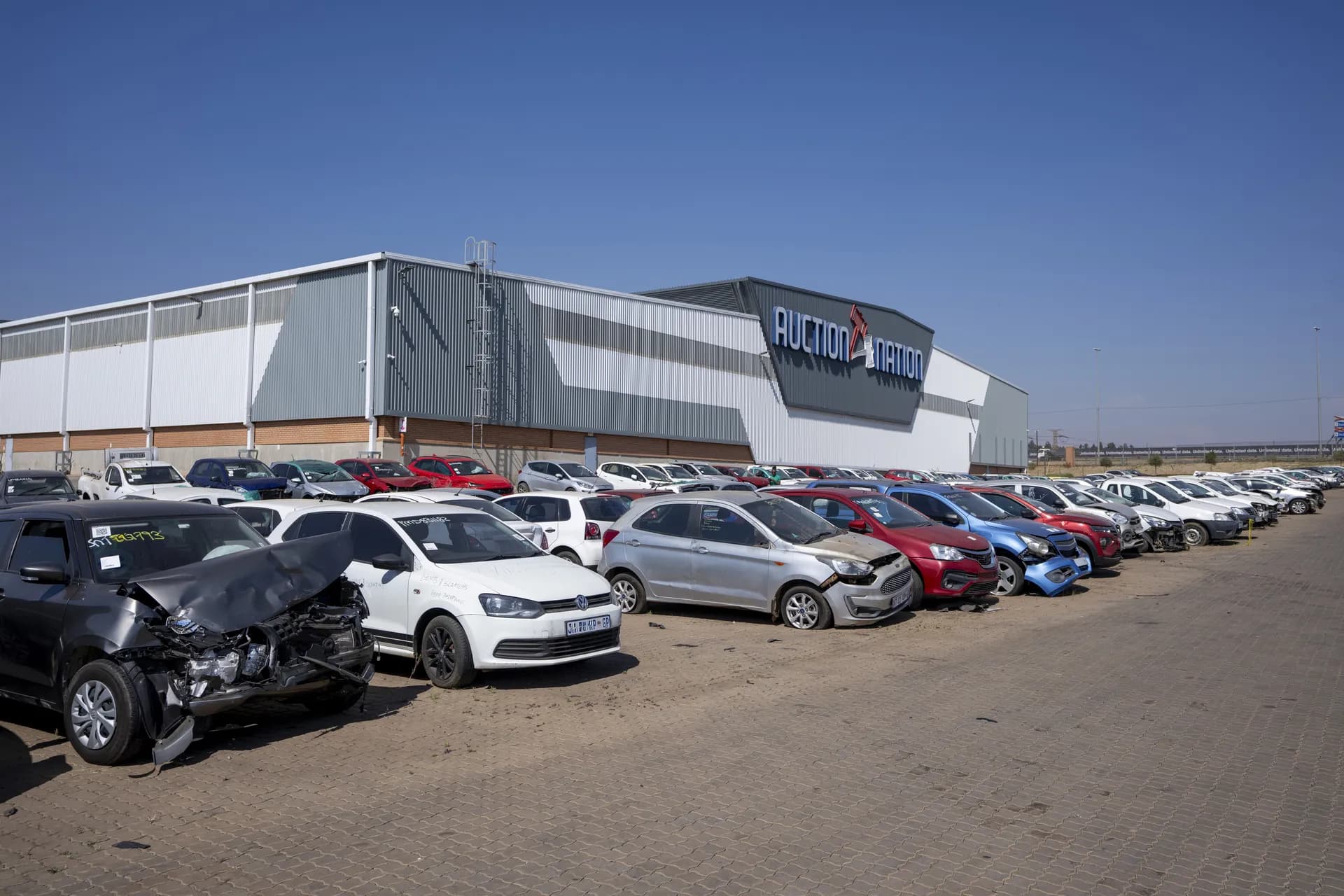
Know the classification
Written-off or salvage status affects registration, insurance and resale.
Settle finance first
Outstanding loans must be cleared before lawful transfer of ownership.
Disclose and document
Full disclosure and assessor reports reduce legal risk for buyers and sellers.
Overview: What "salvage" and "written-off" mean in SA
The phrase legal-aspects-of-buying-salvage-cars-south-africa covers the key rules and risks when dealing with vehicles that insurers, repairers or owners classify as salvage or written-off. In South Africa, a written-off vehicle has sustained damage that an insurer or assessment body deems uneconomical to repair for return to the road. Salvage may be sold for parts, repair by licensed rebuilders, or export. Understanding the legal side helps buyers, sellers and fleet owners make informed choices and avoid unexpected liabilities.
Why it matters for South African owners
Whether you are a private owner in Johannesburg, a small fleet manager in Cape Town, or an individual in Durban, the classification affects registration, insurance, resale, and roadworthiness. If you are considering buying a salvage vehicle, or selling one, being clear about the legal requirements reduces delay and risk.
When to sell vs repair: legal and financial considerations
Deciding whether to repair a damaged vehicle or sell it as salvage is both a commercial and legal decision. Repairing may involve re-registration, inspections and proof of roadworthiness. Selling as salvage often avoids the cost and administrative burdens of repairs, but buyers will want full disclosure. If the vehicle is still under finance, the lender’s consent and settlement of the outstanding balance are legal prerequisites for transfer.
Quick checklist before you decide
- Confirm whether the vehicle is written-off by an insurer or simply damaged.
- Check outstanding finance-settlement is required before lawful transfer.
- Estimate repair costs against the vehicle’s market and salvage value (use R currency for local estimates).
How the process works - selling or buying salvage cars
The practical steps for selling or buying a salvage vehicle in South Africa typically include an assessment, disclosure, settlement of finance (if any), transfer of ownership, and, where relevant, deregistration or re-licensing. For sellers who want a fast, low-administration option, services that buy vehicles in any condition, offer free towing and handle paperwork can simplify the process. Learn more about how a professional service operates on the About Us page and compare options on the Sell Damaged Cars page.
Callout: If the vehicle was declared a total loss by an insurer, full written disclosure is essential for any subsequent sale or transfer. Buyers should request the insurer’s or assessor’s report where possible.
Repair cost vs value retained (example estimates)
| Repair scenario | Typical repair cost (estimate) | Value retained after repair (estimate) |
|---|---|---|
| Minor structural repair | R10,000 - R30,000 | 40%-70% of pre-accident market value |
| Major structural/engine repairs | R40,000 - R150,000+ | Often less than 50% of pre-accident value |
| Flood or fire damage | Highly variable - R20,000 to unrecoverable | Often significantly reduced; insurer classification governs resale |
Damage types vs typical offer impact
| Damage type | Typical effect on offers |
|---|---|
| Cosmetic (panels, lights) | Lower impact; higher resale potential |
| Structural/frame damage | Significant reduction; may be written-off |
| Flood, fire | Major reduction; specialist inspection required |
Legal & paperwork in South Africa
The legal-aspects-of-buying-salvage-cars-south-africa include clear steps for transfer and compliance. Key legal points are: transfer of ownership must be performed at a licensing department or via an authorised eNaTIS process, any existing finance must be settled before transfer, and accurate disclosure of the vehicle’s condition is required to avoid future liability. For sellers, services that handle deregistration and paperwork can reduce errors and delays - see examples of streamlined processes on the homepage.
Common legal requirements
- Complete the prescribed transfer forms and provide ID and licence documents.
- Disclose insurer or assessor reports when they exist; concealment can invalidate subsequent claims.
- Ensure the seller provides a clear statement about outstanding finance; lenders should be contacted to obtain a clearance or settlement figure.
Tips to maximise your offer while staying legally compliant
If you are selling a salvage or written-off vehicle, you can improve offers while meeting legal requirements. Provide full, accurate photos and a written history of the damage. Keep service records and certificate of registration ready. If the car is non-running, disclose that fact and accept that buyers will factor towing and inspection into their offer. For practical selling options that simplify paperwork and towing nationwide, review the Sell Non-Running Car resource.
Practical examples - South African scenarios
Example 1: A private owner in Durban learns their insurer has declared the vehicle a write-off. Settling the insurer’s claim and obtaining the assessor’s report allows the owner to lawfully sell the vehicle as salvage, with full disclosure to buyers. Example 2: A fleet manager in Cape Town with multiple non-running units may prefer selling whole vehicles to a salvage buyer to avoid repair, towing and repeated licensing fees.
What happens after collection
After a sale of a salvage vehicle, typical next steps include transfer or deregistration, payment settlement, and, if relevant, removal from insurance. Buyers will either repair under appropriate licences and inspections or dismantle for parts. If you sell via a professional buyer, confirm who handles transfer, deregistration, and payment timing to protect yourself legally and financially.
Sources
- Road Traffic Management Corporation - official information on vehicle registration and licensing
- South African Government - guidance on vehicle registration and legal requirements
- AA South Africa - advice on buying written-off and salvage vehicles
Note: figures shown here are estimates for South African contexts and use R (Rand). Repair costs and legal procedures vary by province, vehicle type and insurer. When in doubt, seek independent legal or technical inspection before completing a purchase or sale.
Seasoned automotive specialists dedicated to helping you turn your damaged or non-running vehicle into cash fast and hassle-free.
Disclaimer: This content is for educational purposes only. Product availability, pricing, and specifications are subject to change. Always verify current details on the retailer's website before making a purchase. We may earn affiliate commissions from qualifying purchases.
Why sell your damaged car to us?

A Division of Auction Nation, the leading expert in selling damaged cars

Best price for your damaged car

Get a cash offer within 24h

We buy damaged cars in any condition

We buy accident- damaged cars still under finance

Free, no obligation offer on your vehicle
How We Calculate Your Damaged Car’s Value
Wondering how we calculate your car’s value? At Sell Your Damaged Car, we look at: Your car’s real condition, its salvage value, and the current market demand. It’s all about honesty, transparency, and fairness — that’s how we determine your offer.
Frequently Asked Questions
Get answers to common questions about Legal And Paperwork
Why Choose Sell Your Damaged Car?
Free Towing
Need a tow? We got you
Hassle Free
Get a cash offer within 24h!
Nationwide
Somewhere remote? No problem!
