
Is It Worth Selling a Storm-Damaged Car? A Practical South Africa Guide
Decide whether to repair or sell a storm-damaged car in South Africa. Learn damage impacts, paperwork, repair vs value estimates and steps for a smooth sale.
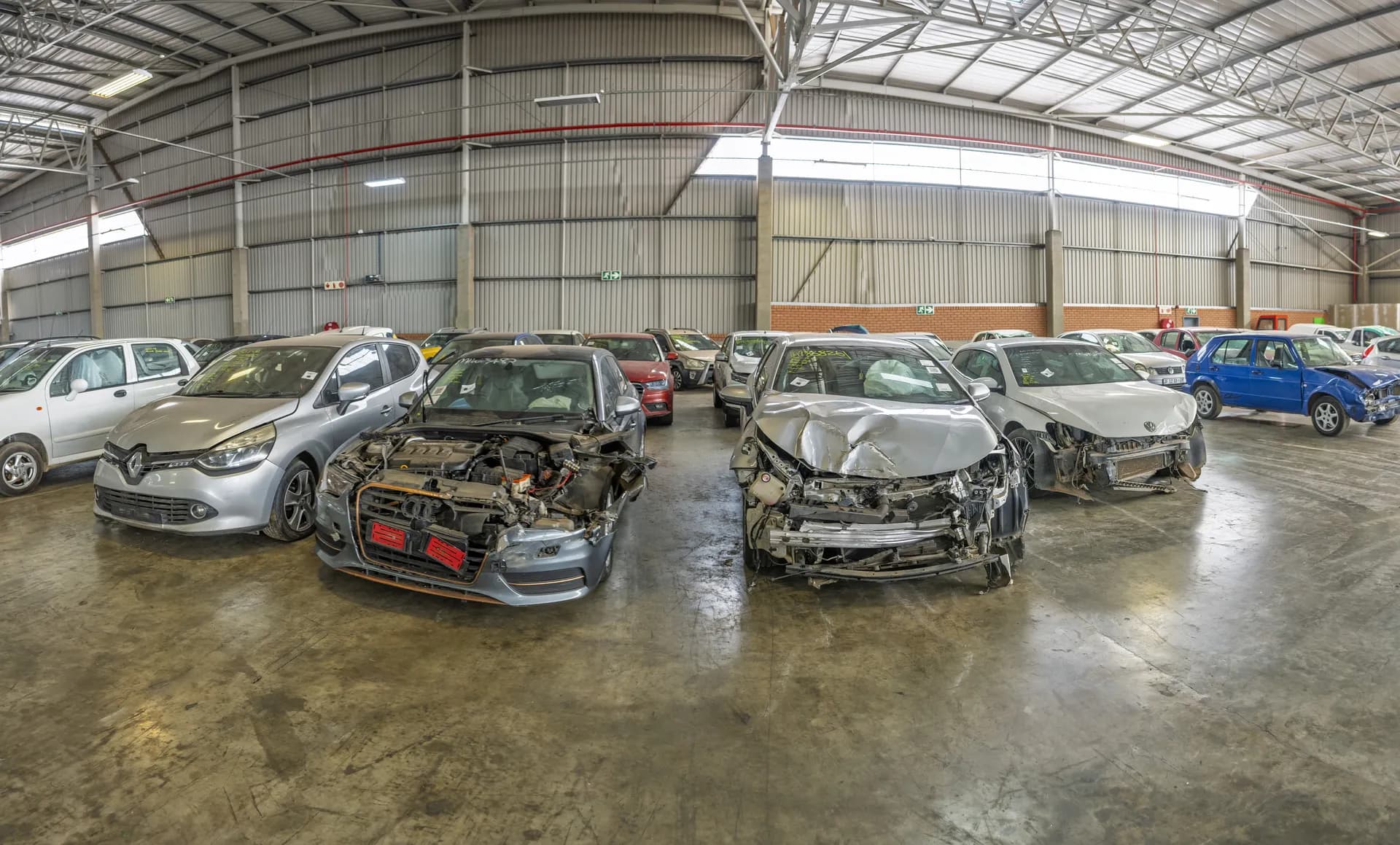
Sell or Repair Decision
Compare repair costs, hidden risks and time to decide the best route.
SA-Specific Steps
Document damage, check finance, and complete transfer with proper paperwork.
Practical Selling Benefits
Selling avoids repair delays, hidden faults and towing headaches.
Overview: What storm damage means for your car
Storm damage ranges from superficial dents and broken glass to flood, roof damage, or electrical faults after water ingress. Whether it is worth selling a storm-damaged car depends on the extent of damage, the vehicle's market value before the event, repair costs in South Africa, and your tolerance for time and risk. This guide helps South African owners - including drivers in Johannesburg, Cape Town, Durban and surrounding areas - evaluate options and explains the practical steps to sell when that makes sense.
When to consider selling vs repairing
Deciding whether it is worth selling a storm-damaged car starts with a simple question: will the repair cost plus hassle exceed the likely benefits of keeping the vehicle? Factors to weigh include repair estimates, likelihood of hidden faults (especially with water/flood damage), insurance status, and how quickly you need cash or a replacement vehicle.
Key decision points
- Repair estimate vs current market value: large repair bills relative to a low market value often favour selling.
- Flood or electrical damage: these often create ongoing issues and can reduce long-term reliability.
- Insurance cover and excess: check your policy before committing to repairs.
- Time and convenience: selling avoids arranging repairs, parts delays and repeated workshops visits.
Repair cost vs value retained (estimates)
| Damage level | Typical repair cost (R, estimate) | Value retained after repair (percentage, estimate) |
|---|---|---|
| Minor dents & glass | R3,000 - R12,000 | 85% - 95% |
| Moderate structural/roof damage | R15,000 - R45,000 | 70% - 85% |
| Severe/flood or extensive electrical | R30,000 - R120,000+ | 40% - 75% |
Notes: These ranges are illustrative for South Africa and will vary by model, age and parts availability. Flood-damaged vehicles frequently carry a higher risk of hidden or progressive faults, which is why many owners decide to sell sooner rather than later.
If you decide selling is a realistic option, learn how the market for damaged vehicles works and what to expect from buyers. For an outline of the kinds of vehicles we buy and the process we follow, see our Sell Damaged Cars page and the company About / How it works overview for more detail on nationwide service and paperwork handling.
Understanding storm-related damage categories
Different types of storm damage affect vehicle value in different ways. Assess the visible damage, but also consider potential unseen issues such as water in wiring looms, contaminated fluids, or rust starting after water exposure.
Damage types vs typical offer impact
| Damage type | Typical impact on buyer offers |
|---|---|
| Superficial (dents, broken trim) | Low to moderate impact |
| Glass / sunroof damage | Moderate impact (replacement costs factored in) |
| Roof / structural damage | High impact (affects safety and resale) |
| Flood / water ingress | Very high impact (buyer caution, long-term faults) |
How the selling process works (practical steps)
For owners who decide selling is the right route, the standard, low-hassle process looks like this:
- Take clear photos showing damage from multiple angles and interior shots if water was involved.
- Upload details and images to a buyer that accepts storm-damaged vehicles; many buyers provide a fast online quote.
- Accept a transparent offer, arrange a collection time and allow the buyer to handle paperwork and towing.
If you want a streamlined option that handles nationwide collection and paperwork, consider our process explained on the Sell Non-Running Car page and our homepage overview at Sell Your Damaged Car.
Legal & paperwork in South Africa
When selling a storm-damaged vehicle in South Africa, typical paperwork considerations include verifying the ID of the seller, providing proof of ownership (registration papers), and completing a change-of-ownership form with the relevant traffic authority or through eNaTIS channels. If the vehicle is under finance, inform the financier and obtain a settlement figure - most buyers will not collect a car until the finance balance is resolved.
Professional buyers often handle deregistration and transfer admin on your behalf, including submitting required documents to the traffic department. This reduces your time and exposure to errors, and is valuable when storm damage complicates the sale.
Tips to maximise the chance of a fair offer
- Document damage clearly with dated photos and accurate descriptions.
- Disclose known issues (especially water/flood history); transparency reduces later disputes.
- Remove personal items and provide service records if available - these add buyer confidence.
- Get a couple of independent quotes to understand repair costs before deciding.
Example scenario (illustrative): In South Africa, if a 10-year-old vehicle has moderate roof damage with estimated repairs of R25,000 and the likely retained value post-repair is uncertain, many owners prefer selling to avoid repair delays and potential hidden faults. Each situation is unique; use repair quotes and buyer offers to inform your choice.
What happens after collection
After you accept an offer and arrange collection, a reputable buyer will tow the vehicle (nationwide free towing is commonly offered by specialist buyers), complete the transfer paperwork and arrange payment. If you have a financier, the buyer or financier will handle settlement and title transfer steps. Expect the buyer to confirm receipt of the car and finalise payment once paperwork is in order.
Final considerations
Is it worth selling a storm-damaged car? If repair costs are high, if flood or electrical damage increases long-term risk, or if you prefer a fast, low-logistics route to cash, selling is often the sensible choice. For owners unsure about next steps, review repair estimates, check insurance cover, and compare offers from reputable buyers who provide clear paperwork handling and nationwide collection.
Sources
Seasoned automotive specialists dedicated to helping you turn your damaged or non-running vehicle into cash fast and hassle-free.
Disclaimer: This content is for educational purposes only. Product availability, pricing, and specifications are subject to change. Always verify current details on the retailer's website before making a purchase. We may earn affiliate commissions from qualifying purchases.
Why sell your damaged car to us?

A Division of Auction Nation, the leading expert in selling damaged cars

Best price for your damaged car

Get a cash offer within 24h

We buy damaged cars in any condition

We buy accident- damaged cars still under finance

Free, no obligation offer on your vehicle
How We Calculate Your Damaged Car’s Value
Wondering how we calculate your car’s value? At Sell Your Damaged Car, we look at: Your car’s real condition, its salvage value, and the current market demand. It’s all about honesty, transparency, and fairness — that’s how we determine your offer.
Frequently Asked Questions
Get answers to common questions about Tips And Advice
Why Choose Sell Your Damaged Car?
Free Towing
Need a tow? We got you
Hassle Free
Get a cash offer within 24h!
Nationwide
Somewhere remote? No problem!
