
Insider Tips on Fire-Damaged Car Sales - South African Guide
Insider tips for selling fire-damaged cars in South Africa: valuation factors, paperwork, how to present damage, and ways to maximise your competitive cash offer.
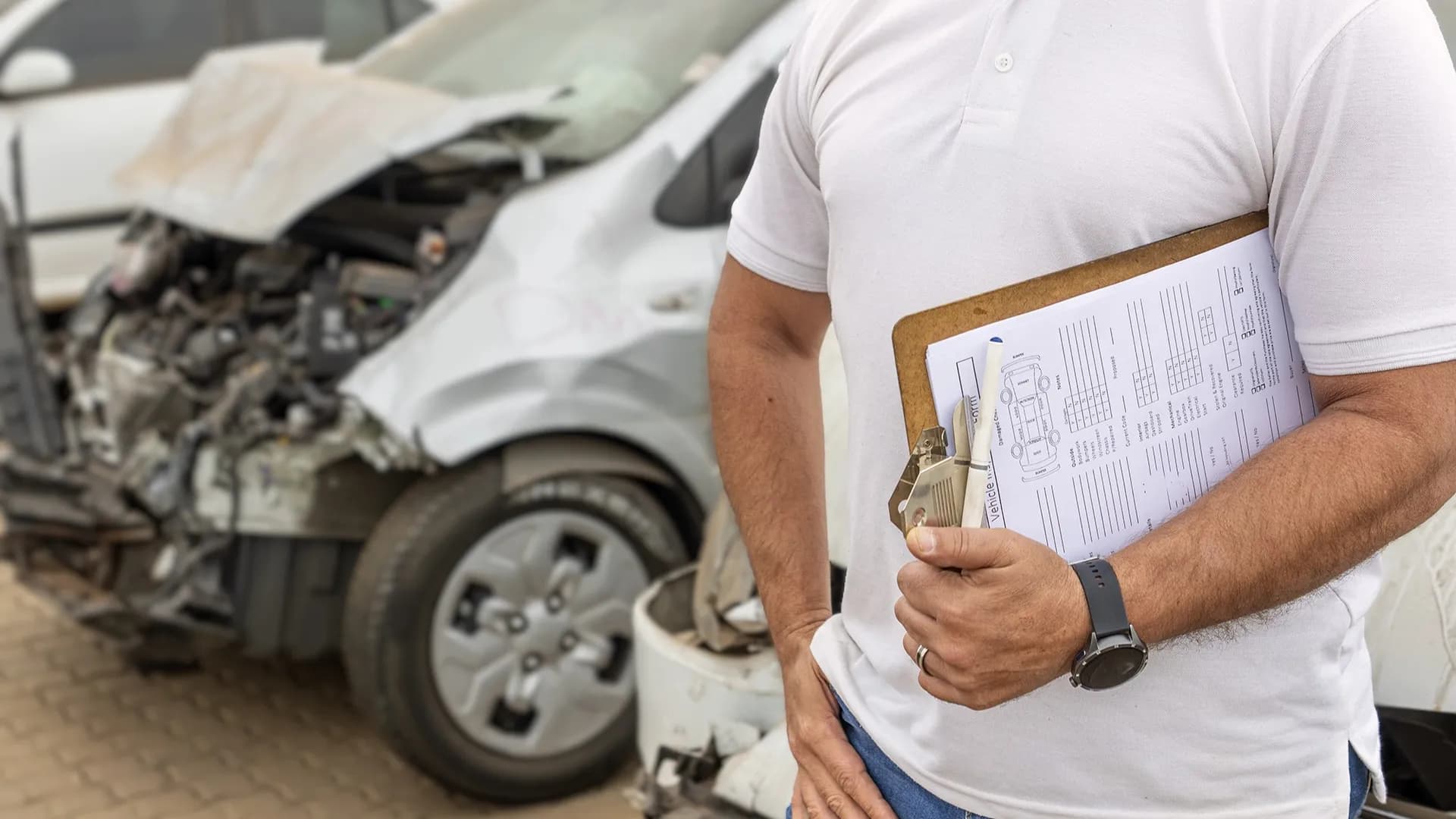
Accurate Documentation
Clear photos and honest descriptions speed valuation and improve offers.
Compare Buyers
Check inclusions like free towing, paperwork handling and payment speed.
Know Legal Steps
Verify finance status and keep transfer/deregistration records.
Quick note for owners of fire-damaged cars
Fire damage changes a car’s value and how offers are calculated. This guide offers insider tips on fire-damaged car sales in South Africa so you can make informed choices and secure a competitive cash offer while avoiding common mistakes.
Overview: what to expect when selling a fire-damaged car
A fire-damaged car can range from light electrical or interior burns to complete engine bay or chassis damage. Offers for fire-damaged vehicles reflect repair cost, salvage parts demand and legal status. Understanding typical buyer priorities in the salvage market helps you present the vehicle accurately and get a better result.
Why transparency matters
Buyers and salvage agents assess the extent of heat, smoke and structural damage. Clear photos, honest descriptions and documentation (service history, keys, and ownership papers) reduce verification time and improve trust. For more on what we buy and our standard process, see our Sell Damaged Cars page and our About / How it works page for context.
Repair cost vs value retained (typical South Africa examples)
| Estimated repair cost (R) | Typical retained market value (%) | When selling may be preferable |
|---|---|---|
| R10,000 - R30,000 | 60% - 80% | Minor interior or electrical fires; owner able to arrange repairs |
| R30,000 - R80,000 | 30% - 60% | Engine bay or structural heat damage-consider selling to salvage buyers |
| R80,000+ | Less than 30% | Extensive chassis or unibody damage; usually better to sell for salvage |
When to sell vs repair a fire-damaged car
- Compare estimated repair costs to the car’s pre-damage market value. If repairs exceed a large share of that value, selling is often the safer financial option.
- Consider safety and compliance: heat-compromised wiring, airbags or structural members can be expensive or unsafe to restore.
- If you hold comprehensive insurance with a salvage settlement, check insurer terms; sometimes insurers retain salvage rights which affect sale options.
Real-world South Africa scenarios
Example: a 2012 sedan with fire limited to the dash and wiring-repair estimate R25,000 versus pre-damage private sale value R110,000. Selling to a specialist salvage buyer may be quicker and carry lower hassle than arranging repairs. For non-running or heavily damaged vehicles, see our Sell Non-Running Car page for how collection and valuation work.
How the fire-damaged car sales process works
A smooth sale typically follows these steps: document damage with clear photos, gather ownership documents, get an obligation-free valuation from a reputable buyer, accept a competitive cash offer, arrange collection and complete transfer paperwork. Many professional buyers offer free towing and handle deregistration and admin so you don’t need to coordinate those details.
Damage types vs typical offer impact
| Damage type | Typical impact on offers | Buyer considerations |
|---|---|---|
| Interior/smoke damage | Moderate reduction | Cleaning, wiring checks, salvageable trim parts |
| Engine bay / wiring harness | Substantial reduction | Costly repairs; parts demand affects offer |
| Structural or chassis heat damage | Large reduction or salvage-only | Often sold for parts or scrap |
Legal and paperwork considerations in South Africa
Before transfer, verify ownership and any finance liens. Vehicles under finance require the lender’s written consent; if the lender has repossession or outstanding debt, proceeds may flow to settle the account. Professional buyers often assist with deregistration and transfer paperwork - this reduces errors and speeds payment. For nationwide service details and the standard workflow, see our homepage description of inclusions.
What to have ready
- ID and proof of ownership (RSA ID, registration papers)
- Clear photographs showing exterior, engine bay, odometer and interior damage
- Details of any insurer communications or claim numbers if relevant
Tips to maximise your offer for a fire-damaged car
- Be honest and precise in descriptions-buyers price risk into offers; accurate info prevents reductions after inspection.
- Provide multiple clear photos taken in daylight from different angles, including close-ups of affected areas and the VIN/engine bay.
- Keep minor parts and keys together. A full set of keys and service history can increase offers, particularly for higher-value vehicles.
- Get multiple valuations from reputable buyers to understand market range; compare inclusions like free towing or admin handling rather than only headline figures.
- If the car is non-running after the fire, reference specialist pages that explain collection for non-runners to clarify logistics and timing: Sell Non-Running Car.
What happens after collection
After you accept an offer and the vehicle is collected (often via free towing), the buyer typically handles transfer of ownership, deregistration where applicable, and payment. Payment timelines vary, but reputable buyers complete bank transfers quickly after paperwork is verified. Keep copies of transfer documents and proof of payment for your records.
Experience-based final tips
Owners in Johannesburg, Cape Town and Durban often find faster turnaround due to higher salvage demand in metros, but nationwide buyers will collect from smaller towns too. If you’re uncertain about the next step, use trusted buyers who clearly list inclusions like free towing and paperwork assistance on their site.
Sources
Seasoned automotive specialists dedicated to helping you turn your damaged or non-running vehicle into cash fast and hassle-free.
Disclaimer: This content is for educational purposes only. Product availability, pricing, and specifications are subject to change. Always verify current details on the retailer's website before making a purchase. We may earn affiliate commissions from qualifying purchases.
Why sell your damaged car to us?

A Division of Auction Nation, the leading expert in selling damaged cars

Best price for your damaged car

Get a cash offer within 24h

We buy damaged cars in any condition

We buy accident- damaged cars still under finance

Free, no obligation offer on your vehicle
How We Calculate Your Damaged Car’s Value
Wondering how we calculate your car’s value? At Sell Your Damaged Car, we look at: Your car’s real condition, its salvage value, and the current market demand. It’s all about honesty, transparency, and fairness — that’s how we determine your offer.
Frequently Asked Questions
Get answers to common questions about Tips And Advice
Why Choose Sell Your Damaged Car?
Free Towing
Need a tow? We got you
Hassle Free
Get a cash offer within 24h!
Nationwide
Somewhere remote? No problem!
