
Innovations in Vehicle Recovery Post-Insurance Claim - South Africa
Explore how digital assessments, automated towing and improved salvage markets are changing vehicle recovery after insurance claims in South Africa, with practical tips for owners.
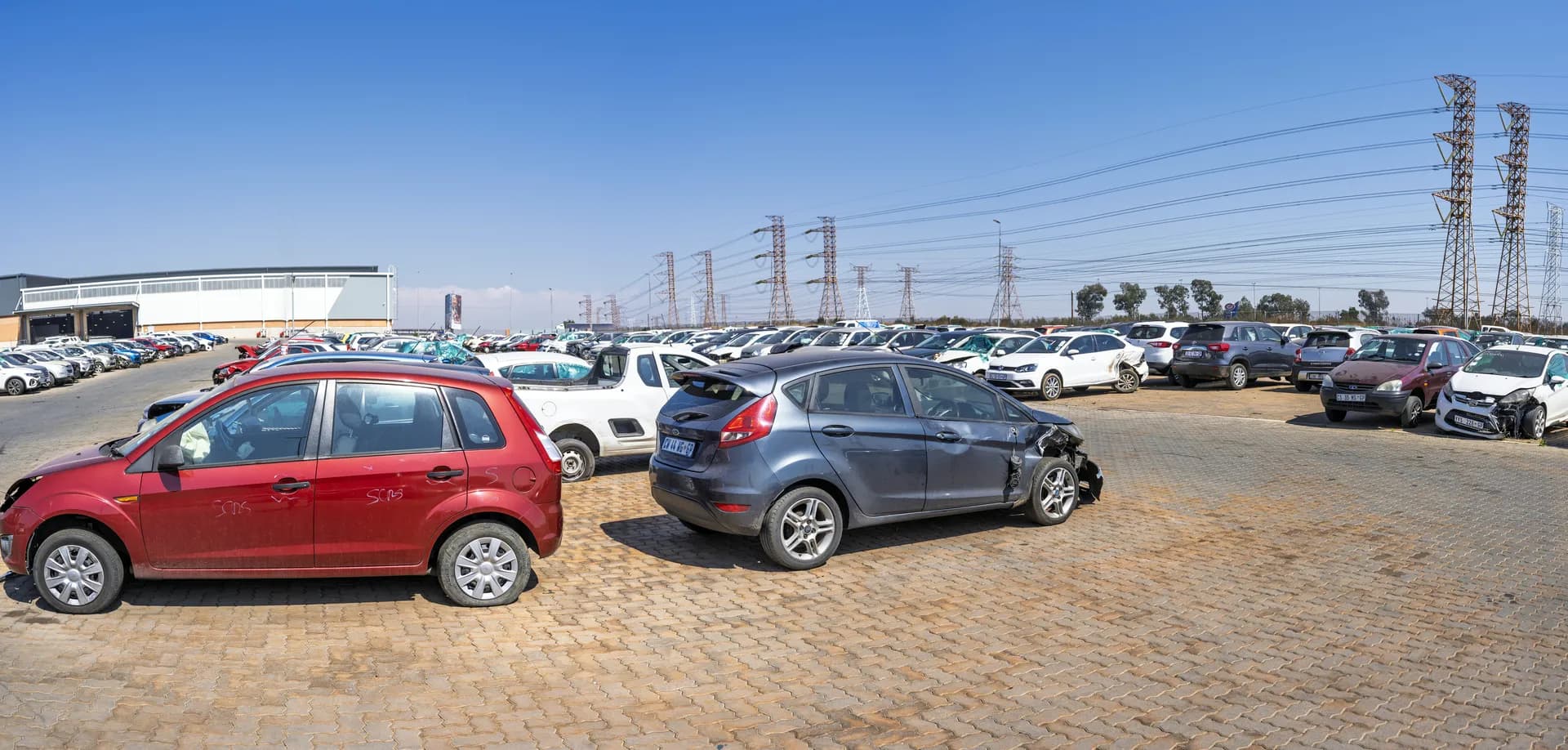
Faster Digital Intake
Photos and remote appraisals reduce time to valuation and collection.
Clearer Paperwork
Digital transfer records and deregistration lower admin risk.
Nationwide Logistics
Automated towing and recovery networks support SA metro and outlying areas.
Overview: What "innovations in vehicle recovery post insurance claim" means for SA owners
In South Africa, advances in vehicle recovery after an insurance claim cover technology, logistics and market practices. These innovations speed up tow-to-salvage workflows, improve inspection accuracy and increase transparency for owners who must decide whether to repair, sell to a specialist buyer, or transfer title to an insurer. For many private owners and fleet managers in Johannesburg, Cape Town and Durban, these changes deliver faster collection, clearer paperwork and better traceability through the claim lifecycle.
Why this matters to vehicle owners
After an insurer deems a vehicle a total loss or authorises a claim, recovery can be slow, costly and confusing. Innovations such as digital salvage assessments, automated towing dispatch, and secure online marketplaces reduce delays and help owners understand options faster. If you’re exploring alternatives, our overview of practical steps can help - and you can also review how specialised buyers handle non-running cars on the Sell Non-Running Car page for context.
Quick take: innovations reduce lead time from loss notification to collection, improve valuation transparency and often include free towing or streamlined paperwork for owners.
Common innovation categories
- Mobile-first damage assessment: Photos and short videos uploaded to claim portals or specialist buyers speed up initial valuations.
- Automated towing logistics: Centralised booking platforms match available tow trucks to pickups across metros and surrounding areas.
- Blockchain / secure records (emerging): Immutable records of ownership transfers and salvage status improve trust in transactions.
- Digital marketplaces for salvage parts: Faster pathways for parts recovery and recycling reduce disposal time and increase return to owners or insurers.
When to sell versus when to repair
Deciding to repair or sell after an insurance claim depends on repair cost, vehicle age, safety, and the administrative burden of reinstating the vehicle on the road. For accident-written-off or non-running vehicles, many owners prefer a straightforward sale to a specialist buyer that handles towing and paperwork. If you want an accessible comparison of what specialists buy, see the Sell Damaged Cars page.
| Scenario | Estimated repair cost (R, illustrative) | Value retained after repair (estimate) |
|---|---|---|
| Minor bumper/paint damage | R3,000 - R12,000 | 80%-95% (depends on age) |
| Structural/frame damage | R25,000 - R100,000+ | 30%-70% (often written-off) |
| Mechanical failure (engine/gearbox) | R10,000 - R80,000 | 40%-85% (condition dependent) |
Notes: Figures are illustrative estimates for South Africa and will vary by region, make, model and available parts. If repair costs approach or exceed expected retained value, selling as-is to a specialist is often the lower-effort option.
How the modern recovery process works (post-claim)
Innovations have modularised the recovery workflow into faster stages: digital intake, remote appraisal, automated towing dispatch, secure transfer and salvage processing. Many recovery services now integrate directly with claim portals so owners and insurers see the same timeline. Specialist buyers and recovery operators increasingly provide clear online steps for owners to follow - from uploading images to arranging collection. For owners who want to compare specialist buying options and service inclusions, our About / How it works page explains typical service promises like free towing and paperwork handling.
Typical step sequence
- Claim completion by insurer and owner decision on retention or transfer.
- Remote assessment (photos/videos) to shortlist recovery options.
- Towing schedule via central dispatcher or partner network.
- Secure handover, paperwork completion and deregistration steps where applicable.
Damage types vs typical offer impact
| Damage type | Typical impact on cash offer (illustrative) |
|---|---|
| Superficial body/fender damage | Low to medium reduction (minor lowering of offer) |
| Flood or water ingress | Medium to high reduction (depends on electrical/mechanical impact) |
| Structural/frame damage | High reduction (often treated as written-off) |
| Fire damage | High reduction (limited salvageable components) |
These impacts are qualitative estimates for South African salvage markets; final offers depend on vehicle data, parts demand and condition at collection.
Legal & paperwork considerations in South Africa
When a vehicle is transferred after an insurance claim, correct paperwork is essential. Innovations help here too: digital transfer forms, online proof of deregistration and centralised logging of salvage status reduce admin time. Key points South African owners should know:
- Deregistration: If the vehicle is deregistered, a clear digital record protects future buyers and clarifies VAT/transfer obligations.
- Vehicles under finance: The financier must be notified and settled or transferred correctly; many recovery providers now include guidance on handling financed vehicles.
- Official receipts and transfer forms: Always request properly completed documentation and proof of payment when a sale is finalised.
Tips to maximise your offer using modern recovery pathways
Innovations give owners leverage - here are practical steps that draw on new tools and market practices:
- Provide clear photos and a short video of the vehicle and damage - remote assessments are more accurate with quality media.
- Disclose finance and accident history up front to avoid delays in transfer.
- Use services that document collection and deregistration digitally to reduce later disputes.
- Compare offers from specialist buyers and consider timelines: faster collection and free towing can reduce storage-related deterioration.
What happens after collection
After a vehicle is collected following an insurance claim or private sale, recovery operators typically follow one of several routes: dismantling for parts, refurbishment for resale in export or secondary markets, auction sale, or environmentally compliant disposal. Emerging practices prioritise parts recovery and recycling to increase yield and reduce environmental impact, which can improve overall returns for insurers and specialist buyers in South Africa.
For owners who prefer minimal admin, many modern buyers provide unified end-to-end handling: they arrange towing across metros and surrounding areas, finalise necessary transfer paperwork and provide payment verification. If you’re evaluating options, review a specialist buyer’s process and inclusions so you understand deregistration handling and payment timing; the company homepage explains these core inclusions in practical detail: Sell Your Damaged Car.
Practical example from South African contexts
A fleet manager in Gauteng whose vehicle suffered frame damage after a collision can use mobile-first intake to get a rapid salvage estimate, book automated towing to a recovery yard and receive consolidated documentation to satisfy both insurer and finance provider requirements. This reduces downtime compared with older, manual recovery routes.
Final considerations
Innovations in vehicle recovery post insurance claim South Africa are improving speed, transparency and outcomes for owners and insurers. Use remote assessments, choose recovery partners that provide clear documentation and nationwide logistics, and compare options rather than defaulting to lengthy repairs. For owners of non-running or heavily damaged vehicles who prioritise a faster, simpler outcome, specialist buyers who handle towing and paperwork can be a practical alternative - learn more about how specialist collection and admin services work on the About / How it works page.
Sources
Seasoned automotive specialists dedicated to helping you turn your damaged or non-running vehicle into cash fast and hassle-free.
Disclaimer: This content is for educational purposes only. Product availability, pricing, and specifications are subject to change. Always verify current details on the retailer's website before making a purchase. We may earn affiliate commissions from qualifying purchases.
Why sell your damaged car to us?

A Division of Auction Nation, the leading expert in selling damaged cars

Best price for your damaged car

Get a cash offer within 24h

We buy damaged cars in any condition

We buy accident- damaged cars still under finance

Free, no obligation offer on your vehicle
How We Calculate Your Damaged Car’s Value
Wondering how we calculate your car’s value? At Sell Your Damaged Car, we look at: Your car’s real condition, its salvage value, and the current market demand. It’s all about honesty, transparency, and fairness — that’s how we determine your offer.
Frequently Asked Questions
Get answers to common questions about News Updates
Why Choose Sell Your Damaged Car?
Free Towing
Need a tow? We got you
Hassle Free
Get a cash offer within 24h!
Nationwide
Somewhere remote? No problem!
