
Industry Trends in Salvage Vehicle Insurance in South Africa - Market Shifts & Implications
Explore current trends affecting salvage vehicle insurance in South Africa, guidance on sell vs repair decisions, paperwork issues and tips to maximise salvage outcomes.
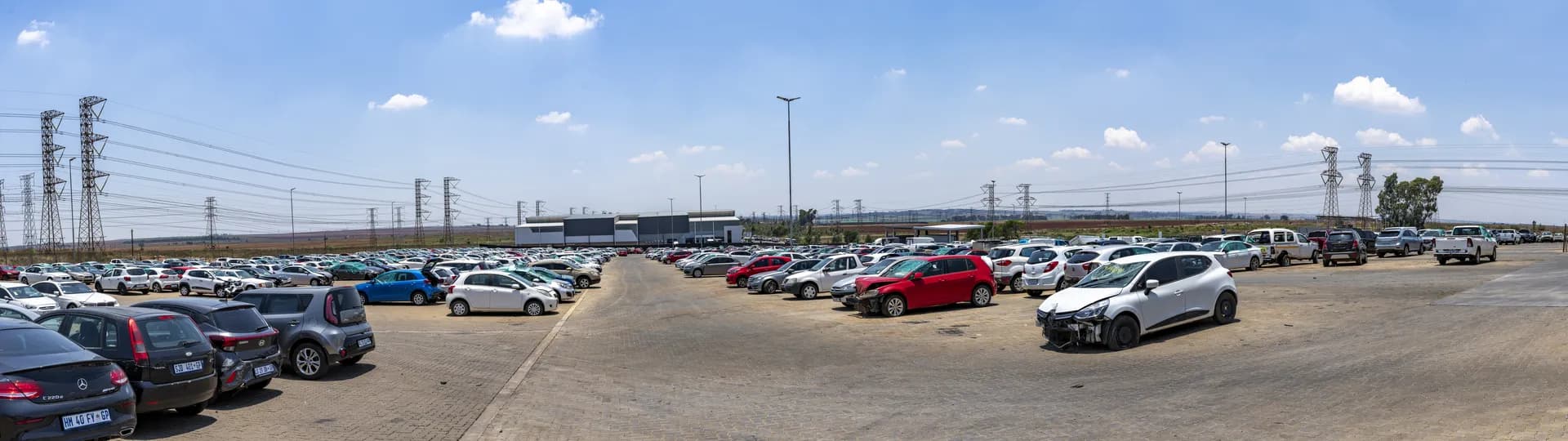
Why Salvage Trends Matter
Repair costs, tech complexity and insurer practices shape write-off decisions.
Practical Owner Steps
Get clear photos, compare offers and confirm paperwork handling.
SA Market Notes
Regional demand and finance encumbrances influence offers and timing.
Overview: salvage vehicle insurance trends in South Africa
Salvage vehicle insurance and the broader salvage market in South Africa are evolving due to changing repair costs, advances in vehicle technology, and shifting insurer practices. Owners, fleet managers and industry professionals need to understand how insurers determine write-offs, how the secondary market for salvage works, and what this means for cash offers and disposals of damaged vehicles. This article explains current trends, practical implications and what vehicle owners should watch for when dealing with salvage valuations.
Why it matters to vehicle owners and fleets
When insurers declare a vehicle a total loss or write-off, the replacement or cash settlement a policyholder receives depends on market values, salvage demand and repair cost calculus. For private owners and small business fleets in Cape Town, Johannesburg and Durban, these trends affect whether it makes sense to accept an insurer settlement, pursue repair, or sell to a specialist buyer. Understanding the salvage market can help you secure a competitive cash outcome and avoid unnecessary delays.
Key drivers shaping current trends
- Rising parts and labour costs for newer, technology-rich vehicles.
- Increased occurrence of complex electronic and structural damage that raises repair uncertainty.
- Growing demand in the local salvage market for usable parts - affecting salvage values.
- Insurer focus on speed of settlement and cost-containment strategies, including salvage auctions and direct-buy programs.
When to sell vs repair: a South Africa perspective
Deciding whether to repair or sell a damaged vehicle depends on repair cost, residual market value, availability of parts, and the vehicle's intended future use. For many non-running, written-off or severely damaged vehicles, selling to a specialist buyer is faster and often less risky than funding extensive repairs-especially where complex electronic faults or structural damage are present.
Repair cost vs retained value (example estimates)
| Scenario | Estimated repair cost (R) | Estimated retained value post-repair (R) | Practical note |
|---|---|---|---|
| Minor cosmetic & bumper damage | R5,000-R12,000 (estimate) | R20,000-R40,000 (estimate) | Repair often retains value; private sale possible. |
| Structural chassis or airbag deployment | R30,000-R120,000+ (estimate) | Often lower than repair cost | Insurers may write off; specialist sale recommended. |
| Electrical or ECU/ADAS faults | R15,000-R80,000 (estimate) | Variable - depends on part availability | Repair complexity drives conservative insurer decisions. |
Note: figures above are illustrative estimates for the South African market and will vary by region, vehicle age and model. Use them as a guide, not definitive valuations.
If you want to compare options for a vehicle that no longer runs or has been written off, specialist services that buy cars in any condition can streamline the outcome. Learn about how the process generally works on our About / How it works page and consider whether a direct sale suits your timing and paperwork needs.
How the salvage & settlement process is changing
Insurers are refining salvage workflows to reduce settlement time and administrative overhead. Common changes include earlier salvage inspections, use of digital photos for remote assessments, and partnerships with salvage buyers to manage collection and deregistration. These changes shorten settlement windows but also mean owners should be prepared with clear documentation and photos to ensure accurate valuations.
For owners considering alternatives to insurer-managed salvage auctions, specialist buyers often offer immediate cash options and can handle towing and paperwork, simplifying the process for busy owners in major metros and surrounding areas.
See practical disposal and non-running vehicle options on our Sell Non-Running Car page.
Legal & paperwork considerations in South Africa
Deregistration, transfer requirements and finance encumbrances are central to any salvage transaction. If a vehicle is still under finance, the finance provider has an interest that must be settled or transferred. Specialist buyers and insurer salvage programs commonly assist with deregistration and settlement paperwork, but owners should confirm exactly which forms are handled and whether any clearances are required before payment or collection.
Damage types vs typical offer impact
| Damage type | Typical impact on offer | Practical notes (SA) |
|---|---|---|
| Front/rear bumper & panel damage | Moderate reduction | Commonly repairable; parts availability matters. |
| Structural or frame damage | Significant reduction / likely write-off | Often declared total loss by insurers due to safety rules. |
| Flood or fire damage | High impact; reduced demand | Contamination or wiring damage reduces offers. |
Tips to maximise outcome when selling salvage
- Present clear photos from multiple angles and list any mechanical/electrical faults honestly - transparency builds trust and quicker offers.
- Keep documentation ready: registration papers, service history, and finance clearance if applicable.
- Compare insurer settlement options with direct-sale offers from reputable specialist buyers who provide free towing and paperwork assistance.
- If you’re unsure about valuations, request multiple written offers or independent salvage inspections.
What happens after collection: logistics and payments
Modern salvage workflows aim to minimise owner involvement: once an offer is accepted, the buyer typically arranges free towing, finalises paperwork including deregistration where appropriate, and releases payment. In South Africa, vehicle owners should verify whether payment is conditional on clearance of any finance, and confirm timelines for transfer or deregistration with the buyer or insurer.
If you are considering a direct sale to a specialist buyer instead of insurer-managed salvage, our Sell Damaged Cars page explains what documentation and logistics to expect.
Practical takeaways for South African vehicle owners
- Trend: insurers are quicker to adjudicate totals when repair uncertainty is high - be prepared with good evidence of condition.
- Action: get multiple written valuations and consider specialist buyers who offer free towing and handle paperwork.
- Caveat: salvage values vary by region - demand for parts in metros like Johannesburg or Durban can influence offers.
Sources
- South African Insurance Association (SAIA) - industry guidance and reports
- Financial Sector Conduct Authority (FSCA) - insurance regulation in South Africa
- Department of Transport South Africa - vehicle regulations and roadworthiness
- NAAMSA - vehicle market data and trends
If you own a salvaged, written-off or non-running vehicle in South Africa and want a straightforward option to convert it into cash with free towing and paperwork assistance, learning these market trends and preparing clear documentation will help you secure a competitive cash outcome quickly.
Seasoned automotive specialists dedicated to helping you turn your damaged or non-running vehicle into cash fast and hassle-free.
Disclaimer: This content is for educational purposes only. Product availability, pricing, and specifications are subject to change. Always verify current details on the retailer's website before making a purchase. We may earn affiliate commissions from qualifying purchases.
Why sell your damaged car to us?

A Division of Auction Nation, the leading expert in selling damaged cars

Best price for your damaged car

Get a cash offer within 24h

We buy damaged cars in any condition

We buy accident- damaged cars still under finance

Free, no obligation offer on your vehicle
How We Calculate Your Damaged Car’s Value
Wondering how we calculate your car’s value? At Sell Your Damaged Car, we look at: Your car’s real condition, its salvage value, and the current market demand. It’s all about honesty, transparency, and fairness — that’s how we determine your offer.
Frequently Asked Questions
Get answers to common questions about News Updates
Why Choose Sell Your Damaged Car?
Free Towing
Need a tow? We got you
Hassle Free
Get a cash offer within 24h!
Nationwide
Somewhere remote? No problem!
