
The Importance of Clear Accident Documentation When Selling a Damaged Car in South Africa
Learn why clear accident documentation matters when selling a damaged or non-running car in South Africa, how it affects offers, paperwork and timelines.
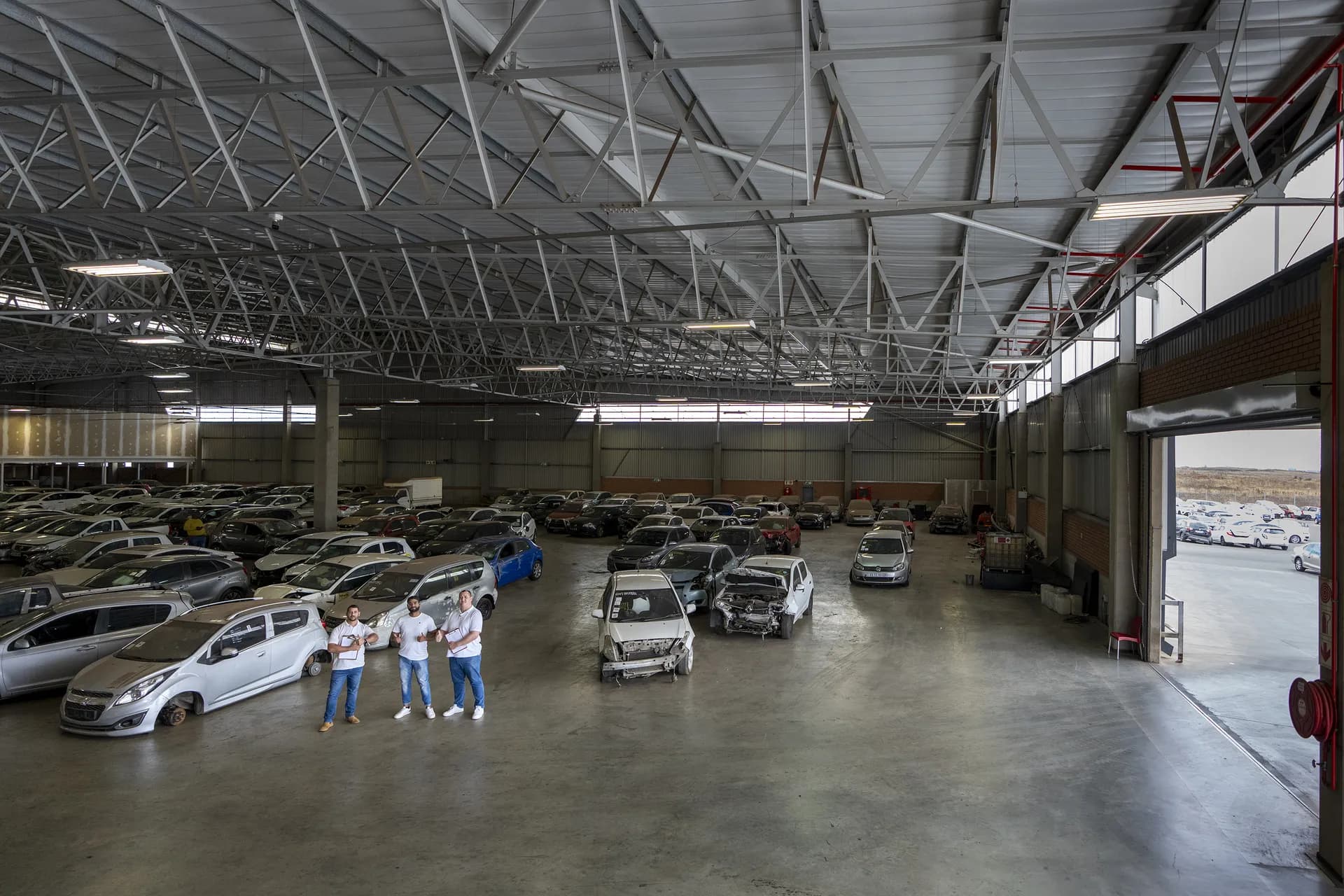
Documentation Protects Value
Police reports, photos and invoices reduce uncertainty and can improve offers.
Speeds Up Sale & Transfer
Clear records shorten verification, collection and payment timelines.
Helpful for All Damage Types
From mechanical failure to flood or structural damage, documentation matters.
Overview: Why clear accident documentation matters
Clear, accurate accident documentation is one of the most influential factors when converting a damaged vehicle into cash. For private owners and small fleets in Johannesburg, Cape Town, Durban and across South Africa, documented history reduces buyer uncertainty, supports transparent offers and speeds up legal transfer or deregistration. Whether a car is written off, flood-affected or mechanically failed after a collision, records help establish condition, repair history and insurance involvement.
What counts as good documentation
- Police accident report or case number (where applicable)
- Photos showing damage from multiple angles, interior and engine bay
- Repair invoices, parts receipts and estimates from reputable workshops
- Insurance settlement letters or written-off confirmations
- Service history and current mileage evidence
How documentation affects offers
Buyers and salvage assessors price risk into every offer. Clear documentation reduces perceived risk: verified repairs or an insurer’s write-off decision clarifies whether the vehicle has structural issues or only cosmetic damage. Conversely, missing or unclear records can reduce offers and increase the time taken to agree a sale.
Practical example: A privately owned sedan in Cape Town with photo evidence, a police report and detailed workshop invoices typically attracts faster and more transparent offers than a similar car without paperwork. Estimates below show how repair clarity commonly influences perceived retained value (illustrative ranges for South Africa, figures approximate).
| Repair cost (R) | Estimated retained value with full documentation | Estimated retained value with poor/no documentation |
|---|---|---|
| R5,000 - R15,000 | 70%-85% of pre-accident market value | 50%-70% of pre-accident market value |
| R15,000 - R50,000 | 50%-70% of pre-accident market value | 35%-55% of pre-accident market value |
| > R50,000 (major structural) | 30%-50% of pre-accident market value | 20%-40% of pre-accident market value |
These ranges are general and depend on make, model, year and salvage demand in South Africa. Documentation narrows uncertainty and often translates to a more competitive cash offer from specialist buyers.
When to sell vs repair
Deciding whether to repair or sell depends on repair cost, safety, residual value and available documentation. If repair estimates approach or exceed available equity, or if structural damage is confirmed with limited resale benefit, selling may be the pragmatic choice. Clear documentation helps you compare actual repair costs to expected resale outcomes.
- If repairs are minor and well-documented, repairing can retain more value.
- If structural or flood damage is extensive, documented evidence often supports relinquishing the vehicle to a salvage buyer.
- For vehicles under finance, paperwork showing insurer settlement or lien release simplifies transfer-ask your finance provider for required forms.
For more on the types of damaged vehicles we purchase and how condition affects offers, see our Sell Damaged Cars page. To understand our collection and paperwork process in practice, visit About / How it works.
How the buyer assessment and sale process works
When you submit a damaged vehicle to a specialist buyer, assessors use documentation alongside photos and condition notes to estimate a cash offer. Good documents allow quicker verification of claims (for example, insurer write-off letters or workshop invoices), reducing the need for prolonged inspection and lowering delays in collection and payment.
Damage types vs typical offer impact
| Damage type | Typical offer impact |
|---|---|
| Superficial body damage (bumper, panels) | Lower reduction if receipts show cosmetic repairs; documentation supports higher offers |
| Mechanical failure (engine, gearbox) | Significant reduction unless repair history or parts invoices present |
| Structural/frame damage | Major reduction; clear insurer/assessor reports clarify extent and liability |
| Flood or fire damage | Offers can be heavily discounted; professional reports and invoices can improve transparency |
Legal & paperwork in South Africa
South African sales of damaged cars require correct documentation for transfer and deregistration. Typical items include the vehicle licence disc (if available), certified copy of ID, a written sale agreement, and any insurer or finance correspondence. If the vehicle is under finance, proof of settlement or a written release from the finance company is essential before transfer can proceed. Buyers who handle deregistration and paperwork reduce risk and speed up payment.
Documenting the accident itself-police reports, witness statements or tow-in records-can be crucial when insurers or authorities need to confirm the incident. Keeping originals and providing legible scanned copies helps remote valuations and nationwide collections.
Tips to maximise your offer with documentation
- Provide chronological evidence: photos taken immediately after the accident, workshop estimates, then invoices.
- Supply insurer correspondence and any police case numbers to confirm reported incidents.
- If repairs were completed, include detailed invoices with parts numbers and labour breakdowns.
- Be transparent about outstanding finance-documented communication with the lender avoids delays.
- Prepare multiple clear photos (exterior, interior, engine bay) and state odometer reading at time of accident.
If your vehicle no longer runs, our process for non-running cars shows how documentation helps remote valuation and collection; see the Sell Non-Running Car page for specifics on required details.
What happens after collection
After you agree a sale and the vehicle is collected, the buyer typically completes transfer or deregistration paperwork and releases payment in line with agreed terms. Clear accident documentation reduces verification steps and can shorten the interval between collection and payment. For a general overview of our approach to paperwork and collection, visit our homepage.
Example timeline (typical, illustrative): collection within 48-72 hours of acceptance in metro areas, paperwork finalised within 3-7 days where finance or insurer confirmation is not required. Times may extend when external parties (finance houses or insurers) must provide clearance.
Sources
- South African Police Service - Reporting road incidents and procedures
- Department of Transport - Vehicle registration, transfer and deregistration guidance
- Automobile Association of South Africa - Advice on accident procedures and vehicle condition checks
Accurate accident documentation benefits sellers by reducing uncertainty, speeding verification and helping specialists provide fair, competitive cash offers. Keep originals where possible, create good-quality digital copies, and note any outstanding finance or insurer involvement to avoid delays during sale and transfer.
Seasoned automotive specialists dedicated to helping you turn your damaged or non-running vehicle into cash fast and hassle-free.
Disclaimer: This content is for educational purposes only. Product availability, pricing, and specifications are subject to change. Always verify current details on the retailer's website before making a purchase. We may earn affiliate commissions from qualifying purchases.
Why sell your damaged car to us?

A Division of Auction Nation, the leading expert in selling damaged cars

Best price for your damaged car

Get a cash offer within 24h

We buy damaged cars in any condition

We buy accident- damaged cars still under finance

Free, no obligation offer on your vehicle
How We Calculate Your Damaged Car’s Value
Wondering how we calculate your car’s value? At Sell Your Damaged Car, we look at: Your car’s real condition, its salvage value, and the current market demand. It’s all about honesty, transparency, and fairness — that’s how we determine your offer.
Frequently Asked Questions
Get answers to common questions about Legal And Paperwork
Why Choose Sell Your Damaged Car?
Free Towing
Need a tow? We got you
Hassle Free
Get a cash offer within 24h!
Nationwide
Somewhere remote? No problem!
