
How to Value a Flood-Damaged Car in SA - Practical Steps for Owners
Learn how to estimate the value of a flood-damaged car in South Africa: inspection checklist, repair vs sell analysis, SA-specific paperwork and practical examples.
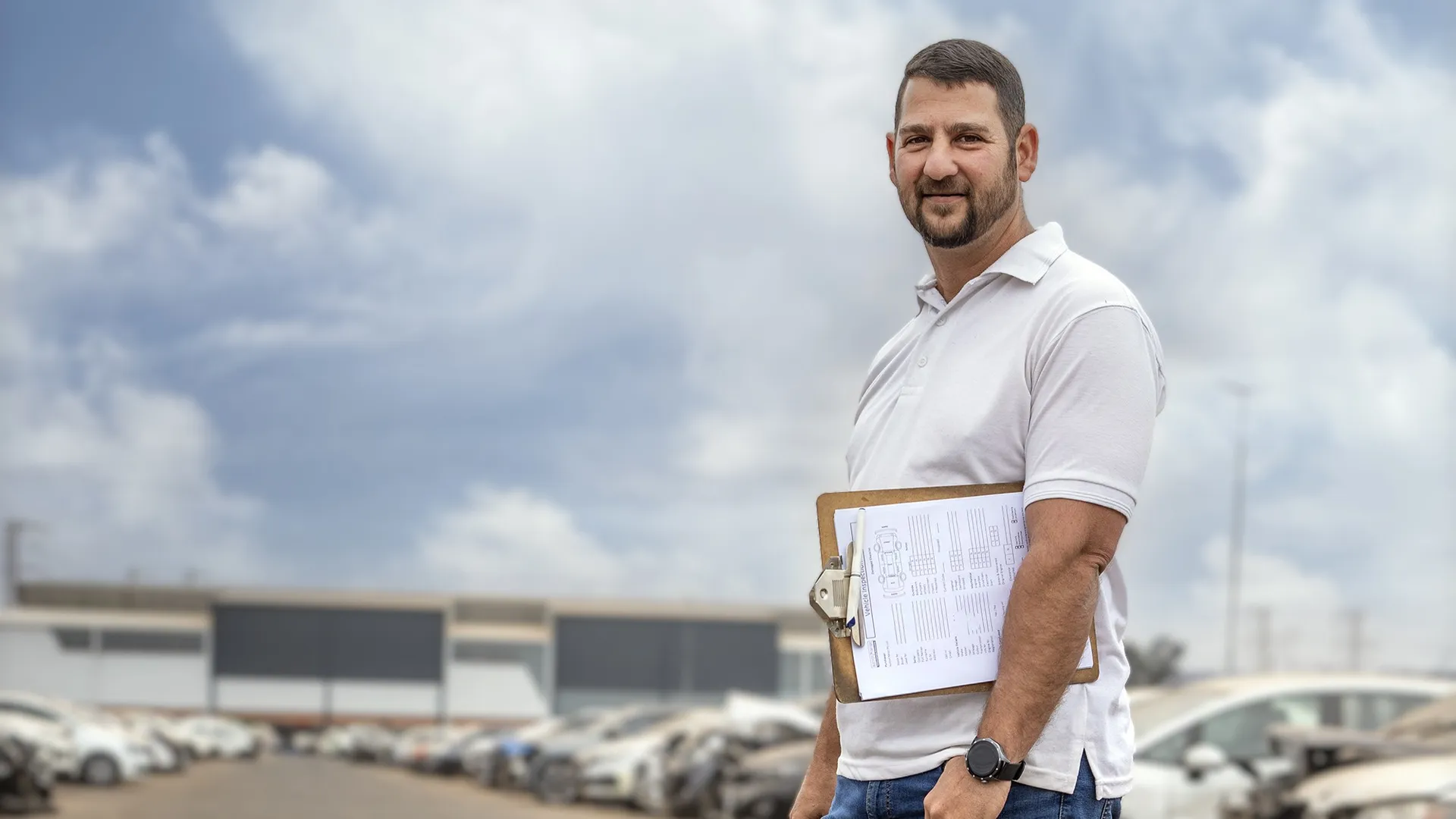
Assess Visible & Hidden Damage
Inspect interior, electronics and engine to separate surface issues from systemic risks.
Compare Repair Quotes
Get multiple diagnostics and compare repair costs against pre-damage market value.
Factor in Salvage & Paperwork
Consider salvage demand, free towing and deregistration when choosing to sell.
Overview: Why valuing a flood-damaged car matters in South Africa
Flood damage can affect a vehicle’s electrical systems, engine, interior and long-term resale prospects. Accurately valuing a flood-damaged car in SA helps owners decide whether to repair, sell to a salvage buyer, or declare a write-off. This guide explains how to assess condition, estimate repair costs, factor in market and regulatory considerations in South Africa, and produce a realistic valuation.
Initial inspection checklist
- Exterior: check water line marks, mud or debris trapped in door seals and underbody.
- Interior: odours (mould/mildew), damp upholstery, wet carpets and corroded trim fasteners.
- Electrical: test lights, infotainment, power windows and starter behaviour.
- Engine and fluids: look for water in oil (milky appearance), contaminated air filter or silt in the intake.
- Underbody and suspension: rust, sediment, or blocked drain channels.
How flood damage affects value: key principles
Flood damage tends to reduce resale value for two reasons: (1) visible, fixable damage (interior, bodywork) and (2) hidden, systemic damage (electrical corrosion, engine problems) that can surface later. Buyers and insurers price in uncertainty; salvage demand and part value determine what a buyer will offer on a flood-damaged vehicle.
| Repair cost vs value retained (illustrative) | Estimated R range (example) | Impact on decision |
|---|---|---|
| Minor interior & electronics (dry, limited mould) repair | R3,000 - R15,000 | Possible repair if vehicle value >> repair cost |
| Moderate - wiring, ECU work, sensors | R15,000 - R60,000 | Often uneconomic for older cars; consider salvage sale |
| Severe - engine hydrolock, long-term corrosion | R60,000+ | Likely written-off; salvage or parts market appropriate |
Damage types vs typical offer impact
| Damage type | Typical buyer view | Offer impact (qualitative) |
|---|---|---|
| Surface water in cabin, no engine contact | Repairable interior with cleaning and drying | Moderate reduction |
| Electrical system corrosion or intermittent faults | High-risk item; diagnostic needed | Significant reduction |
| Engine ingested water / hydrolock | Often irreparable economically for older cars | Major reduction or written-off |
Quick note: values in the tables are illustrative examples for South Africa and should be confirmed with local diagnostics and quotes. Labour and parts costs vary by city (Johannesburg, Cape Town, Durban) and vehicle make.
If you plan to sell rather than repair, document damage clearly with time-stamped photos and notes about performance issues. This transparency helps produce a realistic offer from licensed buyers. See how the process works and what we buy on our About / How it works page.
For non-runners that have suffered flood damage, review our guidance for selling non-running vehicles to understand logistics and common buyer expectations: Sell Non-Running Car.
When to repair versus sell a flood-damaged car
Use a simple cost-benefit approach: compare reliable local repair quotes (parts + labour) with the vehicle’s pre-damage market value and adjusted salvage value. If repair costs consume a large share of pre-damage value, selling to a specialist or salvage buyer is often the pragmatic choice.
Step-by-step valuation method
- Estimate pre-damage market value using local listings for the same make, year and mileage in your metro (R estimates should be used conservatively).
- Get at least two independent repair/diagnostic quotes from reputable workshops in your area (Johannesburg, Cape Town, Durban differences matter).
- Estimate a buyer discount for flood history (often 20%-60% depending on damage severity and vehicle age).
- Calculate a practical offer range: salvage value (parts + scrap) up to a repaired resale value minus buyer risk margin.
South Africa-specific legal and market notes
In South Africa, full disclosure about flood damage is essential when transferring ownership. If the vehicle is to be deregistered or declared a write-off, administrative steps vary by circumstance. Licensed buyers often handle deregistration and paperwork to reduce owner burden; learn more about what we buy and the paperwork process on our Sell Damaged Cars page.
Practical examples and scenarios
Example A - Older hatchback (pre-damage value R50,000): interior water, no engine contact, repair quotes R8,000-R12,000. After factoring in market hesitancy, a Salvage buyer might offer R28,000-R35,000. Owner decision depends on how quickly they need cash versus keeping the car.
Example B - Mid-life sedan (pre-damage value R250,000): engine hydrolock, ECU faults, repair quotes R80,000-R120,000. High cost relative to value often leads to write-off and a low salvage offer; selling to a parts/salvage specialist is usually recommended.
Tips to maximise a fair valuation
- Document thoroughly: clear photos of waterline, engine bay, VIN plate and odometer help buyers assess quickly.
- Obtain a dated diagnostic report where possible; this reduces buyer uncertainty and can improve offers.
- Be transparent about repair history and prior insurance claims; undisclosed issues reduce trust and offers.
- Compare offers from reputable buyers and consider free towing and admin handling as part of the total value received.
What happens after you accept an offer
Licensed buyers typically arrange collection (many provide free towing nationwide), complete transfer paperwork and pay according to agreed terms. If the vehicle is under finance, notify your lender - settlements or third-party transfers may be required. For guidance on selling non-running or heavily damaged vehicles and the logistics involved, owners can review our practical process on the homepage.
Final considerations
Valuing a flood-damaged car in SA combines objective inspection, local repair pricing, and market-based risk discounts. Use conservative estimates, ask for written diagnostics, and prioritise buyers who handle paperwork and collection. When in doubt, seek independent advice from qualified mechanics or licensed salvage buyers to avoid surprises.
Sources
Seasoned automotive specialists dedicated to helping you turn your damaged or non-running vehicle into cash fast and hassle-free.
Disclaimer: This content is for educational purposes only. Product availability, pricing, and specifications are subject to change. Always verify current details on the retailer's website before making a purchase. We may earn affiliate commissions from qualifying purchases.
Why sell your damaged car to us?

A Division of Auction Nation, the leading expert in selling damaged cars

Best price for your damaged car

Get a cash offer within 24h

We buy damaged cars in any condition

We buy accident- damaged cars still under finance

Free, no obligation offer on your vehicle
How We Calculate Your Damaged Car’s Value
Wondering how we calculate your car’s value? At Sell Your Damaged Car, we look at: Your car’s real condition, its salvage value, and the current market demand. It’s all about honesty, transparency, and fairness — that’s how we determine your offer.
Frequently Asked Questions
Get answers to common questions about Damage Types
Why Choose Sell Your Damaged Car?
Free Towing
Need a tow? We got you
Hassle Free
Get a cash offer within 24h!
Nationwide
Somewhere remote? No problem!
