
How to Sell Salvage Cars in Mpumalanga - Practical Steps & Local Guidance
Learn practical steps for selling salvage or written-off vehicles in Mpumalanga: valuation factors, legal paperwork, tips to maximise offers and what happens after collection.
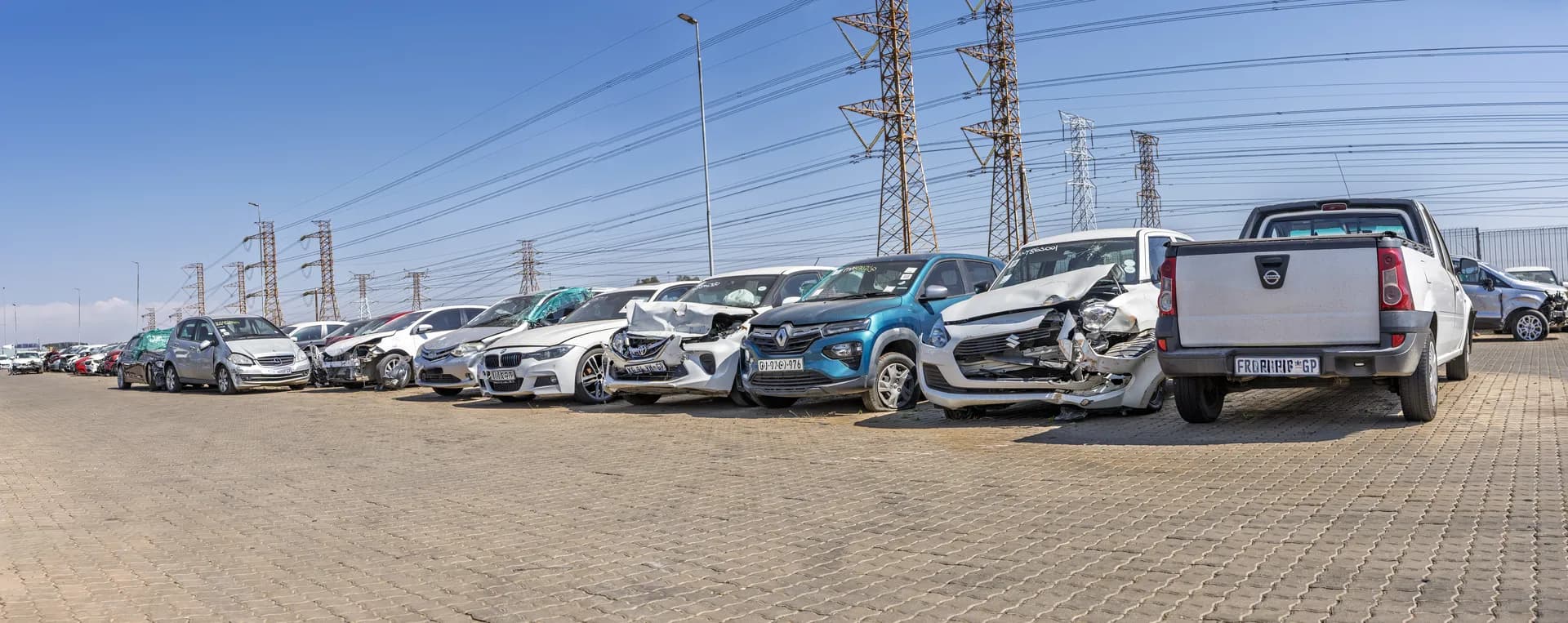
Local, practical steps
How to document damage, prepare papers and get a valuation in Mpumalanga.
Legal & paperwork
Transfer, deregistration and finance checks explained for South Africa.
Maximise your offer
Clear photos, full disclosure and lender details help secure better offers.
Overview: Selling salvage cars in Mpumalanga
If your vehicle is written off, salvage-damaged or non-running in Mpumalanga, understanding the local process helps you recover cash, close insurance matters and clear the vehicle from your name quickly. This guide explains when selling makes more sense than repairing, how offers are calculated, and practical steps specific to South African owners in towns such as Nelspruit (Mbombela), Ermelo and Witbank (Emalahleni).
When to sell vs repair
Deciding whether to repair a salvage vehicle or sell it depends on repair cost, roadworthiness, safety and the vehicle’s market value. In many salvage cases, repair costs exceed the retained market value or require complex structural work that affects long-term reliability. Selling to a specialist can be a faster, lower-risk option when repairs are costly or regulators require a re-inspection.
Repair cost vs value retained
| Situation | Typical repair cost (estimate, R) | Estimated retained market value after repair |
|---|---|---|
| Moderate front-end damage (non-structural) | R15,000 - R40,000 | 60%-80% of pre-accident value |
| Structural/frame damage | R30,000 - R120,000+ | Often 30%-60% of pre-accident value |
| Flood or fire damage | Varies widely; can be total loss | Often low to salvage-only value |
Note: Repair cost ranges are estimates for South Africa and will vary by workshop, parts sourcing and vehicle age. For a faster sale process and clarity on valuation, specialised buyers can inspect and offer a competitive cash offer without repair uncertainty. Learn more about how our process works on the About / How it works page.
Damage types and how they affect offers
| Damage type | Typical impact on offer | What buyers check |
|---|---|---|
| Front/rear non-structural | Moderate reduction | Panel, mechanicals, airbag deployment |
| Structural/frame damage | Significant reduction | Repair feasibility, alignment, history |
| Flood or water ingress | Often low salvage value | Electrical damage, corrosion risk |
| Fire damage | Usually low salvage value | Extent of heat damage, components lost |
For more on selling damaged or non-running cars, see our pages on Sell Damaged Cars and Sell Non-Running Car for specific examples of common scenarios and documentation advice.
How the selling process works (step-by-step)
A clear, standard sequence makes selling salvage vehicles straightforward across Mpumalanga. Typical steps are:
- Provide vehicle details and photos: make, model, year, odometer, description of damage, and clear images from multiple angles.
- Receive an initial valuation: buyers use market data, salvage demand and repair estimates to calculate an offer.
- Accept the offer: if you agree, paperwork is prepared and collection is scheduled.
- Collection and payment: the vehicle is towed (often free nationwide) and payment is released after completion of transfer documents.
Legal & paperwork in South Africa (Mpumalanga specifics)
Selling a salvage vehicle in South Africa requires clear ownership transfer and, where applicable, deregistration or a declaration of write-off for the insurer. In Mpumalanga you will deal with local licensing offices for any registration queries; buyers often assist by handling transfer forms and deregistration steps to reduce the admin burden on the seller.
Common documents needed
- Vehicle registration document (logbook) or proof of ownership
- ID or company documents if the vehicle is fleet-owned
- Signed transfer of ownership form and written sale agreement
- Proof of settlement if the vehicle is under finance (lender clearance may be required)
Tips to maximise your offer in Mpumalanga
- Provide clear, recent photos showing damage and the car’s VIN/chassis plate to speed valuation.
- Be upfront about mechanical issues and accident history - transparency avoids delays during collection and payment.
- Check if the vehicle is under finance; disclose lender details so the payout can be arranged correctly.
- Compare offers from reputable buyers and request written terms about towing and paperwork handling.
What happens after collection
After collection, the buyer typically completes transfer documents and, where relevant, assists with deregistration. Payment terms vary: many buyers release funds on collection and verification. For an overview of practical logistics and timelines, you can review our main site’s service summary at the Sell Your Damaged Car homepage, which outlines the typical flow from online valuation to payment.
Example scenarios (Mpumalanga)
Scenario 1: A 2010 bakkie with moderate front-end damage that is otherwise mechanically sound - seller chooses to sell because repair estimates approach the vehicle’s market value.
Scenario 2: A flood-damaged hatchback where electrical systems and interior are affected - specialist buyers may offer salvage-only value, and deregistration or salvage declaration can be required for insurance closure.
Final checks and practical notes
- Confirm whether towing is provided free and who arranges it; a free nationwide tow is common with specialist buyers.
- If the vehicle is under finance, do not transfer ownership without lender confirmation - ensure the payoff is processed correctly.
- Keep copies of all transfer documents and payment records for your taxes and records.
Further reading
For more detail on selling damaged cars and the specific admin we assist with, review our explanation of how the service works and the practical pages for selling damaged or non-running vehicles: Sell Damaged Cars and Sell Non-Running Car.
Sources
Seasoned automotive specialists dedicated to helping you turn your damaged or non-running vehicle into cash fast and hassle-free.
Disclaimer: This content is for educational purposes only. Product availability, pricing, and specifications are subject to change. Always verify current details on the retailer's website before making a purchase. We may earn affiliate commissions from qualifying purchases.
Why sell your damaged car to us?

A Division of Auction Nation, the leading expert in selling damaged cars

Best price for your damaged car

Get a cash offer within 24h

We buy damaged cars in any condition

We buy accident- damaged cars still under finance

Free, no obligation offer on your vehicle
How We Calculate Your Damaged Car’s Value
Wondering how we calculate your car’s value? At Sell Your Damaged Car, we look at: Your car’s real condition, its salvage value, and the current market demand. It’s all about honesty, transparency, and fairness — that’s how we determine your offer.
Frequently Asked Questions
Get answers to common questions about Selling Guides
Why Choose Sell Your Damaged Car?
Free Towing
Need a tow? We got you
Hassle Free
Get a cash offer within 24h!
Nationwide
Somewhere remote? No problem!
