
How to Sell a Fire-Damaged Car Fast in South Africa
Learn how to sell a fire-damaged car fast in South Africa: what affects offers, legal steps, paperwork (including deregistration and finance) and tips to speed the sale.
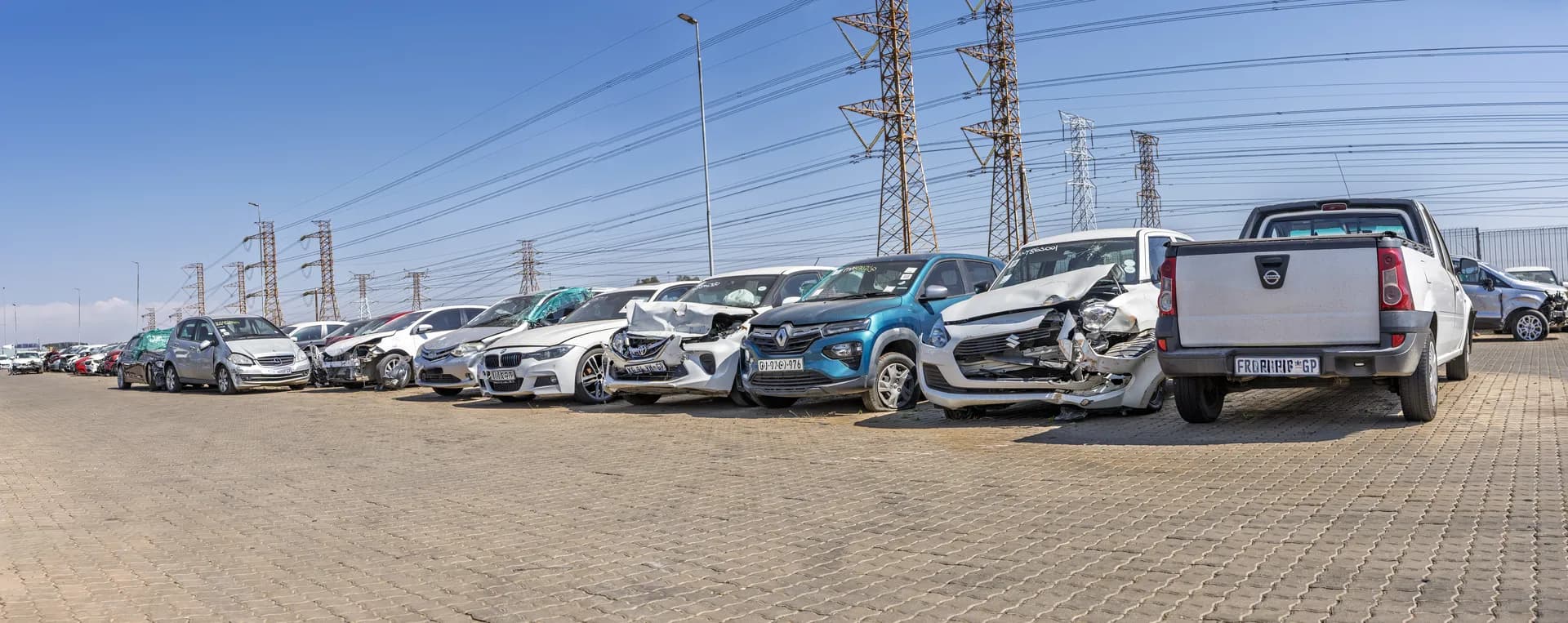
Sell Quickly, Reduce Costs
Turn fire-damaged vehicles into cash to avoid storage and repair uncertainty.
Prepare Accurate Details
Photos, VIN, and honest damage notes speed valuation and improve offers.
Nationwide, Paperwork Help
Specialist buyers handle towing, deregistration and finance coordination.
Overview: Selling a fire-damaged car fast
If your vehicle has sustained fire damage, you face decisions about repair, insurance and salvage value. Knowing how to sell a fire-damaged car fast helps you avoid storage costs, reduce ongoing risk and recover cash sooner. This guide explains practical steps for South African owners, what affects offers, and how a specialist buyer can simplify collection, deregistration and payment.
Key considerations before you sell
- Extent of fire damage: engine bay, interior, wiring and structural components carry different repair costs and salvage values.
- Insurance status: check whether the vehicle is a write-off under your policy and whether insurer settlement impacts your options.
- Finance: vehicles under finance require the lender’s settlement or written consent before transfer - this affects timing and paperwork.
Quick note: Selling quickly reduces ongoing costs and the chance of further deterioration. Specialist buyers in South Africa often offer free towing and handle deregistration and transfer admin, which speeds up the process.
When to sell vs repair a fire-damaged car
Deciding whether to repair a fire-damaged car or sell it depends on repair estimates versus the vehicle’s pre-damage market value, safety after repair, and the time you can wait. For many older or heavily damaged cars, selling to a specialist buyer is faster and less risky than organising repairs.
Repair cost vs value retained (example estimates for SA)
| Scenario | Typical repair cost (R, estimate) | Value retained after repair (%) |
|---|---|---|
| Minor interior/fire limited to upholstery | R5,000 - R20,000 | 70-85% |
| Engine bay or wiring damage | R20,000 - R80,000+ | 40-65% |
| Major structural/frame fire | Often uneconomical | 10-40% |
These ranges are illustrative for South African contexts and will vary by make, model and year. When repair costs approach or exceed a large proportion of pre-damage value, selling quickly is usually the most practical option.
How the fast sale process typically works
Specialist buyers who work with fire-damaged vehicles follow structured steps to keep sales fast and low-stress. Understanding these steps helps you prepare and avoid delays.
Common step-by-step flow
- Submit vehicle details and clear photos through an online form (make, model, year, description of fire damage).
- Receive an obligation-free cash offer based on photos, VIN, market and salvage demand.
- Accept the offer and schedule collection; many buyers provide free towing nationwide across South Africa, including Johannesburg, Cape Town and Durban.
- Buyer handles paperwork (deregistration, transfer, settlement with finance if needed) and releases payment after collection.
To see a typical company process and what documentation is handled, read the About/How it works page for industry-standard practices here.
If your vehicle is no longer running after the fire, there are specialised options; learn more about selling non-running cars on this page.
Legal & paperwork in South Africa
Selling a fire-damaged vehicle in South Africa requires clear paperwork to avoid future liability. Common elements include a signed registration certificate (if available), an official letter of sale, and declarations about the vehicle’s condition. If the car is under finance, the lender must be settled or provide written release before transfer can complete.
Deregistration, salvage titles and finance considerations
- Deregistration: many buyers handle deregistration on your behalf to speed up the process and remove administrative burden.
- Salvage/written-off status: insurers may mark a vehicle as a write-off; this affects future roadworthiness and resale but does not prevent salvage sale.
- Finance: expect a settlement process that may delay transfer; specialist buyers often liaise directly with lenders to streamline this.
Tips to maximise your offer
Use these practical steps to increase clarity for buyers and often improve the speed and competitiveness of offers when selling a fire-damaged car fast.
Practical checklist
- Take good photos: wide shots of the whole vehicle plus close-ups of affected areas, VIN and odometer.
- Provide accurate descriptions: note when the fire occurred, what parts were affected, and whether the vehicle starts.
- Gather documents: registration papers, service history and any insurer correspondence speed up verification.
- Declare finance: be upfront about any outstanding finance to avoid delays during transfer.
Damage types vs typical offer impact
| Damage type | Typical impact on offers |
|---|---|
| Superficial interior fire (seat/belts/panel scorch) | Lower reduction; buyers may expect modest repairs or salvage resale. |
| Engine bay/electrical fire | Significantly reduced offers; wiring and engine repairs are costly and complex. |
| Structural/frame fire | Severe reduction; often sold for parts or scrap rather than repair. |
What happens after collection
After you accept an offer and the vehicle is collected, expect the buyer to complete administrative steps and release payment. Many reputable buyers provide near-instant payment verification after collection and carry out deregistration or transfer processes. If the vehicle was under finance, the buyer may coordinate settlement with your lender and provide documentation showing the debt was cleared.
For general information about selling damaged vehicles and the kinds of cars typically accepted, our Sell Damaged Cars page provides context on accepted conditions and the service scope here. For an overview of the company process and customer experience, visit the homepage overview here.
Practical South Africa scenario
Example: a 2010 mid-size vehicle with engine bay fire in Johannesburg - repair quotes exceed R45,000 and insurer marks it as a partial write-off. Owner photographs damage, lists outstanding finance, and receives offers from specialist buyers. A buyer arranges free towing from a local depot, coordinates lender settlement, handles deregistration and transfers payment into the seller’s bank account within days of collection. This sequence illustrates how speed, transparency and correct documentation can shorten the sale timeline.
Sources
Seasoned automotive specialists dedicated to helping you turn your damaged or non-running vehicle into cash fast and hassle-free.
Disclaimer: This content is for educational purposes only. Product availability, pricing, and specifications are subject to change. Always verify current details on the retailer's website before making a purchase. We may earn affiliate commissions from qualifying purchases.
Why sell your damaged car to us?

A Division of Auction Nation, the leading expert in selling damaged cars

Best price for your damaged car

Get a cash offer within 24h

We buy damaged cars in any condition

We buy accident- damaged cars still under finance

Free, no obligation offer on your vehicle
How We Calculate Your Damaged Car’s Value
Wondering how we calculate your car’s value? At Sell Your Damaged Car, we look at: Your car’s real condition, its salvage value, and the current market demand. It’s all about honesty, transparency, and fairness — that’s how we determine your offer.
Frequently Asked Questions
Get answers to common questions about Damage Types
Why Choose Sell Your Damaged Car?
Free Towing
Need a tow? We got you
Hassle Free
Get a cash offer within 24h!
Nationwide
Somewhere remote? No problem!
