
How to Sell a Car Still Under Finance in South Africa - Step-by-Step Guide
Learn how to sell a financed car in South Africa: settlement options, lender consent, required documents and practical tips to speed transfer and protect yourself.
Understand Your Settlement
Get a written settlement figure from your lender before negotiating a sale.
Three Common Routes
Settle yourself, buyer pays lender directly, or use a specialist to manage payout.
Keep Paperwork Safe
Clearance letters, transfer forms and receipts are essential for a lawful transfer.
Overview: selling a financed vehicle in South Africa
If your vehicle is still under finance, it means a credit provider has a legal interest in the car until the debt is settled. This affects how you can sell the vehicle, who receives settlement funds and what paperwork is required for legal transfer. Understanding the typical steps and timelines reduces risk, protects both seller and buyer, and helps you avoid delays that can stall a sale.
Key options for owners
- Settle the outstanding finance before transfer (common and straightforward).
- Arrange for the buyer to pay the credit provider directly as part of the sale.
- Use a dealer or specialist buyer who will handle payout and transfer on your behalf.
Practical note: Many credit agreements show a notarial or registered instalment agreement on the vehicle's registration record. A bank or lender will usually provide a settlement figure and a clearance letter, which are central to a lawful transfer.
When to sell vs repair (for cars under finance)
If your financed car has damage or mechanical issues, first compare estimated repair cost to remaining finance and realistic resale value. Repairing can make sense when the repair cost is small relative to added resale value; selling may be preferable when repair costs push you into negative equity or when you need to remove the ongoing finance liability quickly.
| Scenario | Typical implication |
|---|---|
| Minor repairs (R3,000-R10,000) | Repair often increases resale value; likely easier to sell privately if equity exists. |
| Major repairs (R20,000+) | Consider selling as-is if repair costs exceed potential price uplift; expect lower offers. |
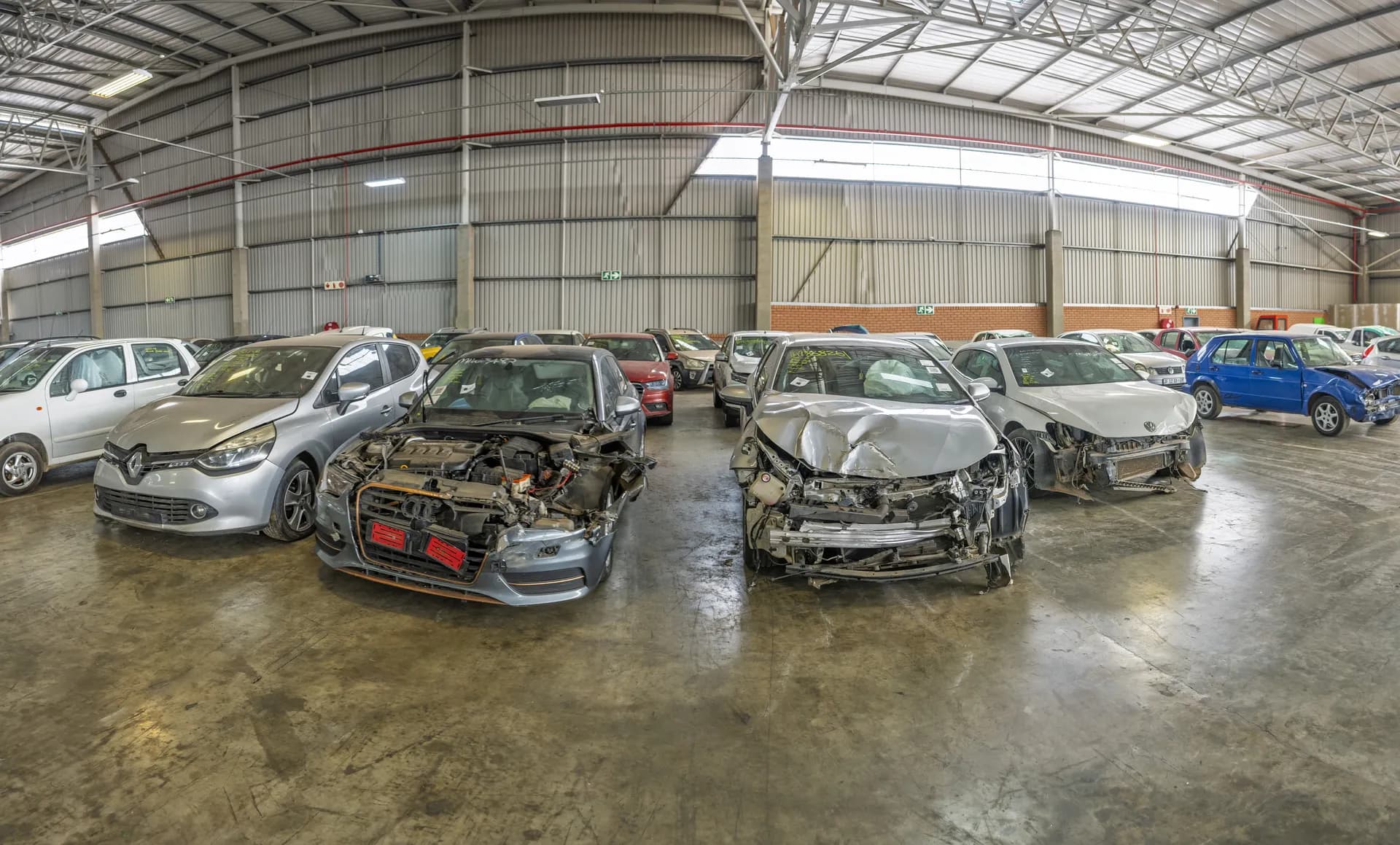
If you prefer not to manage payout and transfer, specialist buyers can simplify the process. For example, the Sell Your Damaged Car service offers nationwide support that includes paperwork handling and free collection; see their overview for more on how specialist buyers operate: About / How it works.
How the process generally works
Step-by-step flow
- Check your credit agreement and request a written settlement figure from your lender (includes interest to date and any fees).
- Decide how settlement will be handled: you pay, the buyer pays the lender directly, or a dealer/third party arranges payout.
- Obtain a clearance letter or proof of settlement from the lender before transferring ownership.
- Complete the transfer at an authorised registering authority or through a service that manages eNATIS transfer documentation.
For owners who want a simplified route, specialist buyers can provide a quote based on condition and coordinate settlement with your lender. If you want to explore selling a non-running or damaged financed vehicle, their process is explained on the Sell Non-Running Car and Sell Damaged Cars pages: Sell Non-Running Car and Sell Damaged Cars.
Typical documents you will be asked for
- ID document of the registered owner.
- Vehicle registration certificate or book (if held).
- Clearance letter or settlement statement from the credit provider.
- Signed transfer forms (available at registering authorities or completed by service providers).
Legal & paperwork specifics in South Africa
Under the National Credit Act, a credit provider holds a security interest until the debt is fully settled. That means the lender may need to release their interest before a clean transfer can be recorded with eNATIS. Always request a written settlement figure (the exact amount to clear the account) and get confirmation in writing when the account is paid out.
Common payout methods
- Bank transfer from seller to lender to settle the balance, followed by lender issuing a clearance letter.
- Buyer pays lender directly as part of the purchase; transfer only proceeds after lender confirms settlement.
- Third-party buyer or dealer pays the lender, coordinates transfer and pays any residual to the seller.
| Issue | Practical impact |
|---|---|
| Lender holds registration document | You may need the lender to release the document or provide a letter confirming the lien before transfer. |
| Negative equity (owing more than car value) | You will need to cover the shortfall or negotiate with the buyer/dealer who may accept the balance arrangement. |
Tips to maximise your offer when the vehicle is financed
- Get a current settlement figure in writing from your lender before negotiating; this prevents surprises and speeds up the transfer.
- Provide clear photos and service history to prospective buyers - full disclosure helps build trust and can increase offers.
- Consider specialist buyers who handle lender payout and documentation if you prefer a single point of contact.
- If you face negative equity, compare dealer trade-in figures against private sale possibilities to find the least-cost route.
What happens after collection or sale finalisation
After funds to clear the lender are confirmed, the lender issues a clearance letter or vertical endorsement, and transfer can be completed. The new owner is recorded with the registering authority and you should receive confirmation of transfer. Keep copies of all settlement receipts and transfer forms; these are important if questions arise later.
If you use a nationwide buyer or broker, they often manage collection and paperwork. For an introduction to how a managed service works and what they include, see the Sell Your Damaged Car homepage explanation: Sell Your Damaged Car - homepage. For an outline of their stepwise process, refer to their About / How it works page: About / How it works.
Example scenarios (South Africa, illustrative only)
- Owner A owes R75,000 on a financed car valued at R120,000. They settle the finance, obtain clearance, and transfer to a private buyer.
- Owner B owes R140,000 on a car worth R100,000 (negative equity). Options include paying R40,000 to settle the loan, negotiating a dealer trade-in that absorbs some balance, or arranging for a specialist buyer to handle settlement as part of the sale.
Final considerations and safeguards
- Never release the vehicle before the lender confirms settlement in writing and funds have been cleared.
- Obtain written confirmation of transfer from the registering authority or use a reputable handling service to ensure eNATIS records are updated.
- Be cautious with buyers who propose paying you in cash and handling lender payout informally - insist on direct payment to the credit provider or a verifiable escrow arrangement.
Where to get authoritative help
For questions about consumer credit rights and obligations, contact the National Credit Regulator or consult your credit agreement. If you need managed assistance to sell a financed vehicle in any condition, specialist services can coordinate lender payout, paperwork and collection - useful for owners in Johannesburg, Cape Town, Durban and nationwide.
Sources
Seasoned automotive specialists dedicated to helping you turn your damaged or non-running vehicle into cash fast and hassle-free.
Disclaimer: This content is for educational purposes only. Product availability, pricing, and specifications are subject to change. Always verify current details on the retailer's website before making a purchase. We may earn affiliate commissions from qualifying purchases.
Why sell your damaged car to us?

A Division of Auction Nation, the leading expert in selling damaged cars

Best price for your damaged car

Get a cash offer within 24h

We buy damaged cars in any condition

We buy accident- damaged cars still under finance

Free, no obligation offer on your vehicle
How We Calculate Your Damaged Car’s Value
Wondering how we calculate your car’s value? At Sell Your Damaged Car, we look at: Your car’s real condition, its salvage value, and the current market demand. It’s all about honesty, transparency, and fairness — that’s how we determine your offer.
Frequently Asked Questions
Get answers to common questions about Legal And Paperwork
Why Choose Sell Your Damaged Car?
Free Towing
Need a tow? We got you
Hassle Free
Get a cash offer within 24h!
Nationwide
Somewhere remote? No problem!
