
How to Recognise Odometer Fraud in South Africa: A Practical Guide
Learn how to spot odometer fraud in South Africa: checks to run, document verification, legal steps and practical examples for buyers and fleet owners.
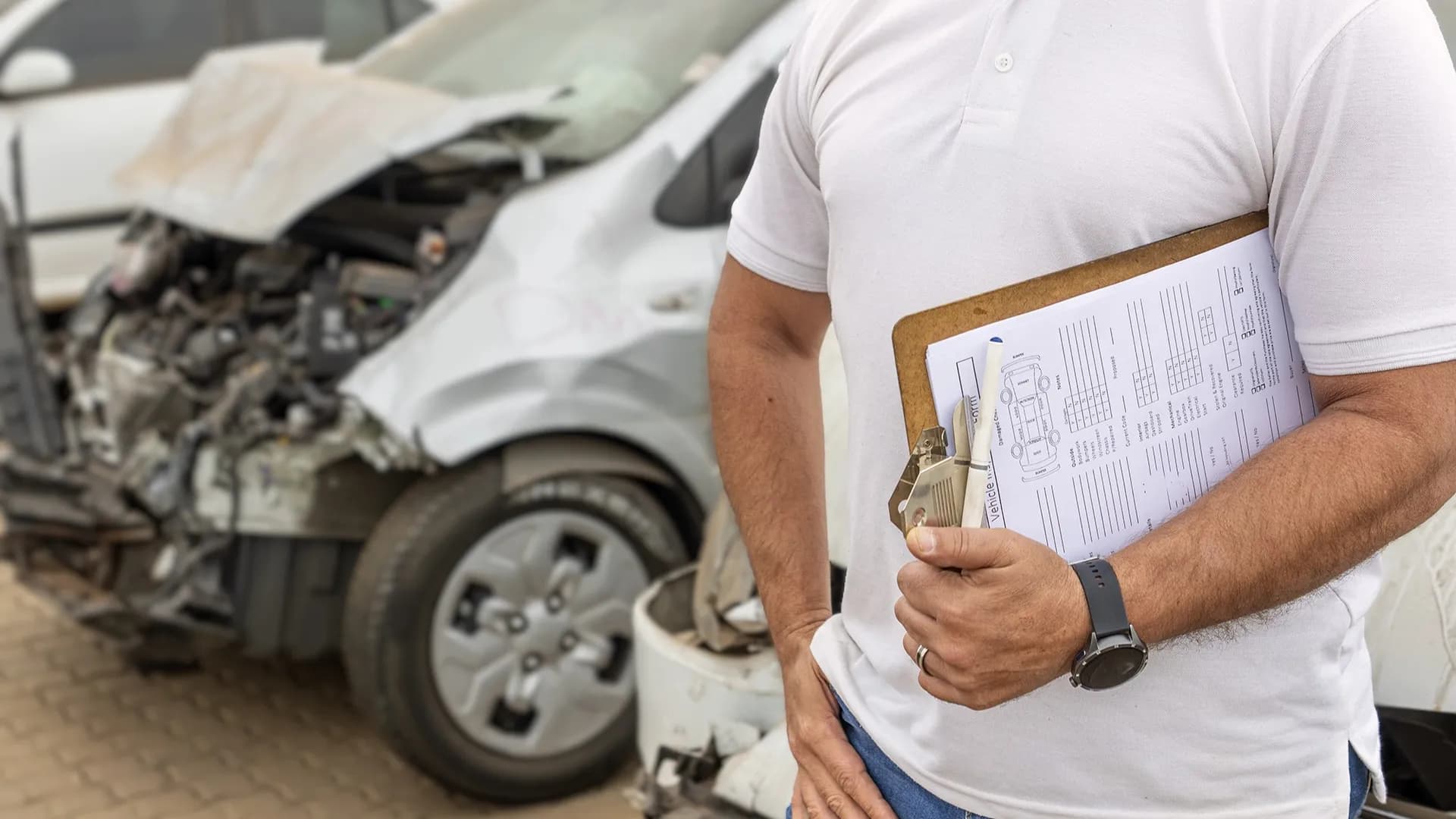
Spot the Signs Quickly
Check service records, interior wear and OBD data for inconsistent mileage.
Verify Before You Buy
Use independent inspections and official records to confirm true kilometres.
Know SA Legal Steps
Preserve documentation, report fraud to police and consumer authorities.
Overview: Why recognising odometer fraud matters
Odometer fraud (also called mileage rollback or clocking) is the deliberate alteration of a vehicle’s odometer to show fewer kilometres than the car has actually travelled. In South Africa this practice can distort resale value, hide wear-and-tear risks and expose buyers to unexpected repair costs. Knowing how to recognise odometer fraud helps private buyers and fleet managers avoid losses, report criminal behaviour and make informed decisions.
How odometer fraud typically happens
Modern odometer tampering may be mechanical (older vehicles) or electronic (OBD/ECU manipulations). Fraudsters often target vehicles with high demand or well-known models where small reductions in displayed mileage can create a large perceived value uplift.
Quick checks to begin with
- Compare the odometer reading with service and MOT records.
- Look for irregular wear: steering wheel, pedals, driver seat and carpets.
- Request an electronic mileage report where available (dealer history or certified service history).
Note: If you suspect odometer fraud in a car you own or are selling, document all evidence and avoid transferring ownership until the issue is clarified. Reporting suspected fraud to the police and consumer authorities protects you and future buyers.
When to sell vs repair (and what odometer fraud changes)
Discovering odometer fraud affects the sell/repair decision in several ways. For buyers, a car with hidden mileage may need a more thorough mechanical inspection; for sellers who inherit a clocked vehicle unknowingly, legal exposure and reduced market trust are the main concerns.
Considerations for private owners and fleet managers
- If you bought a car with tampered mileage and it has mechanical issues, keep all paperwork and report the matter to the seller and relevant authorities.
- If you inherited a vehicle and find inconsistencies, seek legal advice before selling; misrepresenting mileage can lead to liability.
- For fleet vehicles, implement routine digital checks and centralised service records to reduce exposure to mileage tampering.
How the verification process works
Verifying true mileage combines document checks, physical inspection and electronic diagnostics. Below is a practical sequence you can follow before purchasing or accepting a vehicle.
Step-by-step verification
- Ask for the full service history and cross-check recorded mileages at each service interval.
- Obtain an electronic vehicle history or mileage report from dealerships or certified suppliers where possible.
- Use an OBD scanner during inspection to detect stored mileage in the vehicle’s control modules; take the vehicle to a reputable workshop if you lack the tools.
- Compare tyre condition, brake wear and general interior/exterior wear against the odometer reading for consistency.
| Indicator | What it may mean | Suggested action |
|---|---|---|
| Service stamps show higher mileage than odometer | Probable odometer rollback | Request clarification, electronic records, and refuse sale until resolved |
| New tyres but very low mileage | Inconsistent with claimed use | Inspect wear on suspension and brakes; ask for receipts |
| Digital readouts reset or replaced | Possible tampering or replacement instruments | Require history from previous owner or certified inspection |
For additional context on vehicle history checks and honest dealer practices, see our About / How it works page and the homepage overview available at Sell Your Damaged Car for insight into documentation handling and secure transfers.
Legal & paperwork in South Africa
Odometer fraud is a criminal offence when done to deceive a buyer. In South Africa, consumers who suspect they were sold a vehicle with tampered mileage should preserve all paperwork, obtain independent inspection reports and report the matter to the police and consumer protection bodies. Keep copies of service records, receipts and any communications with the seller; these documents support complaints or civil claims.
Handling vehicles under finance
If a vehicle is still under finance, odometer discrepancies add complexity. Lenders may have records of earlier valuations and mileage: check your finance provider’s paperwork and inform them if fraud is suspected. Avoid transferring ownership until the finance and legal status are clear.
Tips to maximise clarity and protect your position
- Always ask for a full service history and cross-check dates and recorded kilometre entries.
- Use independent mechanics or certified inspection services to compare mechanical wear against reported mileage.
- Request OBD module checks; many modern vehicles retain mileage data in multiple modules that can be compared.
- When buying privately, meet at a mechanic or at a dealership that can verify records on the spot.
- For sellers, maintain complete, dated service records and be transparent with buyers to avoid disputes later.
| Check | Why it helps |
|---|---|
| Service stamps & receipts | Create a chronologic mileage trail that is harder to alter |
| OBD / electronic module readouts | Multiple electronic modules often store consistent mileage values |
| Independent mechanical inspection | Correlates wear against claimed kilometres |
What happens after you suspect or discover odometer fraud
If you discover a discrepancy, stop the transaction and collect as much evidence as possible. Report to the South African Police Service and the National Consumer Commission if you believe you were deliberately misled. For cars listed by businesses, request escalation to management and consider seeking advice from a consumer protection organisation. If you are selling a car and learn of past tampering, disclose this to buyers and seek legal advice.
If you plan to dispose of a vehicle with uncertain mileage - for example because the instrument cluster has been replaced or records are incomplete - services that buy damaged or problematic vehicles can handle paperwork, collection and transfer; see our pages on selling non-running vehicles and damaged cars for how paperwork and collection are typically managed: Sell Non-Running Car and Sell Damaged Cars.
Practical examples (South Africa scenarios)
Example 1 - Private purchase, Johannesburg: A buyer inspects a 2012 hatch with an odometer reading of 120,000 km but finds service stamps showing 200,000 km two years prior. The buyer requests an independent OBD check and pauses the purchase. The inspection confirms module mileage near 200,000 km and the sale is cancelled pending seller explanation.
Example 2 - Fleet sale, Cape Town: A small business notices uneven tyre wear across a batch of vehicles and inconsistencies in digital logs. They order a batch inspection and identify multiple clocked units, then report to authorities and amend procurement checks to require centralised service uploads.
Sources
- National Consumer Commission (South Africa) - Consumer protection guidance
- South African Police Service - Reporting crime and fraud
- Road Traffic Management Corporation - Vehicle and road user information
- Department of Transport (South Africa) - Policy and regulations
These sources provide official guidance on consumer rights, reporting procedures, and vehicle record-keeping in the South African context. Where figures are discussed (e.g., inspection costs), amounts vary by provider and region; obtain quotes in R from local mechanics or digital history services for accurate estimates.
Seasoned automotive specialists dedicated to helping you turn your damaged or non-running vehicle into cash fast and hassle-free.
Disclaimer: This content is for educational purposes only. Product availability, pricing, and specifications are subject to change. Always verify current details on the retailer's website before making a purchase. We may earn affiliate commissions from qualifying purchases.
Why sell your damaged car to us?

A Division of Auction Nation, the leading expert in selling damaged cars

Best price for your damaged car

Get a cash offer within 24h

We buy damaged cars in any condition

We buy accident- damaged cars still under finance

Free, no obligation offer on your vehicle
How We Calculate Your Damaged Car’s Value
Wondering how we calculate your car’s value? At Sell Your Damaged Car, we look at: Your car’s real condition, its salvage value, and the current market demand. It’s all about honesty, transparency, and fairness — that’s how we determine your offer.
Frequently Asked Questions
Get answers to common questions about Tips And Advice
Why Choose Sell Your Damaged Car?
Free Towing
Need a tow? We got you
Hassle Free
Get a cash offer within 24h!
Nationwide
Somewhere remote? No problem!
