
How to Price My Car for Private Sale in South Africa: A Step-by-Step Guide
Discover step-by-step strategies to price your damaged, non-running, or written-off car for private sale across South Africa. Get data-driven, safe, and practical advice.
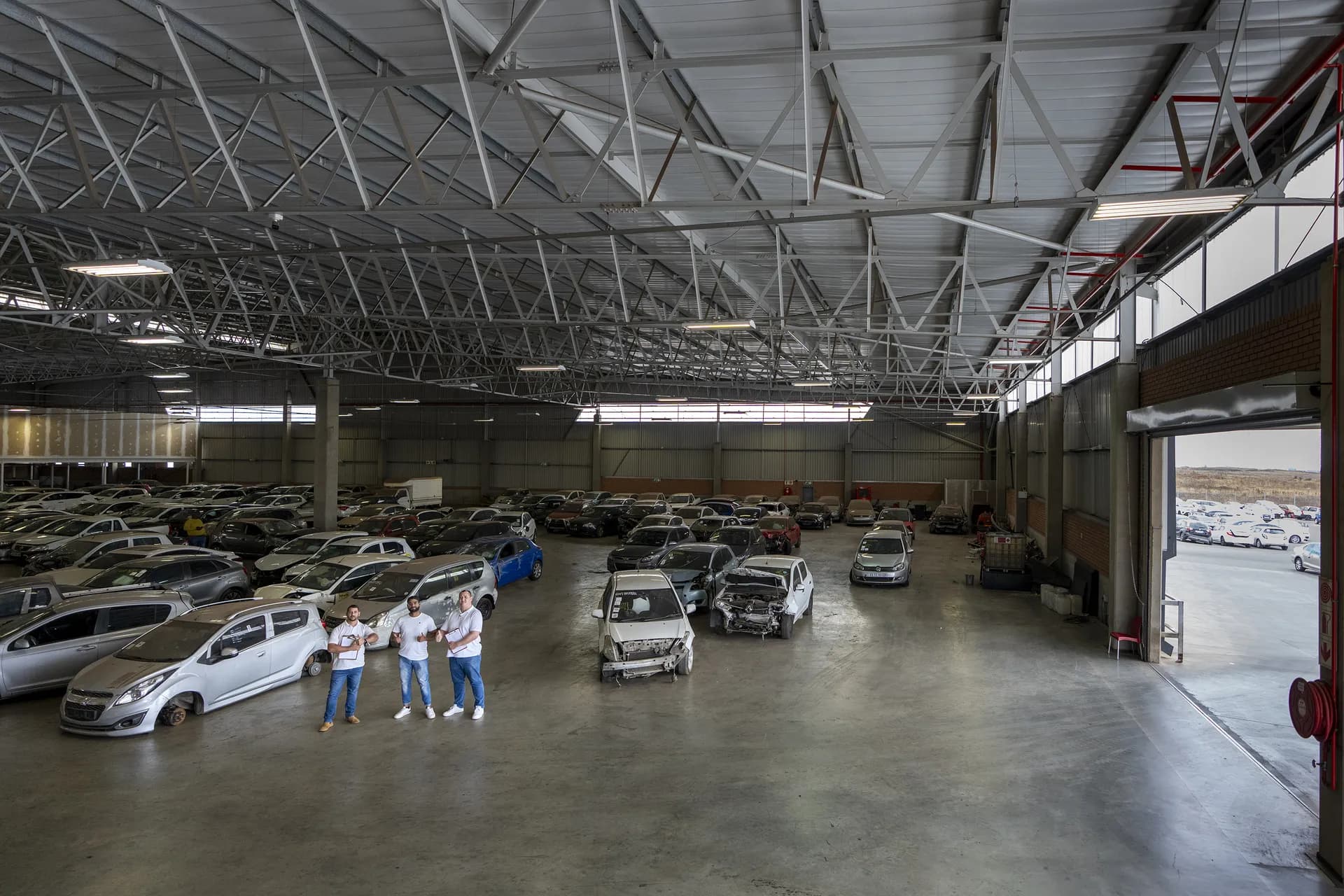
Overview: Why Accurate Pricing Matters
Pricing your car correctly for a private sale in South Africa is key to selling it quickly, avoiding lowball offers, and complying with all regulations. Whether your vehicle has accident damage, mechanical fault, is not running, or written off, an informed pricing strategy makes the difference between a deal and endless time-wasting. This guide breaks down each step with South-African context and tips for vehicles in less-than-perfect condition.
Step 1: Gather Essential Car Details
- Make, model, year, and mileage (kilometres, not miles)
- Clear record of all damage (accident, mechanical, fire, flood, etc.)
- Service and ownership history
- Details of working and non-working features
Buyers expect full disclosure; providing all details and good photos can help justify your asking price-even with visible damage.
Step 2: Research the Market
Start by searching car listing platforms popular in SA (such as AutoTrader, Cars.co.za, and Gumtree) for vehicles like yours. Look for similar:
- Brand, model, and year
- Condition (damaged/non-running/accident versus clean cars)
- Kilometres and location (major cities like Johannesburg, Cape Town, and Durban often attract higher demand)
Note the range of asking prices. Remember, vehicles in poor condition may only fetch a fraction of "book" or retail value.
Step 3: Factor in Damage and Repairs
Serious accident, mechanical, or flood damage significantly lowers resale value. Use the table below to see typical value impacts based on common South African scenarios:
| Damage Type | Typical Offer Impact (%) | Example (R100,000 car) |
|---|---|---|
| Minor panel/bumper | -10% to -20% | R80,000 - R90,000 |
| Major accident repair needed | -30% to -50% | R50,000 - R70,000 |
| Engine/gearbox failure | -40% to -60% | R40,000 - R60,000 |
| Non-running/salvage | -60% to -80% | R20,000 - R40,000 |
These are typical ranges for South Africa and can fluctuate based on demand for salvage parts, age of vehicle, and overall market trends.
Step 4: Compare Sale Options
Private sale isn't your only option. You might also consider trade-in, selling to a salvage specialist, or direct instant sale services. Each has different value impacts and hassle factors:
| Sale Method | Average Price | Time/Complexity |
|---|---|---|
| Private (DIY) | Near market value (net) | High (viewings, negotiation, admin) |
| Trade-in at dealer | Lower (offers reflect risk) | Moderate |
| Specialist "damaged car" service | Competitive (very damaged cars) | Low (quick process, admin handled) |
If you value convenience-like free nationwide towing, help with admin, and near-instant payment-specialist services may offset a slightly lower offer by saving time and stress, particularly for accident-damaged, non-running, or written-off vehicles. (See: Sell Damaged Cars, Sell Non-Running Car).
Step 5: Set a Realistic, Competitive Price
- Price slightly above the lowest market value for similar cars-leave room to negotiate.
- Be honest and transparent about all faults; South African buyers may physically inspect and query all issues.
- Check if the vehicle is subject to finance or code status (Code 2 = used, Code 3 = rebuilt, Code 4 = demolition/scrap).
Step 6: Prepare for Inquiries and Offers
Expect negotiation and factor this into your price. Private buyers often start well below asking price, particularly for damaged or salvage vehicles.
For safety and authenticity, always check buyer credentials, meet in safe locations, and ensure payment clears before handing over the car and paperwork. See our guide: How to Avoid Being Scammed.
Summary: Key Steps to Price Your Car Right
- Gather all facts and photos about your car's condition.
- Compare similar listings and note how damage level affects pricing, especially in metropolitan and nationwide SA contexts.
- Account for repair costs, expected negotiation, and legal obligations.
- Choose a sale method balancing price with convenience and speed.
- Prioritise safety, legality, and transparency throughout the process.
Sources
Seasoned automotive specialists dedicated to helping you turn your damaged or non-running vehicle into cash fast and hassle-free.
Disclaimer: This content is for educational purposes only. Product availability, pricing, and specifications are subject to change. Always verify current details on the retailer's website before making a purchase. We may earn affiliate commissions from qualifying purchases.
Why sell your damaged car to us?

A Division of Auction Nation, the leading expert in selling damaged cars

Best price for your damaged car

Get a cash offer within 24h

We buy damaged cars in any condition

We buy accident- damaged cars still under finance

Free, no obligation offer on your vehicle
How We Calculate Your Damaged Car’s Value
Wondering how we calculate your car’s value? At Sell Your Damaged Car, we look at: Your car’s real condition, its salvage value, and the current market demand. It’s all about honesty, transparency, and fairness — that’s how we determine your offer.
Frequently Asked Questions
Get answers to common questions about Tips And Advice
Why Choose Sell Your Damaged Car?
Free Towing
Need a tow? We got you
Hassle Free
Get a cash offer within 24h!
Nationwide
Somewhere remote? No problem!
