
How to Price a Hail-Damaged Car in South Africa - Practical Guide
Learn how to assess hail damage, estimate repair costs, compare repair vs sell, and prepare documentation to get a fair cash offer in South Africa.
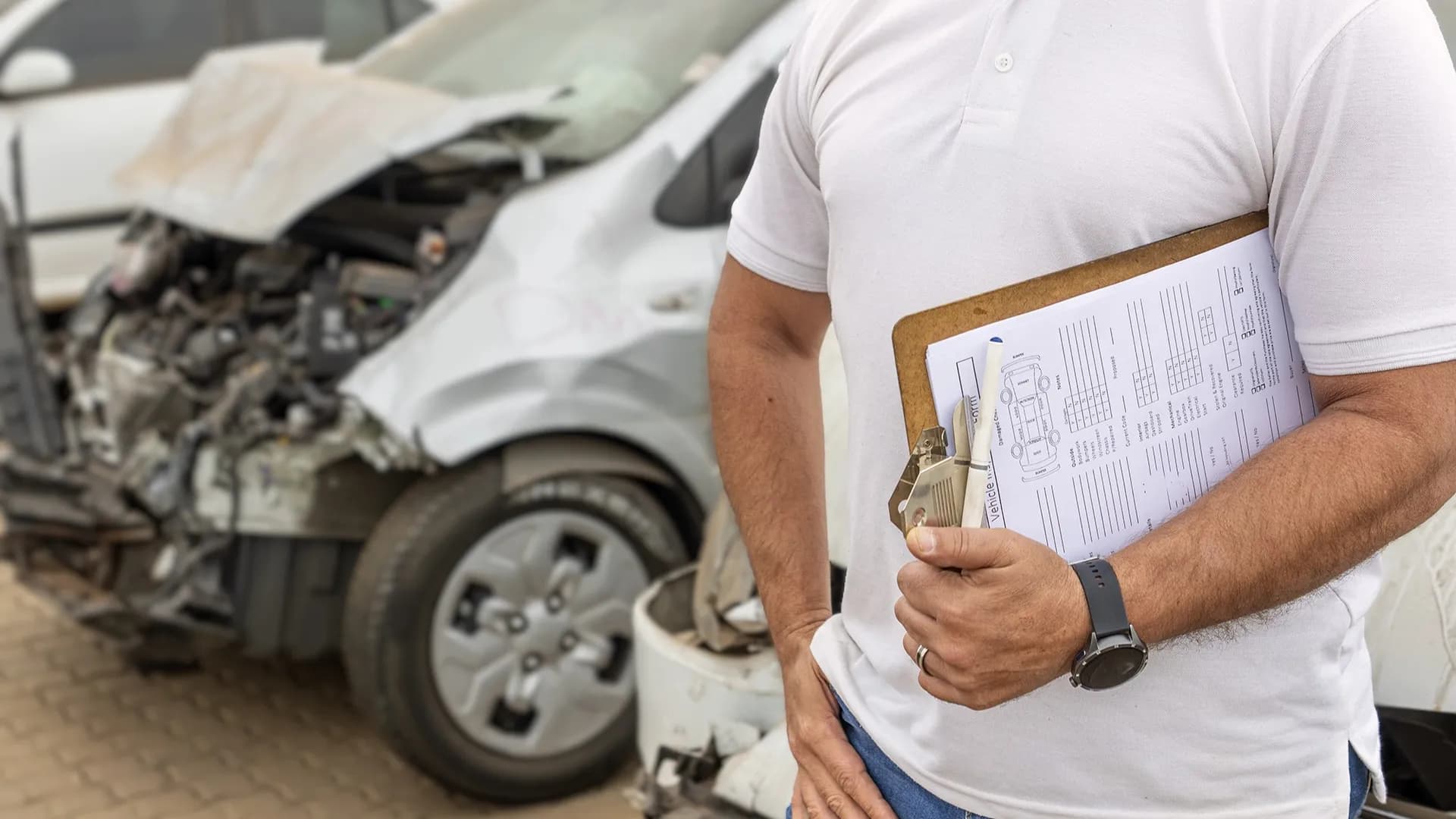
Assess Damage Carefully
Photos, panel estimates and market value form the basis of a fair price.
Compare Repair vs Sell
If repair costs approach market value, selling as-damaged is often smarter.
Use Buyers Who Handle Logistics
Free towing and paperwork can speed sale and reduce hidden costs.
Overview: pricing a hail-damaged car in South Africa
Knowing how to price a hail-damaged car in South Africa starts with a clear assessment of damage, local market demand for salvage, and realistic repair-cost estimates. Hail damage ranges from light dents affecting paint to structural issues that reduce vehicle integrity. This guide helps private owners and small fleet managers in Johannesburg, Cape Town, Durban and surrounding areas decide whether to repair or sell, and how to reach a fair cash expectation.
Quick checklist before you price
- Document the damage with multiple clear photos (roof, bonnet, doors, glass).
- Get a written estimate from a trusted panel-beater or bodyshop - in South Africa estimates often vary by region and parts availability.
- Check if the vehicle is finance-encumbered and get lender consent options if required.
- Compare repair cost to current market value (list and trade prices) to understand retained value.
Note: repair quotes in South Africa are estimates - always treat predicted costs as ranges (e.g., R5,000-R25,000) depending on severity and parts sourcing.
Repair cost vs value retained (example table)
| Estimated repair cost (R) | Typical effect on vehicle value | Seller consideration |
|---|---|---|
| 0 - 8,000 | Minor dents; most retail value retained | Repair often cost-effective before sale |
| 8,000 - 25,000 | Moderate damage; visible but repairable | Compare repair cost vs expected uplift in sale price |
| 25,000+ | Extensive panel/structure work or glass replacement | Often better to sell as-damaged to a buyer who handles salvage |
When to sell the hail-damaged car versus repair
Deciding whether to repair or sell hinges on three core factors: repair cost, expected resale uplift, and how quickly you need cash or space. If repair cost approaches or exceeds 30-50% of open market value (depending on model and age), selling as-damaged is frequently the more pragmatic option. For older vehicles with high mileage, buyers in the salvage market may offer competitive cash without you paying for towing or admin.
Practical South Africa examples
- A 2010 hatchback with R20,000 estimated repairs but a market value of R60,000 - repair may be marginal; selling to a cash buyer avoids delay and further depreciation.
- A near-new model with minor dents and paint damage: investing R7,000 may restore retail value and a private sale could recoup costs.
If you decide to sell rather than repair, using a specialist buyer that handles free towing and paperwork removes logistic and administrative hurdles. For more on services and process, see our About / How it works page.
How the valuation process works for hail damage
A fair valuation balances objective condition assessment with local salvage demand. Typical steps a buyer will follow when pricing hail damage:
- Review photos and details you upload (clear images speed up a reliable quote).
- Consider the vehicle’s make, model, year, mileage and current market value in South Africa.
- Estimate repair costs (panel, paint, glass) and adjust for salvage demand regionally.
- Produce a transparent offer showing the rationale (condition, market value, salvage interest).
To start the valuation quickly, use our online form to Sell Damaged Cars - uploading multiple angles of hail damage yields a more accurate quote.
Legal & paperwork considerations in South Africa
Selling a hail-damaged car in South Africa requires attention to deregistration, outstanding finance and accurate disclosure. If the vehicle is bonded, you must settle or arrange settlement with the lender before transfer. Buyers who purchase salvage commonly assist with deregistration and transfer paperwork - this reduces administrative burden for sellers in Cape Town, Johannesburg and Durban alike.
Damage types vs typical offer impact
| Damage type | Typical impact on offer | Notes for sellers |
|---|---|---|
| Surface dents / cosmetic | Minor reduction | Provide photos of undamaged mechanics and interior |
| Panel and paint replacement | Moderate reduction | List estimated parts availability and labour quotes |
| Glass or roof structure affected | Significant reduction | Structural issues can move vehicle to salvage classification |
Tips to maximise your offer for hail damage
- Provide organised documentation: date of incident, any repair estimates, and a full photo set.
- Be transparent about prior repairs or underlying mechanical faults - honesty shortens sale time.
- If the interior and drivetrain are clean and mechanically sound, highlight this in your listing - buyers pay more for usable parts and engines.
- Consider multiple quotes from salvage buyers and compare inclusions like free towing, paperwork help and payment timing.
If your vehicle does not start or has significant hail-related structural damage, see our Sell Non-Running Car guidance for steps specific to non-starters. For a quick overview of our process and guarantees on towing and paperwork, check the homepage.
What happens after you accept a cash offer
A typical post-acceptance workflow with a specialist buyer operating across South Africa includes scheduling free towing, completing transfer and deregistration paperwork, and releasing payment. Expect the buyer to confirm collection details for major metros (Johannesburg, Cape Town, Durban) and arrange collection from many surrounding areas. Payment timing can vary; ask the buyer for clear verification steps and a payment timeline.
Experience-based example
A fleet manager in Durban who received three quotes chose a buyer that included free towing and handled lender payoff - this reduced total time off-road and removed the need to coordinate multiple vendors.
Sources
- AA South Africa - Vehicle repairs and valuation guidance
- Road Traffic Management Corporation (RTMC) - Registration and transfer information
- Department of Transport (South Africa) - Policy and vehicle regulation
Final note: when working out how to price a hail-damaged car in South Africa, use conservative repair estimates, document everything, and seek offers that include logistics and paperwork support to reduce time and uncertainty.
Seasoned automotive specialists dedicated to helping you turn your damaged or non-running vehicle into cash fast and hassle-free.
Disclaimer: This content is for educational purposes only. Product availability, pricing, and specifications are subject to change. Always verify current details on the retailer's website before making a purchase. We may earn affiliate commissions from qualifying purchases.
Why sell your damaged car to us?

A Division of Auction Nation, the leading expert in selling damaged cars

Best price for your damaged car

Get a cash offer within 24h

We buy damaged cars in any condition

We buy accident- damaged cars still under finance

Free, no obligation offer on your vehicle
How We Calculate Your Damaged Car’s Value
Wondering how we calculate your car’s value? At Sell Your Damaged Car, we look at: Your car’s real condition, its salvage value, and the current market demand. It’s all about honesty, transparency, and fairness — that’s how we determine your offer.
Frequently Asked Questions
Get answers to common questions about Tips And Advice
Why Choose Sell Your Damaged Car?
Free Towing
Need a tow? We got you
Hassle Free
Get a cash offer within 24h!
Nationwide
Somewhere remote? No problem!
