
How to Price a Hail-Damaged Bakkie in SA - Practical Valuation Guide
Learn a South Africa-focused method to estimate repair costs, compare market value and decide whether to repair or sell your hail-damaged bakkie. Includes tables, examples in R, and SA-specific paperwork notes.
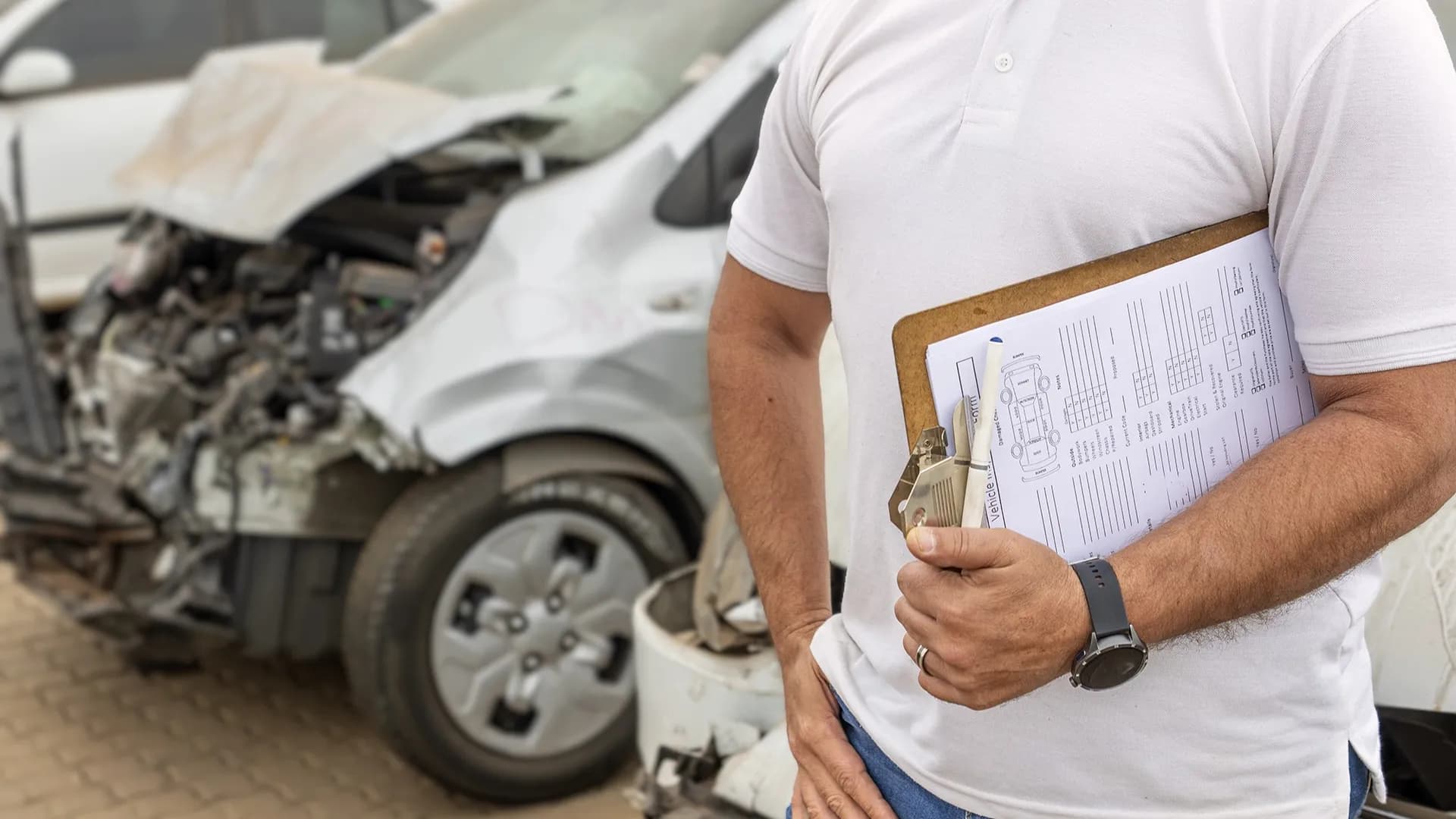
Assess Damage Carefully
Extent of dents, roof and glass damage drives valuation.
Compare Repair vs Sell
Use repair estimates in R and market value to decide.
Mind SA Paperwork
Confirm finance, deregistration and choose buyers who handle admin.
Overview: pricing a hail-damaged bakkie in South Africa
Pricing a hail-damaged bakkie requires balancing repair costs, market demand for the model, and the local salvage market. Factors such as the extent of panel denting, roof integrity, glass damage, paint condition and any underlying mechanical or electrical issues all affect value. In South Africa, buyers and salvage yards also consider parts availability and popular models (for example, Hilux, Amarok or Mazda bakkies) when making offers.
This guide explains how to assess damage, estimate repair costs in R, compare those costs to market value, and use that information to set a realistic asking price or decide to sell. It also explains paperwork and practical steps specific to South Africa, including free towing and deregistration options when using a professional buyer.
Key variables that determine price
- Extent of hail impact: small dents on panels versus roof deformation or structural damage.
- Age, mileage and model desirability in the South African market.
- Repair cost estimates from reputable panelbeaters and paintless dent repair specialists.
- Local salvage demand and parts resale value.
- Legal status: written-off, insured claim history or vehicles under finance.
Practical note: If you prefer to avoid arranging transport and paperwork, a buyer that offers free towing and handles deregistration can simplify the sale-see our About page for how the process works About / How it works.
Repair cost vs market value: a quick decision rule
A common rule of thumb is to compare the lowest reliable repair estimate to current private-sale market value for the same year, model and mileage. If repair costs approach a significant portion of the market value, selling as-is may be preferable. Below are illustrative ranges (estimates only) to help you judge whether to pursue repairs or sell.
| Scenario | Repair cost (R) - typical range | Likely impact on private-sale value |
|---|---|---|
| Minor panel dents (bonnet, doors) | R3,000 - R15,000 | Low-to-moderate |
| Multiple panels + glass chips | R15,000 - R45,000 | Moderate |
| Roof damage or frame-related dents | R40,000 - R120,000+ | High |
Example (illustrative): a 2015 mid-range bakkie with market value around R220,000 might only justify repairs under R40,000 - beyond that, selling as-is often becomes financially sensible. All numbers are estimates and will vary by region (Cape Town, Johannesburg, Durban) and model demand.
When to repair vs when to sell
Deciding whether to repair or sell depends on more than cost: insurance status, how long you plan to keep the vehicle, and the type of buyer available matter. Use the decision points below to guide your choice.
Repair may make sense if
- Damage is cosmetic and repair estimates are a small fraction of current market value.
- You plan to keep the bakkie long-term and repairs restore reliable use.
- Your insurer will cover repairs with acceptable excess and no major premium impact.
Selling as-is may make sense if
- Repair estimates are high relative to market value (for example, over ~30-50% of market value).
- You want a fast, low-hassle solution and prefer a competitive cash offer instead of managing repairs and resale.
- The vehicle is written off by an insurer or has complex structural damage.
For help understanding the sale route for non-running vehicles, see our dedicated guidance on selling non-running vehicles Sell Non-Running Car.
How the valuation and sale process works - practical steps
A transparent valuation process improves confidence and usually yields a better outcome. Typical steps used by experienced buyers and salvage specialists in South Africa are:
- Photograph the vehicle: multiple angles of panels, roof, glass, VIN plate and odometer.
- Get at least one independent repair estimate to understand realistic costs in R.
- Request offers from buyers who detail inclusions (free towing, paperwork handling, deregistration).
- Compare offers against your repair-plus-resale scenario and consider time, effort and risk.
Damage types vs typical offer impact
| Damage type | Typical effect on offer | Notes for bakkies |
|---|---|---|
| Surface dents, no paint cracking | Low-to-moderate reduction | Often repairable with paintless dent repair if panels undistorted. |
| Multiple panels + chipped glass | Moderate reduction | Glass replacement and repainting increase costs quickly. |
| Roof or structural deformation | High reduction | Buyers factor in complex repairs and potential safety concerns. |
Legal, finance and paperwork considerations in SA
Before agreeing any sale, confirm the vehicle's legal status. Important points for South African sellers:
- Vehicles under finance: most sales require the financier's consent. Sale proceeds are often used to settle outstanding debt - confirm the settlement figure before transfer.
- Deregistration and transfer: a licensed buyer or agent can assist with eNaTIS-related transfer or deregistration steps to ensure the vehicle is correctly recorded as sold.
- Documentation typically required: South African ID, vehicle registration details (if available), and proof of ownership or finance settlement instructions.
If you want a buyer who handles collection and paperwork, consider options that explicitly include free nationwide towing and full admin handling; more details about our scope of service and national coverage are on the Sell Damaged Cars information page Sell Damaged Cars.
Tips to maximise your offer
- Provide clear, recent photos showing VIN/chassis and odometer to build trust with buyers.
- Gather maintenance records-proof of recent service can increase buyer confidence.
- Be candid about prior claims and mechanical issues-honesty speeds negotiations and avoids later disputes.
- Obtain multiple offers and compare inclusions (towing, paperwork, timing of payment).
Repair cost vs value retained (example ranges)
| Repair cost (R) | Estimated uplift in sale value | When repair is usually worth it |
|---|---|---|
| R3,000 - R15,000 | R5,000 - R20,000 | Minor dents; typically worth repairing for private sale. |
| R15,000 - R45,000 | R10,000 - R40,000 | Multiple panels - compare effort vs a competitive cash offer. |
| R45,000+ | Variable - often less than repair cost | Usually sell as-is; repair rarely recovers full cost. |
What happens after collection
After you accept an offer from a professional buyer, the typical flow in South Africa is: collection arranged (often free nationwide towing), on-site or depot inspection, paperwork and transfer or deregistration processed, and payment released. If the vehicle is under finance, the buyer will coordinate settlement with the financier so ownership can transfer cleanly.
If you want to explore a streamlined sale with nationwide collection and full admin handling, you can start the process from the homepage for details about uploading your vehicle information Sell Your Damaged Car homepage.
Sources
- Automobile Association South Africa - Advice on accident and insurance considerations
- National Department of Transport - Vehicle registration and transfer information
- South African Insurance Association - Industry guidance on vehicle claims and salvage
This guide aims to help South African bakkie owners make an informed decision about pricing hail damage. Values and repair estimates are indicative - always obtain local quotes and consider offers that include nationwide towing and paperwork handling for a smoother outcome.
Seasoned automotive specialists dedicated to helping you turn your damaged or non-running vehicle into cash fast and hassle-free.
Disclaimer: This content is for educational purposes only. Product availability, pricing, and specifications are subject to change. Always verify current details on the retailer's website before making a purchase. We may earn affiliate commissions from qualifying purchases.
Why sell your damaged car to us?

A Division of Auction Nation, the leading expert in selling damaged cars

Best price for your damaged car

Get a cash offer within 24h

We buy damaged cars in any condition

We buy accident- damaged cars still under finance

Free, no obligation offer on your vehicle
How We Calculate Your Damaged Car’s Value
Wondering how we calculate your car’s value? At Sell Your Damaged Car, we look at: Your car’s real condition, its salvage value, and the current market demand. It’s all about honesty, transparency, and fairness — that’s how we determine your offer.
Frequently Asked Questions
Get answers to common questions about Damage Types
Why Choose Sell Your Damaged Car?
Free Towing
Need a tow? We got you
Hassle Free
Get a cash offer within 24h!
Nationwide
Somewhere remote? No problem!
