
How to Prepare Photos for an Online Car Sale - Step-by-Step Guide
Step-by-step guide on how to prepare photos for an online car sale in South Africa. Tips on lighting, angles, edits, file sizes and examples for faster, trusted listings.
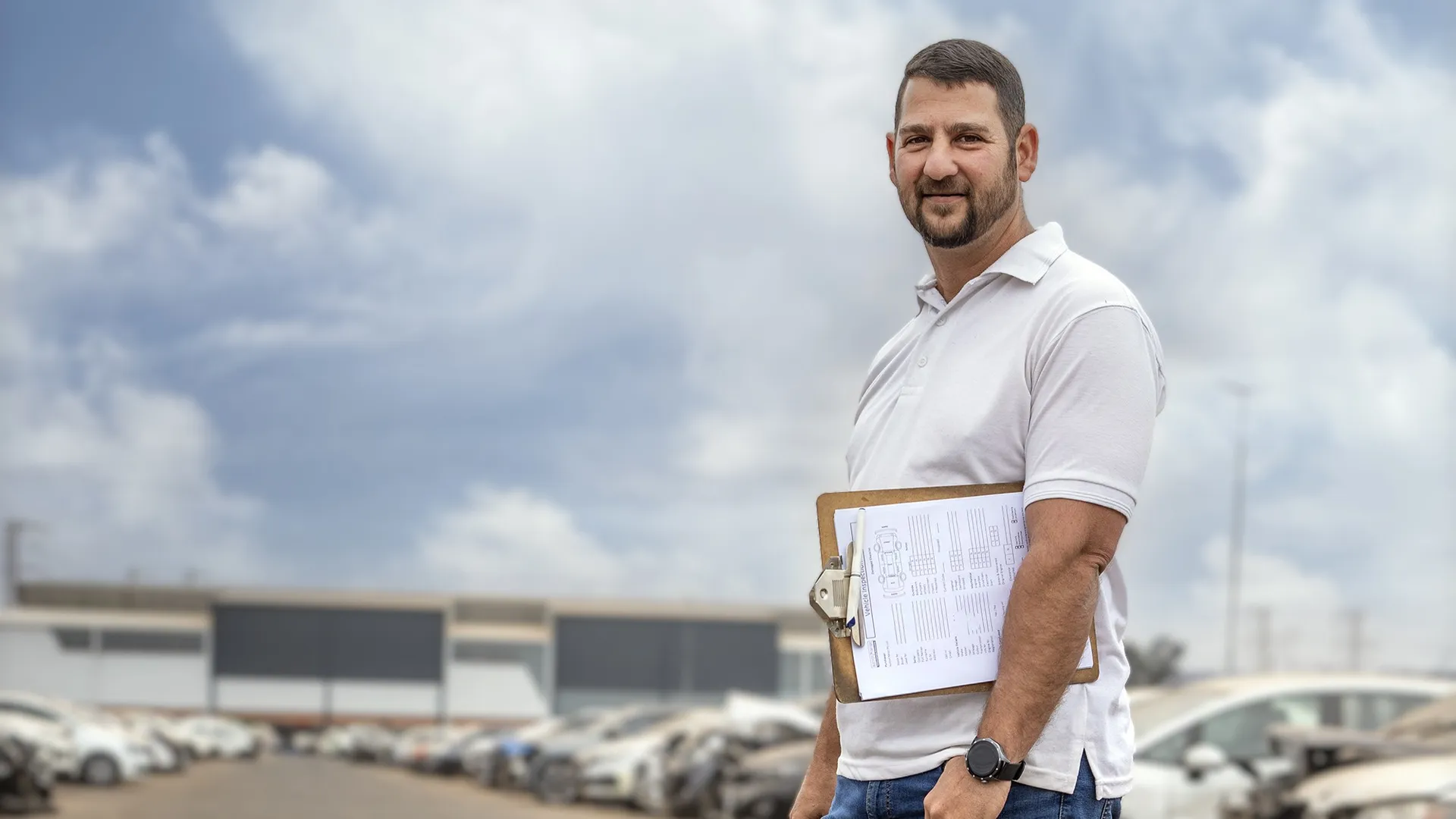
Key Photo Shots
Full exterior, interior, odometer, engine bay and close-ups of damage.
Smartphone Tips
Use natural light, gridlines, high resolution and avoid digital zoom.
Organise & Caption
Order images logically and add honest captions to reduce queries.
Overview: Why good photos matter for online car sales
When selling a car online, your photos are often the first impression a buyer gets. Clear, well-lit images that accurately show condition, damage and maintenance details reduce questions, cut viewing time and improve the chance of a quick, competitive sale. This guide explains how to prepare photos for online car sale, with practical steps tailored to South African sellers - from smartphones to basic editing.
Before you start: gather tools and set expectations
You don’t need professional gear. A recent smartphone, a clean area with good daylight, a few cloths to wipe surfaces and a charged battery are enough. Plan to capture both overall shots and close-ups of wear, service items and any damage. Be honest: accurate photos build trust and speed the process.
Essential photo list (what to capture)
- Exterior: 8-10 wide-angle shots (front, rear, both sides, 3/4 angles).
- Wheels & tyres: each wheel and tread condition.
- Interior: dashboard, front seats, rear seats, roof liner and boot/boot space.
- Odometer and service stickers/records.
- Close-ups: paint chips, dents, rust, scratches, windscreen cracks, and any mechanical leaks.
- Engine bay and under-boot area where applicable.
Pro tip: Buyers often skip listings with few or poor photos. Good coverage reduces time-wasters and improves trust.
Composition, lighting and background
Aim for neutral, uncluttered backgrounds. Park the car on a clean surface - a driveway or quiet street works well. Avoid direct midday sun that creates harsh shadows; early morning or late afternoon (golden hour) gives softer light. Use natural light where possible and turn on interior lights to show details. Keep the camera at roughly hip height for balanced perspective.
Smartphone settings and technical tips
- Turn on gridlines to help level horizons and keep the car straight in the frame.
- Use the highest resolution and automatic HDR for balanced exposure.
- Avoid digital zoom; move closer physically or crop later to preserve quality.
- Take multiple shots of the same angle to choose the clearest one.
Photos to support honesty and compliance
Include images of the odometer, service book or receipts and visible VIN/chassis number when appropriate. These build confidence with buyers and can speed up offers. If your vehicle is non-running or damaged, accurate photos of the affected areas are essential - they inform realistic expectations and reduce back-and-forth.
Quick visual comparison: repair cost vs value retained
| Typical Repair | Estimated South Africa R Range (example) | Value Retained (approx.) |
|---|---|---|
| Minor dent & paint touch-up | R1,000 - R5,000 (estimate) | High (small uplift) |
| Panel replacement / structural repair | R8,000 - R40,000 (estimate) | Variable (depends on market) |
| Engine/transmission rebuild | R10,000 - R80,000+ | Often low uplift vs cost |
These figures are illustrative estimates for South Africa. When preparing photos, focus on clear evidence of condition so potential buyers can judge repair needs accurately rather than relying on vague descriptions.
Linking visual evidence to your listing
Caption each photo with short, factual notes - for example, "rear bumper scratch, close-up" or "odometer 152,000 km". Honest captions reduce repetitive messages from buyers. For more information on our approach to buying cars in any condition, see our About / How it works page.
How to edit, organise and upload photos
Basic editing (crop, rotate, straighten, adjust exposure) is fine - avoid heavy filters that misrepresent colour or condition. Organise images in a clear order: start with full exterior shots, then interior, engine/boot, close-ups and documentation. Web platforms prioritise the first 4-6 images, so lead with your best overall shots.
File names, formats and sizing
Use JPG or PNG formats and keep file sizes reasonable (800 KB-2 MB each) to ensure fast upload and good resolution. Rename files descriptively (e.g., "2015-Toyota-Corolla-front-3-4.jpg") which helps buyers and keeps records organised.
Damage types vs typical photo impact
| Damage Type | Photo Requirements | Buyer Expectation |
|---|---|---|
| Paint scratches / chips | Close-up, wide to show location | Minor; price sensitivity varies |
| Dents / panel damage | Angles showing depth and surrounding area | Visible; prompts questions about structural issues |
| Mechanical leaks / engine issues | Photos of leaks, engine bay, and any warning lights | Higher caution; request inspection |
Special cases: non-running or written-off vehicles
If your vehicle is non-running, photograph the surroundings (position of car), all external damage and relevant documentation. Buyers and specialist buyers use these images to decide on transport and salvage options. If you are considering selling rather than repairing, our Sell Non-Running Car resource explains the process for vehicles that won’t start.
Common mistakes to avoid
- Using heavy filters that change colour or hide defects.
- Poor lighting that obscures detail or creates glare.
- Showing only flattering angles and omitting damage shots.
- Uploading a single photo or low-resolution images.
Examples and practical workflow
Workflow example: 1) Clean car, pick location, 2) Capture full exterior (4-6 shots), 3) Capture interior and odometer, 4) Photograph damage/details, 5) Photograph documents, 6) Edit lightly and rename files, 7) Upload in logical order. For seller guidance that covers damaged vehicles and documentation, see our Sell Damaged Cars page.
After upload: how photos speed a sale
Listings with complete, honest photos typically receive more serious enquiries and fewer time-wasting appointments. When buyers can assess condition visually, negotiations focus on fair value rather than verification. If you prefer a fast, documented sale with free towing and paperwork handled for damaged or non-running vehicles, start at our homepage to learn how the online offer process works.
Sources
Seasoned automotive specialists dedicated to helping you turn your damaged or non-running vehicle into cash fast and hassle-free.
Disclaimer: This content is for educational purposes only. Product availability, pricing, and specifications are subject to change. Always verify current details on the retailer's website before making a purchase. We may earn affiliate commissions from qualifying purchases.
Why sell your damaged car to us?

A Division of Auction Nation, the leading expert in selling damaged cars

Best price for your damaged car

Get a cash offer within 24h

We buy damaged cars in any condition

We buy accident- damaged cars still under finance

Free, no obligation offer on your vehicle
How We Calculate Your Damaged Car’s Value
Wondering how we calculate your car’s value? At Sell Your Damaged Car, we look at: Your car’s real condition, its salvage value, and the current market demand. It’s all about honesty, transparency, and fairness — that’s how we determine your offer.
Frequently Asked Questions
Get answers to common questions about Tips And Advice
Why Choose Sell Your Damaged Car?
Free Towing
Need a tow? We got you
Hassle Free
Get a cash offer within 24h!
Nationwide
Somewhere remote? No problem!
