
How to Negotiate Price for a Salvage Car Sale in South Africa - Practical Tips
Learn practical negotiation strategies for selling salvage cars in South Africa. Understand valuation drivers, paperwork, and tips to improve offers across Johannesburg, Cape Town and Durban.
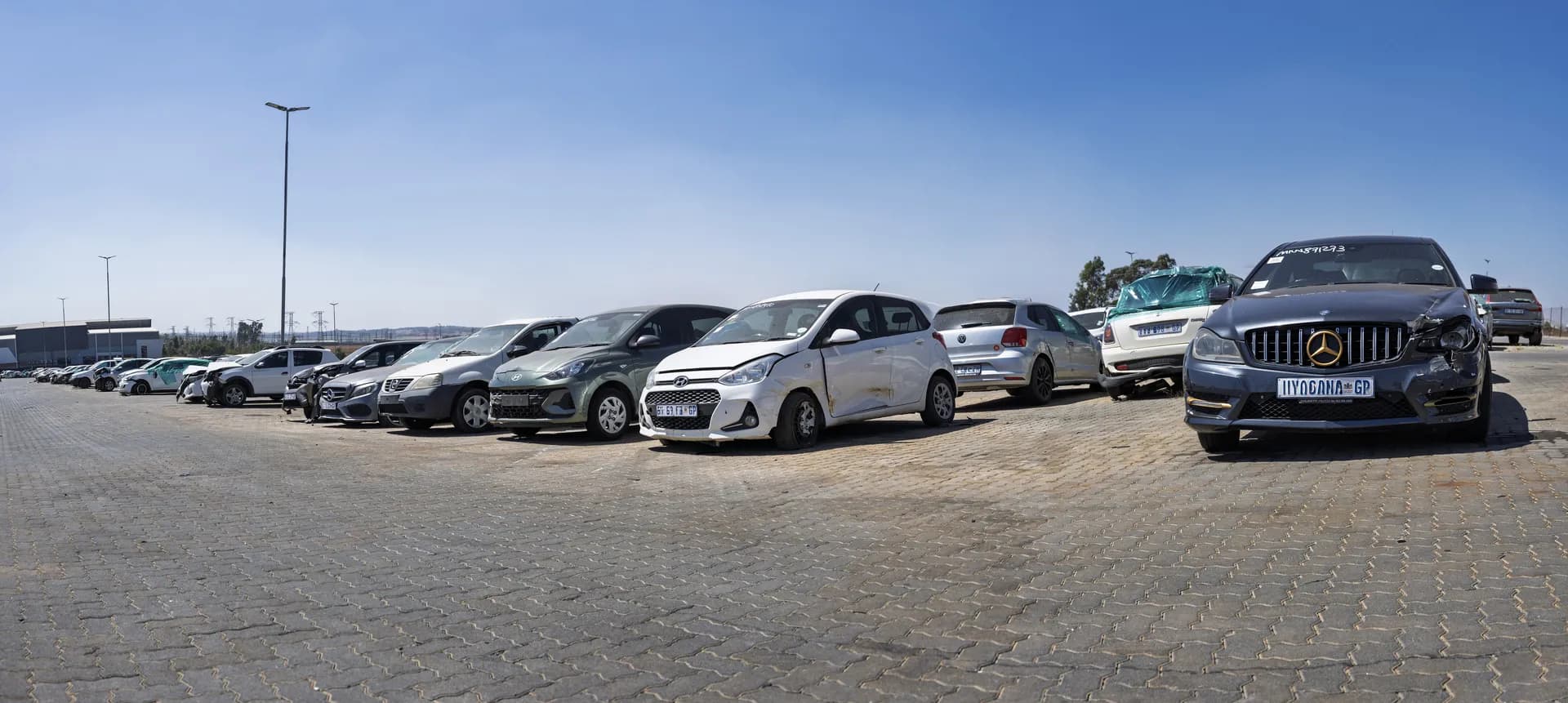
Know the value drivers
Repair cost, parts demand and paperwork shape offers.
Document to negotiate
Photos, service history and clear VIN reduce buyer risk.
Use included services
Free towing and handled paperwork can improve net outcome.
Overview: negotiating a salvage car sale in South Africa
Negotiating the price for a salvage car sale requires clear facts, realistic expectations and knowledge of the South African salvage market. Whether you own an accident damaged, flood-affected or written-off vehicle, understanding how buyers assess value helps you negotiate from a stronger position. This guide explains practical steps, common valuation drivers and SA-specific paperwork you should consider.
Quick takeaway
Buyers base salvage offers on repair cost estimates, salvageable parts, vehicle demand and clear paperwork. Document condition, compare competing offers and use free towing and admin services to improve negotiation leverage.
Key factors that shape offers
- Extent and type of damage (structural, mechanical, flood, fire).
- Availability of parts and model desirability in the local salvage market.
- Vehicle history and paperwork (ownership, outstanding finance, deregistration readiness).
- Logistics: where the car is located (metro vs remote) and whether towing is needed.
Repair cost vs value retained (example estimates)
| Typical repair cost (R) | Likely value retained if repaired (%) | Negotiation implication |
|---|---|---|
| R10,000 - R25,000 | 40% - 70% | Minor repairs - selling privately may be viable; verify repair quality. |
| R30,000 - R70,000 | 20% - 50% | Major repairs - buyers often prefer salvage sale; focus on parts value and paperwork. |
| R80,000+ | 10% - 40% | Structural/flood/fire - negotiate based on salvageable components and scrap value. |
Estimates above are illustrative for South African conditions; repair and retained-value ranges vary by make, model and local market demand. Use these to frame realistic counter-offers - buyers expect negotiation room when salvage risk is present.
Damage types vs typical offer impact
| Damage type | Offer impact |
|---|---|
| Cosmetic (bumpers, panels) | Small to moderate reduction - easy to repair or sell parts. |
| Mechanical (engine, gearbox) | Significant reduction - high repair cost and uncertainty. |
| Structural (frame, unibody) | Major reduction - often classified as written-off by insurers. |
| Flood or fire | Large reduction - reliability and resale severely affected. |
When to sell versus repair
Deciding whether to repair or sell a salvage vehicle depends on outlay, remaining market value and personal circumstances. If repair cost approaches or exceeds a large percentage of the car's pre-damage market value, selling for salvage or parts is often the more practical choice.
- If repairs cost less than ~30% of pre-damage market value and you plan to keep the car, repair may be sensible.
- If repairs exceed ~40-50% of value, selling as salvage usually produces a better net outcome after time and hassle.
If you want a streamlined sale without repair hassles, Sell Your Damaged Car provides online valuation, free towing and paperwork handling - see how the company works for national coverage and the timeline on the About / How it works page.
Preparing documentation to strengthen negotiation
- Service history and recent maintenance receipts.
- Clear photos from multiple angles showing damage and serial numbers (VIN).
- Proof of ownership, outstanding finance statement or settlement details.
Having paperwork in order reduces perceived risk for buyers and can improve offers. If you are unsure about deregistration or finance status, review options on the Sell Non-Running Car page for how paperwork is handled.
How the process works when selling salvage - negotiating stages
A typical negotiation follows these stages: valuation, initial offer, your counter, and final agreement. Use accurate photos and clear damage descriptions when you request valuations - online forms that include images help buyers give a tighter first offer.
Step-by-step negotiation checklist
- Get at least two independent offers to understand market range.
- Ask buyers to break down what they see as repair costs, parts value and logistics costs.
- Present evidence (photos, invoices) to justify a higher counter-offer.
- Negotiate on non-price items too: free towing, quicker collection, and paperwork handling add value.
Legal & paperwork considerations in South Africa
Understand these SA-specific steps before you finalise a sale: settlement of any outstanding finance, transfer of ownership or deregistration where applicable, and accurate disclosure of the vehicle's condition. Sellers must not misrepresent damage history - full disclosure protects you from later disputes.
Many buyers (including professional salvage purchasers) include paperwork handling in their offers. Confirm who will arrange deregistration and whether receipts and transfer forms are provided on collection. For a clear, hassle-free process, check the company’s procedure on the Sell Damaged Cars page.
Tips to maximise your offer when negotiating
- Document everything: a well-documented car commands better offers.
- Time the sale: certain makes/models have stronger parts demand in different regions; compare Johannesburg, Cape Town and Durban markets.
- Leverage included services: free towing and handled paperwork are negotiable extras that can justify a stronger price.
- Stay realistic: use repair-versus-value tables to set your minimum acceptable figure.
- Avoid emotion-led bargaining; focus on facts and comparable offers.
What happens after collection
After you accept an offer and agree collection details, a reputable buyer will arrange towing, complete paperwork including transfer or deregistration paperwork, and release payment as agreed. Confirm payment timing and method in writing before handover. If the vehicle is under finance, request a statement showing settlement to ensure clean transfer.
Practical examples and negotiation phrases
Example phrasing to use in negotiation:
- "Thanks - can you itemise the repair and logistics costs behind this offer so I can compare?"
- "I have a second valuation at RX that includes free collection; if you match that including paperwork, I can accept promptly."
- "I can provide full service history and clearer photos - will that improve your offer?"
Final notes: negotiating with confidence
Negotiation is information-driven. Buyers expect some back-and-forth; your strongest leverage is accurate documentation, multiple offers and clarity on who handles towing and deregistration. If you value a fast, low-logistics sale, emphasise included services during negotiation rather than just price.
Sources
- AA South Africa - Advice on written-off and salvage vehicles (AA South Africa)?utm_source=straider&utm_medium=referral&utm_campaign=prebo-digital
- Department of Transport South Africa - Vehicle registration and transfer guidance?utm_source=straider&utm_medium=referral&utm_campaign=prebo-digital
- National Consumer Commission - Consumer rights for vehicle sales in South Africa?utm_source=straider&utm_medium=referral&utm_campaign=prebo-digital
Seasoned automotive specialists dedicated to helping you turn your damaged or non-running vehicle into cash fast and hassle-free.
Disclaimer: This content is for educational purposes only. Product availability, pricing, and specifications are subject to change. Always verify current details on the retailer's website before making a purchase. We may earn affiliate commissions from qualifying purchases.
Why sell your damaged car to us?

A Division of Auction Nation, the leading expert in selling damaged cars

Best price for your damaged car

Get a cash offer within 24h

We buy damaged cars in any condition

We buy accident- damaged cars still under finance

Free, no obligation offer on your vehicle
How We Calculate Your Damaged Car’s Value
Wondering how we calculate your car’s value? At Sell Your Damaged Car, we look at: Your car’s real condition, its salvage value, and the current market demand. It’s all about honesty, transparency, and fairness — that’s how we determine your offer.
Frequently Asked Questions
Get answers to common questions about Tips And Advice
Why Choose Sell Your Damaged Car?
Free Towing
Need a tow? We got you
Hassle Free
Get a cash offer within 24h!
Nationwide
Somewhere remote? No problem!
