
How to Negotiate a Better Price for a Damaged Car in South Africa
Discover expert negotiation strategies to increase your cash offer for a damaged, non-running, or salvage car in South Africa. Legal tips, paperwork guidance, and SA examples.
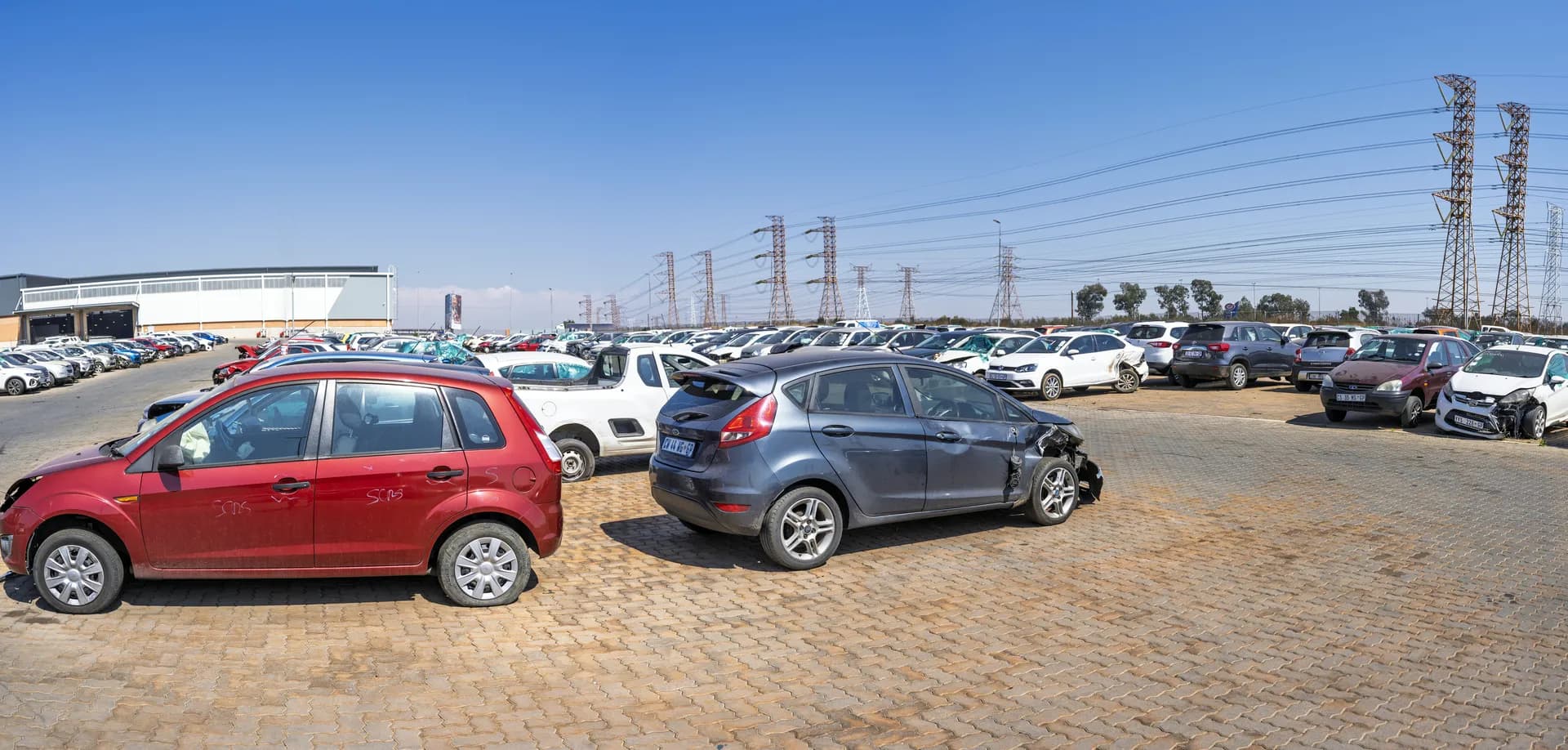
Overview: Negotiating the Sale of a Damaged Car
Selling a damaged, accident-written-off, or non-running car in South Africa can feel overwhelming, especially when it comes to getting a fair price. Whether you're selling to a specialist service like Sell Your Damaged Car or considering alternative routes, understanding the basics of negotiation puts you in a stronger position. Knowledge of your vehicle's condition, the market demand, and paperwork requirements not only improves your confidence, but also helps you secure a competitive cash offer with minimal hassle.
What Impacts the Value of a Damaged Car?
- Type and extent of damage (accident, flood, mechanical, fire, etc.)
- Make, model, year and mileage of the vehicle
- Availability of critical components (engine, gearbox, body panels)
- Demand for spares or salvage value in SA markets
- Status of paperwork (registration, deregistration, finance outstanding)
| Damage Type | Typical Offer Adjustment |
|---|---|
| Minor Accident | Small reduction (assuming mechanicals unaffected) |
| Engine Failure | Medium to large reduction, but valuable for parts |
| Written-Off/Severe Accident | High reduction, offer typically based on salvage value only |
| Flood/Fire Damage | Often significant reduction, but varies by parts recoverability |
Should You Try to Repair or Sell?
Before negotiating, weigh the true cost of repairs against the potential resale value. In many cases, especially for write-offs and non-starters, the expense of restoring the car to roadworthy status in South Africa is seldom worthwhile. Consider both visible and hidden damage, including impacts on the car's code status and whether re-registration (after accident or written-off status) is even possible.
| Scenario | Estimated Repair Cost (R) | Value Retained After Repair (%) |
|---|---|---|
| Minor Cosmetic | 8,000 - 15,000 | 85 - 92% |
| Major Structural | 35,000 - 70,000 | 50 - 65% |
| Engine Replacement | 18,000 - 40,000 | 68 - 80% |
If the estimated repair costs approach or exceed the expected post-repair resale value, negotiating a direct sale may be your simplest and most profitable option.
Top Strategies to Negotiate a Better Offer
- Gather Documentation: Service history, proof of ownership, and photos provide evidence to support your asking price.
- Request Offers from Multiple Buyers: Compare quotes from reputable car-buying services and local salvage yards for benchmarks.
- Highlight Valuable Features: Emphasise recently replaced tyres, updated electronics, or undamaged bodywork.
- Clean and Photograph the Vehicle: Detailed, honest images can increase trust and perceived value.
- Stay Polite and Informed: Respectful communication and understanding process steps (e.g., how offers are calculated) builds goodwill for negotiation.
Negotiation Examples - SA Scenarios
- Johannesburg: Market demand for spares can result in slightly higher offers on popular models. Present recent repairs or sought-after components.
- Cape Town: If your car is non-running, ensure the buyer covers all collection logistics.
- Durban: Clarify if flood or salt damage affects the offer and ask for transparency in the deduction applied.
Legal and Paperwork Essentials in South Africa
- Title and Deregistration: Ensure the car is correctly deregistered from your name upon sale to avoid future penalties.
- Outstanding Finance: Sellers with financed vehicles must settle balances before transfer. Most cash buyers require proof before making an offer.
- Official Transfer of Ownership: Submit the Notification of Change of Ownership (NCO) at your local licensing office.
Working with buyers who handle the paperwork end-to-end, especially for salvage and written-off vehicles, reduces risk and potential delays. Verify that your chosen dealer or service is authorised and trusted in South Africa.
Final Steps: After Reaching an Agreement
- Obtain written confirmation of the agreed amount and payment timeline.
- Double check the details on all paperwork before signing.
- Ensure deregistration is processed to avoid future liability (fines, e-tolls etc.).
- Remove your personal belongings and any e-tags before collection.
- Keep proof of payment and completion of transfer for your records.
Sources
Seasoned automotive specialists dedicated to helping you turn your damaged or non-running vehicle into cash fast and hassle-free.
Disclaimer: This content is for educational purposes only. Product availability, pricing, and specifications are subject to change. Always verify current details on the retailer's website before making a purchase. We may earn affiliate commissions from qualifying purchases.
Why sell your damaged car to us?

A Division of Auction Nation, the leading expert in selling damaged cars

Best price for your damaged car

Get a cash offer within 24h

We buy damaged cars in any condition

We buy accident- damaged cars still under finance

Free, no obligation offer on your vehicle
How We Calculate Your Damaged Car’s Value
Wondering how we calculate your car’s value? At Sell Your Damaged Car, we look at: Your car’s real condition, its salvage value, and the current market demand. It’s all about honesty, transparency, and fairness — that’s how we determine your offer.
Frequently Asked Questions
Get answers to common questions about Tips And Advice
Why Choose Sell Your Damaged Car?
Free Towing
Need a tow? We got you
Hassle Free
Get a cash offer within 24h!
Nationwide
Somewhere remote? No problem!
