
How to Get the Best Price for Accident Cars in South Africa
Learn step-by-step how to maximise offers on accident-damaged cars in South Africa: what buyers want, paperwork tips, repair vs sell guidance and presentation tricks.
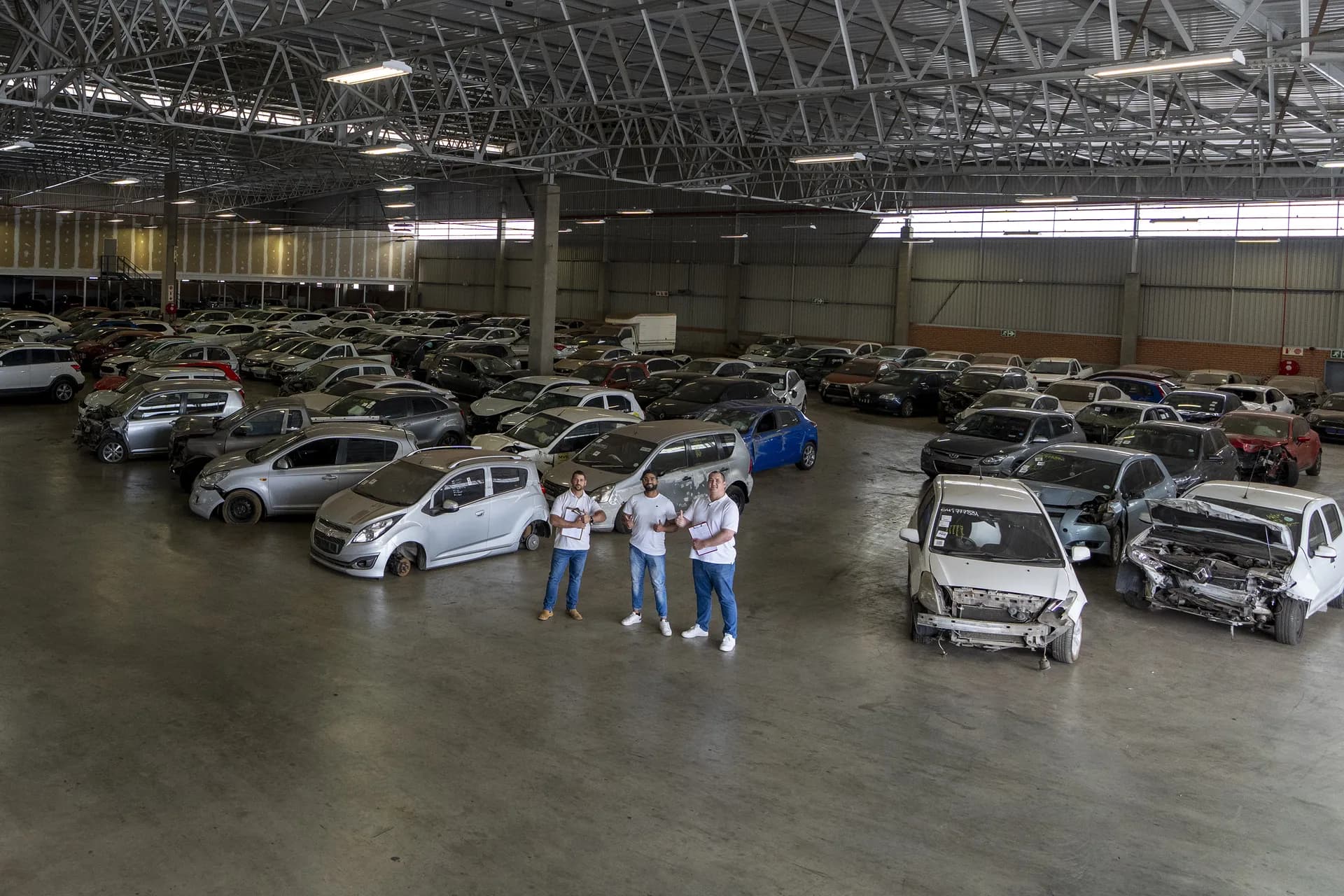
Prepare Clear Evidence
Photos, service history and honest descriptions improve offers.
Disclose Paperwork
Declare finance status and ownership to avoid reductions later.
Factor In Inclusions
Free towing and paperwork handling increase the net amount you receive.
Overview: Getting a competitive cash offer for an accident car
If you own an accident-damaged vehicle in South Africa and want to get the best price, focus on clear information, honest descriptions, and reducing buyer friction. Sell Your Damaged Car buys vehicles in any condition, handles deregistration and paperwork, arranges free nationwide towing, and issues a competitive cash offer quickly - all factors that affect the net amount you receive. This guide explains what matters to buyers, what to prepare, and how to present your car so offers reflect the true salvage value.
Why accurate information matters
Buyers - including salvage yards, repairers and specialist car buyers - base offers on market value, repair cost estimates and ease of resale. Accurate make, model, year, mileage and a clear description of accident damage reduce uncertainty. The keyword how-to-get-the-best-price-for-accident-cars-south-africa is about optimising those inputs so offers are not reduced for missing information.
When to sell vs repair
Deciding whether to repair or sell depends on three things: repair cost, remaining market value, and time/effort. Repairs that exceed a substantial portion of the vehicle's post-repair market value usually mean selling is the more sensible option. For non-running or heavily damaged cars consider selling rather than investing in uncertain repairs.
Repair cost vs value retained (illustrative)
| Scenario | Typical repair cost (estimate, R) | Approx. value retained after repair (%) |
|---|---|---|
| Minor bumper & panel work | R5,000 - R15,000 | 80-95% |
| Structural/frame repair | R20,000 - R60,000+ | 40-70% |
| Engine/transmission failure | R15,000 - R80,000+ | 30-80% (varies greatly) |
These ranges are illustrative and depend on vehicle age, model desirability and local parts/labour rates. For a quick valuation and to compare selling options, our detailed buying process is explained on the How it works page.
What buyers look for in accident cars
- Clear photos of damage and undamaged areas.
- Honest description of mechanical issues and whether the car is running.
- Service history and maintenance records, if available.
- Proof of ownership and any finance status disclosure.
If your vehicle is non-running, see guidance specific to selling non-running cars on our Sell Non-Running Car page to prepare the correct details before requesting offers.
How the selling process works (step-by-step)
A transparent process reduces buyer risk and usually improves offers. Typical steps include: submitting vehicle details and photos, receiving an obligation-free offer, accepting the offer, completing paperwork and arranging collection. Sell Your Damaged Car handles paperwork, deregistration assistance and free nationwide towing, which saves you time and transport costs that otherwise lower the effective price you receive.
Legal & paperwork notes in South Africa
In South Africa, clear ownership documentation and disclosure of finance are essential. If your vehicle is under finance you must inform the buyer and arrange settlement or transfer in line with the financier's requirements. Deregistration and transfer forms are processed after sale; specialist buyers often handle deregistration on your behalf to simplify the transaction. For a high-level explanation of our admin process, see the homepage and Sell Damaged Cars page for examples of included paperwork services.
Tips to maximise your offer
- Photograph well-lit, varied angles: overall vehicle, close-ups of damage and odometer.
- Provide recent service records and spares receipts where possible.
- Be upfront about mechanical faults - accurate descriptions avoid offer reductions after inspection.
- If safe and affordable, perform small cosmetic fixes (e.g., replace a missing bulb) that cost little but improve perceived value.
- Compare multiple offers and consider buyer inclusions such as free towing and paperwork handling when assessing net value.
Damage types vs typical offer impact (guide)
| Damage type | Typical impact on offer |
|---|---|
| Superficial panel damage (bumper, door dents) | Small to moderate reduction; easier to repair and resell. |
| Structural/frame damage | Significant reduction due to repair complexity and resale limits. |
| Engine or transmission total loss | Major reduction unless high salvage parts demand for that model. |
| Flood or fire damage | Large reduction; specialised buyers required and pricing varies by severity. |
These typical impacts vary by vehicle desirability and parts demand. For example, popular models in Johannesburg or Cape Town often have higher salvage demand, which can positively influence offers compared with the same car in a lower-demand area.
What happens after collection
After you accept an offer and the vehicle is collected, the buyer will complete transfer or deregistration paperwork and process payment. Sellers should keep records of the sale (signed acceptance, vehicle collection note and proof of payment). If the vehicle was under finance, confirm with your financier that the account is settled or properly transferred to avoid future liabilities.
Practical South Africa scenarios and examples
Scenario: A 2012 hatchback with front-end damage in Durban. Clear photos, engine status and a recent service history can narrow valuation uncertainty, often producing a stronger competitive offer compared with minimal information. Scenario: A written-off sedan in Cape Town - buyers there may offer more if the model has high parts demand locally. Always disclose finance status and mileage; these materially affect offers.
Final checklist to improve your outcome
- Take 8-10 clear photos (interior, exterior, damage close-ups, odometer).
- Gather service history, registration papers and ID.
- Note any finance and be ready to share the financier's contact process.
- Compare offers and weigh inclusions like free towing and paperwork handling.
Sources
Seasoned automotive specialists dedicated to helping you turn your damaged or non-running vehicle into cash fast and hassle-free.
Disclaimer: This content is for educational purposes only. Product availability, pricing, and specifications are subject to change. Always verify current details on the retailer's website before making a purchase. We may earn affiliate commissions from qualifying purchases.
Why sell your damaged car to us?

A Division of Auction Nation, the leading expert in selling damaged cars

Best price for your damaged car

Get a cash offer within 24h

We buy damaged cars in any condition

We buy accident- damaged cars still under finance

Free, no obligation offer on your vehicle
How We Calculate Your Damaged Car’s Value
Wondering how we calculate your car’s value? At Sell Your Damaged Car, we look at: Your car’s real condition, its salvage value, and the current market demand. It’s all about honesty, transparency, and fairness — that’s how we determine your offer.
Frequently Asked Questions
Get answers to common questions about Tips And Advice
Why Choose Sell Your Damaged Car?
Free Towing
Need a tow? We got you
Hassle Free
Get a cash offer within 24h!
Nationwide
Somewhere remote? No problem!
