
How to Get the Best Offer for a Hail-Damaged Car in SA - Practical Steps
Learn step-by-step how to get the best offer for a hail-damaged car in South Africa - what affects value, repair vs sell guidance, paperwork and tips.
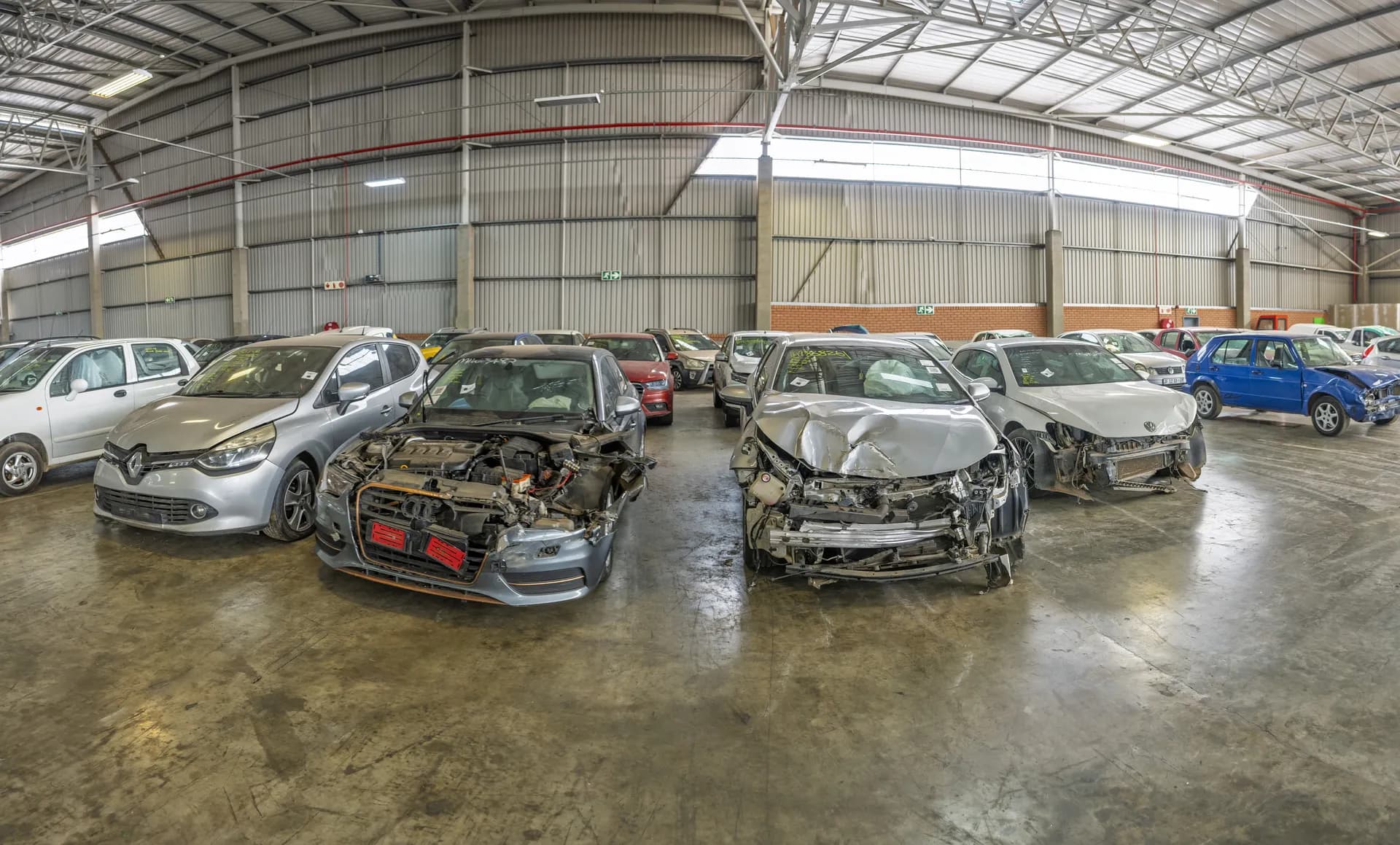
Photograph & Document
Clear photos and service history reduce uncertainty and improve offers.
Repair vs Sell Decision
Compare estimated repair costs with market value before committing.
Paperwork & Towing Included
Choose buyers who handle deregistration, finance checks and free towing.
Overview
If your vehicle suffered hail damage, you likely want to know how to get the best offer for a hail-damaged car in SA. This guide explains what impacts offers, when selling makes more sense than repairing, and shows step-by-step how a specialist buyer handles valuation, towing and paperwork across Johannesburg, Cape Town, Durban and other regions.
Quick note: Hail damage affects panels, glass and paint differently. Small dents may be repaired cheaply; extensive roof or panel damage can reduce market value materially. Use photos and detailed descriptions when seeking offers.
What buyers look at when valuing hail damage
- Extent and location of dents (roof, bonnet, boot, panels).
- Whether glass is cracked or only has surface chips.
- Paint damage vs. repairable dent removal (PDR) suitability.
- Underlying mechanical or alignment issues caused by impact.
- Vehicle make, model, year, mileage and service history.
Repair cost vs value retained
| Repair scenario | Estimated repair cost (example, R) | Typical impact on offer |
|---|---|---|
| Minor dents (PDR suitable) | R2,000-R10,000 (estimate) | Small reduction; may be worthwhile to repair if cost is low |
| Multiple panel dents + paint | R10,000-R50,000 (estimate) | Significant reduction; selling as-is often simpler |
| Glass replaced (windscreen/side windows) | R1,500-R8,000 per pane | Moderate effect-depends on whether repairs restore resale confidence |
When to sell vs repair
Choosing whether to repair hail damage or sell the vehicle depends on repair cost compared with the vehicle's pre-damage market value, the time and effort you can invest, and whether the vehicle has other issues. For many owners in South Africa, selling is preferable when repair costs exceed a meaningful portion of market value or when you want a quick, low-hassle solution.
Practical decision points
- If repairs are a small percentage of current market value and you plan to keep the car, repairing can be worthwhile.
- If repairs are extensive, or the car is non-running, selling as hail-damaged may be faster and less costly overall.
- Consider insurance: if you submit a claim, excesses and premiums may influence the decision.
For more on what a specialist buyer offers and how the process works, see our About / How it works page and the page explaining how we evaluate damaged vehicles: Sell Damaged Cars.
How the process works (step-by-step)
A predictable, documented process helps you get the best offer for a hail-damaged car in SA. Typical steps a specialist buyer follows:
Valuation & offer
- Submit detailed photos (multiple angles) and a clear description of hail damage, plus vehicle details.
- The buyer checks market values, salvage demand and repairability, then issues a transparent offer.
- Offers will note inclusions (free towing, paperwork handling) and exclusions (vehicles under unreleased finance-see Legal & paperwork).
Legal & paperwork in South Africa
Dealing with transfer, deregistration and finance is often the biggest stumbling block. In South Africa, ensure you and the buyer agree on who handles:
- Vehicle deregistration or transfer of ownership via the relevant registering authority.
- Settling any outstanding finance-vehicles under finance usually need consent from the lender before transfer.
- A written receipt and signed documentation confirming the sale, date of collection and payment terms.
Specialist buyers commonly offer free towing and handle the paperwork (including assisting with deregistration). If your car is still under a finance agreement, notify your lender early to avoid delays.
Damage types vs typical offer impact
| Damage type | Usual effect on offers |
|---|---|
| Surface dents, PDR suitable | Smaller reduction; may be repaired cost-effectively |
| Extensive panel damage or collapsed roof | Larger reduction; typically sold as-is to trade or salvage buyers |
| Glass replaced or cracked | Moderate impact; transparent repair receipts help |
Tips to maximise your offer for a hail-damaged car
- Provide clear, high-resolution photos taken in daylight showing all damaged panels and interior views where relevant.
- Include service history and receipts-well-documented cars often attract stronger offers.
- Note any recent work (new battery, tyres) that improves immediate usability.
- Be honest about mechanical faults-undisclosed issues can void offers and slow transfer.
- Get multiple quotes from reputable buyers to compare inclusions like free towing and paperwork handling.
Examples and practical tips (South Africa)
Example: presenting five clear photos (front, rear, each side, close-up of worst damage) plus service records often reduces valuation uncertainty and improves offers. If you are unsure whether to repair a dent, obtain a local PDR estimate (R estimates vary widely by region) and weigh that against time and hassle.
If you want a streamlined sale process, specialist buyers that list inclusions such as free nationwide towing and paperwork handling remove logistical friction. To compare how different providers operate, you can review the general process on our Sell Non-Running Car resource and the homepage overview at Sell Your Damaged Car.
What happens after collection
After you accept an offer and the vehicle is collected, expect the buyer to provide a signed receipt and confirmation of payment timing. Reputable buyers will assist with transfer or deregistration steps and provide copies of the signed documentation. Keep records of all communication, the receipt, and any bank payment confirmations.
Final checks
- Confirm the buyer’s identity and that they are registered to trade.
- Ensure any outstanding finance is settled or explicitly transferred with lender approval.
- Retain copies of the signed transfer/deregistration forms and proof of payment.
Sources
- Automobile Association of South Africa (AA) - practical advice on vehicle condition and repairs.
- South African Department of Transport - information on vehicle registration and national regulations.
- Road Traffic Management Corporation (RTMC) - resources related to traffic authorities and registrations.
- South African Insurance Association (SAIA) - context on insurance considerations for weather damage claims.
Seasoned automotive specialists dedicated to helping you turn your damaged or non-running vehicle into cash fast and hassle-free.
Disclaimer: This content is for educational purposes only. Product availability, pricing, and specifications are subject to change. Always verify current details on the retailer's website before making a purchase. We may earn affiliate commissions from qualifying purchases.
Why sell your damaged car to us?

A Division of Auction Nation, the leading expert in selling damaged cars

Best price for your damaged car

Get a cash offer within 24h

We buy damaged cars in any condition

We buy accident- damaged cars still under finance

Free, no obligation offer on your vehicle
How We Calculate Your Damaged Car’s Value
Wondering how we calculate your car’s value? At Sell Your Damaged Car, we look at: Your car’s real condition, its salvage value, and the current market demand. It’s all about honesty, transparency, and fairness — that’s how we determine your offer.
Frequently Asked Questions
Get answers to common questions about Tips And Advice
Why Choose Sell Your Damaged Car?
Free Towing
Need a tow? We got you
Hassle Free
Get a cash offer within 24h!
Nationwide
Somewhere remote? No problem!
