
How to Get Damaged Car Value in South Africa - Practical Valuation Guide
Learn practical steps to estimate your damaged car value in South Africa, what affects offers, and how to prepare documents and photos for a fair cash valuation.
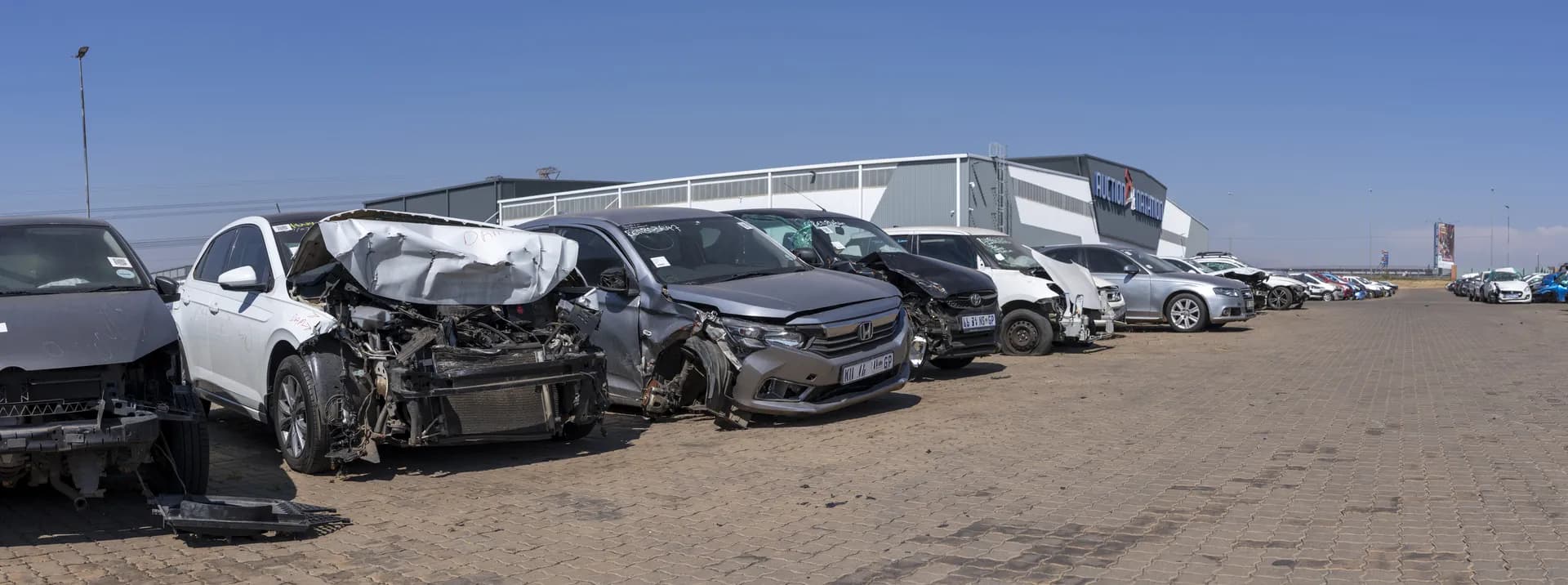
Gather Accurate Info
Photos, service history and damage details speed up valuation and improve offers.
Compare Offers
Get multiple quotes and confirm inclusions like free towing and paperwork handling.
Understand Paperwork
Check finance status, deregistration and transfer steps specific to South Africa.
Overview: Understanding damaged car value in South Africa
Knowing how to get damaged car value in South Africa starts with recognising the factors buyers and salvage markets use to set a cash offer. Condition, age, make and model, extent of repair needed, parts demand and local salvage prices all matter. Whether your car is accident-damaged, fire- or flood-affected, non-running or written-off, a clear, documented summary of the vehicle’s condition gives you the strongest starting point for a competitive cash offer.
This guide explains practical steps to estimate value, when selling is a better option than repairing, how professional buyers assess vehicles, and South Africa-specific paperwork and market details that owners should expect.
When to sell versus repair
Deciding whether to repair or sell a damaged car depends on a simple comparison: the expected cost of repair plus remaining market value versus the cash offer you could receive now. If repair costs approach or exceed the post-repair market value, selling the vehicle is often the more practical choice for private owners and small fleets.
- Consider repair complexity (structural/frame damage or water ingress usually raises costs significantly).
- Factor in downtime and storage costs if the vehicle is non-running.
- Check whether the vehicle is under finance - selling while financed requires coordination with the lender and affects net proceeds.
How professional buyers value damaged cars
Buyers who purchase damaged vehicles-brokers, salvage yards and specialist services-follow a repeatable process. They assess mechanical condition, structural damage, known history (service records/accident reports), parts resale potential, and the current demand for that make/model. For South Africa this also includes expected deregistration and salvage paperwork timelines.
To get an accurate estimate of your damaged car value, collect clear photos (multiple angles, close-ups of damage), the vehicle’s service history, registration documents, and a short written description of how the damage occurred. Uploading this information speeds valuation and improves transparency.
South Africa-specific note
Many buyers in South Africa offer free towing and handle deregistration; confirming these inclusions can affect the net value you receive. For details on how specialist services handle collections and paperwork, see our About / How it works page and the Sell Damaged Cars service description for common inclusions.
Quick valuation checklist
- Photos: exterior, interior, engine bay, chassis and damage close-ups.
- Documentation: registration papers, proof of ID, service history and any insurer paperwork.
- Accurate mileage and a short description of how the damage happened.
Repair cost vs value retained
| Repair type | Typical South Africa repair range (R)* | Usual value retained after repair |
|---|---|---|
| Minor panel & paint | R3,000 - R15,000 | 70%-90% of pre-damage market value |
| Mechanical overhaul (engine/gearbox) | R10,000 - R60,000+ | 50%-80% depending on age and parts |
| Structural/frame damage | R20,000 - R100,000+ | Often below 50% - may be written off by insurers |
*Ranges are illustrative estimates for South Africa and will vary by region, workshop rates and parts availability.
Legal & paperwork in South Africa
When estimating and accepting a damaged car value you should confirm how deregistration, transfer or salvage paperwork will be handled. If the vehicle is under finance, banks must typically be notified and may need settlement before transfer. Many specialist buyers include deregistration and administration in their service, reducing the time and effort required from the seller. For step-by-step process details, refer to the homepage and the Sell Non-Running Car page for examples of how paperwork is typically managed.
Damage types vs typical offer impact
| Damage type | Typical offer impact | Notes for owners |
|---|---|---|
| Cosmetic (panels/paint) | Small to moderate reduction | Good photos and repair estimates help maintain value |
| Mechanical failure (engine/gearbox) | Moderate to significant reduction | Providing recent diagnostics improves accuracy |
| Structural/frame damage | Major reduction; possible write-off | Confirm extent with a qualified assessor where possible |
| Flood or fire | Major reduction; specialist buyers assess corrosion or wiring risk | Declare water/fire damage clearly and supply images |
Tips to maximise your damaged car value
- Be transparent: full disclosure and photos build buyer confidence and prevent later adjustments to offers.
- Organise documents: registration, ID and any service history shorten the admin timeline and can improve offers.
- Get basic cleaning and secure loose parts: tidy presentation and bundled components (keys, manuals) help assessments.
- Obtain a short mechanic’s note for mechanical issues where practical-this helps buyers separate repairable items from total loss factors.
- Compare offers from multiple buyers and confirm inclusions such as free towing and paperwork handling; these additions affect your net proceeds.
What happens after collection
After you accept a cash offer and collection is scheduled, a reputable buyer will complete transfer paperwork, arrange free towing (nationwide) and verify payment. In South Africa this often includes deregistration steps and, if needed, settling finance with the lender. Keep copies of all receipts and transfer documents. If the buyer arranges towing and admin, confirm timelines for payment release and request proof once payment is processed.
Practical examples and scenario
Example 1: A 2010 small hatch with minor panel damage and R120,000 pre-damage market value - repair estimates of R8,000 to R12,000 may mean repair is sensible if you plan to keep the car. Example 2: A 2012 double-cab bakkie with structural front-end damage and an R180,000 market value - repair costs approaching R60,000 often lead owners to accept a competitive cash offer instead. Figures are illustrative and will vary by region and vehicle specifics.
Final checklist before you request valuations
- Photos, documents and a written damage summary ready.
- Clear note if the vehicle is under finance and contact details for the lender.
- Confirm whether the buyer includes free towing, deregistration and immediate payment verification.
Sources
Seasoned automotive specialists dedicated to helping you turn your damaged or non-running vehicle into cash fast and hassle-free.
Disclaimer: This content is for educational purposes only. Product availability, pricing, and specifications are subject to change. Always verify current details on the retailer's website before making a purchase. We may earn affiliate commissions from qualifying purchases.
Why sell your damaged car to us?

A Division of Auction Nation, the leading expert in selling damaged cars

Best price for your damaged car

Get a cash offer within 24h

We buy damaged cars in any condition

We buy accident- damaged cars still under finance

Free, no obligation offer on your vehicle
How We Calculate Your Damaged Car’s Value
Wondering how we calculate your car’s value? At Sell Your Damaged Car, we look at: Your car’s real condition, its salvage value, and the current market demand. It’s all about honesty, transparency, and fairness — that’s how we determine your offer.
Frequently Asked Questions
Get answers to common questions about Tips And Advice
Why Choose Sell Your Damaged Car?
Free Towing
Need a tow? We got you
Hassle Free
Get a cash offer within 24h!
Nationwide
Somewhere remote? No problem!
