
How to Get a Salvage Car Quote in Durban - Practical Step-by-Step Guide
Step-by-step guide to getting a salvage car quote in Durban: what to prepare, how quotes are calculated, legal paperwork in SA and tips to improve offers.
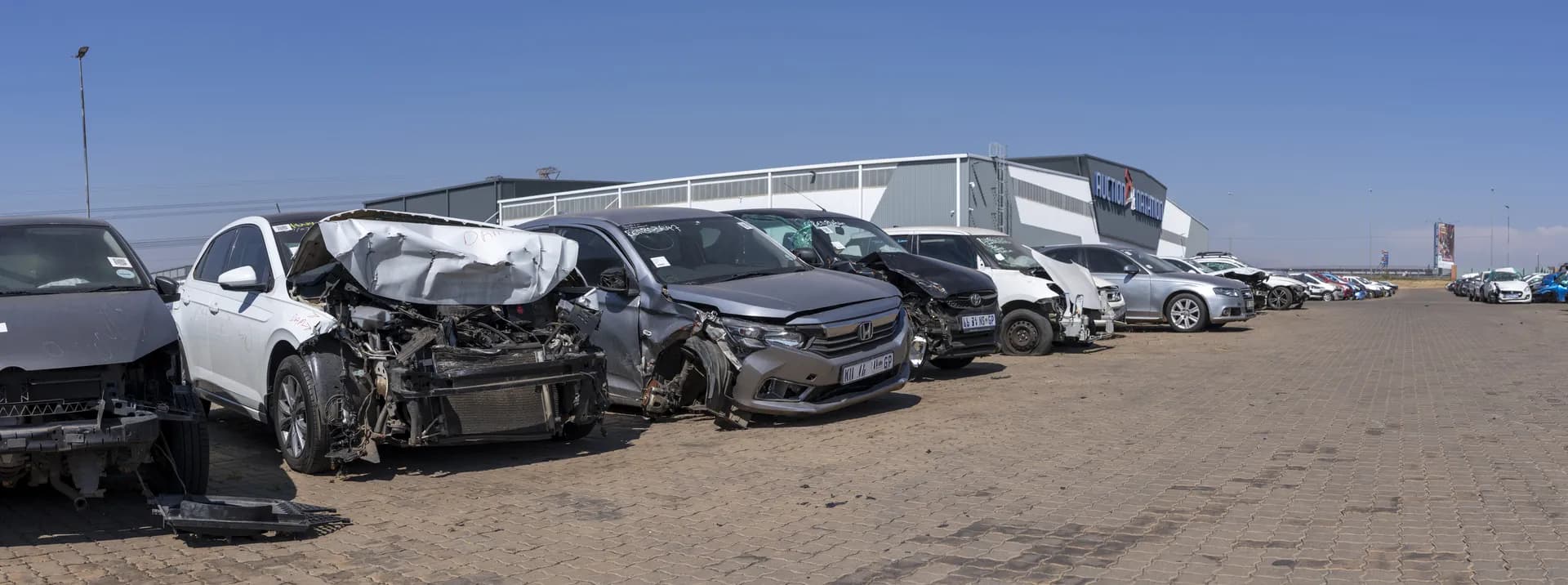
Prepare Good Photos
Clear multi-angle images cut valuation uncertainty and improve offers.
Compare Quotes
Get multiple salvage quotes and check inclusions like towing and paperwork.
Understand Paperwork
Confirm transfer, deregistration and finance settlement responsibilities.
Overview: Getting a salvage car quote in Durban
If your vehicle has been written off, fire- or flood-damaged, or is a non-runner, a salvage car quote gives you a clear idea of market interest and expected cash offers. This guide explains how to get an accurate salvage car quote in Durban, what information to supply, and realistic timelines for collection and payment in a South African context. Use this to compare repair costs versus selling as salvage and to make an informed choice.
Why a proper quote matters
A well-documented quote helps you compare options (repair, private sale, or selling to a specialist buyer). In Durban, coastal conditions can affect corrosion and flood impact, while local salvage demand influences offers. Quotes should reflect condition, market value, model desirability and salvageable parts demand.
When to sell versus repair
Deciding whether to repair or sell depends on the repair estimate, the car's pre-accident market value, and turnaround time. For many owners in Durban, time pressures, storage costs and the complexity of structural repairs make selling for salvage a practical choice.
Repair cost vs value retained (example estimates)
| Scenario | Estimated repair cost (R) | Typical retained market value after repair (%) |
|---|---|---|
| Minor panel & paint (no structural) | R5,000 - R20,000 | 85-95% |
| Mechanical failure (engine/transmission) | R15,000 - R80,000 | 60-80% |
| Structural/frame & airbag deployment | R40,000 - R150,000+ | 30-60% |
| Flood or fire damage | Highly variable | 10-50% |
These are broad South Africa-specific ranges and will vary by vehicle age, model, and the exact extent of damage. For many vehicles where repair costs approach or exceed the retained market value, selling for salvage is the simpler, lower-risk option.
Practical note for Durban owners: coastal and flood damage can accelerate corrosion and electrical faults. Make sure photos show wiring, underbody and interior to avoid under-valued quotes.
What information to prepare before requesting a salvage quote
- Clear photos from multiple angles (front, rear, both sides, engine bay, VIN or chassis plate, interior and close-ups of damage)
- Vehicle details: make, model, year, mileage, registration number and VIN/chassis number
- Brief description of the incident (accident, flood, fire) and whether airbags deployed
- Documentation: copy of registration papers, proof of ID, and any insurance or repair estimates
If you want a straightforward online valuation process and clear next steps, review how our online form collects vehicle details and photos on the Sell Damaged Cars page. For non-running vehicles specifically, the Sell Non-Running Car resource explains extra details to include about starting and towing access.
How the salvage quote process typically works in Durban
A local or national salvage buyer will assess the information you supply and respond with a valuation or indicative quote. Many buyers - including specialist services operating nationwide - will follow a simple online-first workflow: upload photos and details, receive an offer, accept or decline, then arrange collection and paperwork. Quotes can be issued within hours or up to 24-48 hours depending on vehicle complexity and verification needs.
Damage types vs typical offer impact
| Damage type | How it typically affects offers |
|---|---|
| Cosmetic (panels, bumper) | Smaller reduction; parts resale strong for popular models |
| Mechanical (engine/transmission) | Larger reduction unless major components are intact for re-use |
| Structural/frame damage | Significant impact; often classified as written-off |
| Flood or fire | Highly variable; electrical and interior damage reduces offers substantially |
Legal & paperwork considerations in South Africa
In South Africa, correct paperwork protects you and speeds payment. Common steps include transferring ownership, deregistration (if applicable), and declaring whether the vehicle is written off for insurance records. If your vehicle is under finance, inform the finance house - a payoff or settlement may be required before transfer. Specialist buyers often assist with transfer paperwork and can guide you on deregistration steps with the relevant authorities.
Tips to maximise your salvage quote
- Provide honest, high-quality photos - underside and engine photos reduce uncertainty and may improve offers.
- Include service history or receipts for recent parts; documented maintenance can modestly increase value.
- Note parts that are intact and desirable (e.g., wheels, infotainment, airbags un-deployed).
- Disclose any prior structural repairs - transparency prevents delays during verification.
If you want to understand how the buyer handles collection, paperwork and payment timelines, the company overview and process details are explained on the About / How it works page and the Sell Your Damaged Car homepage.
What happens after you accept a salvage quote
After acceptance, the buyer usually arranges free towing from your Durban address, completes ownership transfer paperwork, and releases payment once documents are verified. Expect collection scheduling within a few days; complex cases (vehicles under finance or with disputed ownership) may take longer. Always confirm who pays for towing (many nationwide services include free towing) and precisely which admin tasks the buyer will handle.
Example timeline (Durban scenario)
- Day 0: Submit online form with photos and documents.
- Day 0-2: Receive indicative salvage quote by email or SMS.
- Day 1-5: Accept offer and schedule towing/collection.
- Day 2-7: Paperwork finalised; payment released after verification.
Final considerations
Use multiple quotes if you want comparison pricing, and always check what each buyer includes (free towing, deregistration assistance, handling of finance settlements). For Durban owners, highlight any flood or saltwater exposure in photos - early disclosure avoids surprises and speeds the process.
Sources
Seasoned automotive specialists dedicated to helping you turn your damaged or non-running vehicle into cash fast and hassle-free.
Disclaimer: This content is for educational purposes only. Product availability, pricing, and specifications are subject to change. Always verify current details on the retailer's website before making a purchase. We may earn affiliate commissions from qualifying purchases.
Why sell your damaged car to us?

A Division of Auction Nation, the leading expert in selling damaged cars

Best price for your damaged car

Get a cash offer within 24h

We buy damaged cars in any condition

We buy accident- damaged cars still under finance

Free, no obligation offer on your vehicle
How We Calculate Your Damaged Car’s Value
Wondering how we calculate your car’s value? At Sell Your Damaged Car, we look at: Your car’s real condition, its salvage value, and the current market demand. It’s all about honesty, transparency, and fairness — that’s how we determine your offer.
Frequently Asked Questions
Get answers to common questions about Selling Guides
Why Choose Sell Your Damaged Car?
Free Towing
Need a tow? We got you
Hassle Free
Get a cash offer within 24h!
Nationwide
Somewhere remote? No problem!
