
How to Get a Good Offer for a Damaged Car in South Africa
Learn practical South African steps to maximise the cash offer for your damaged, non-running or written-off car: documentation, honest presentation, buyer comparison and paperwork advice.
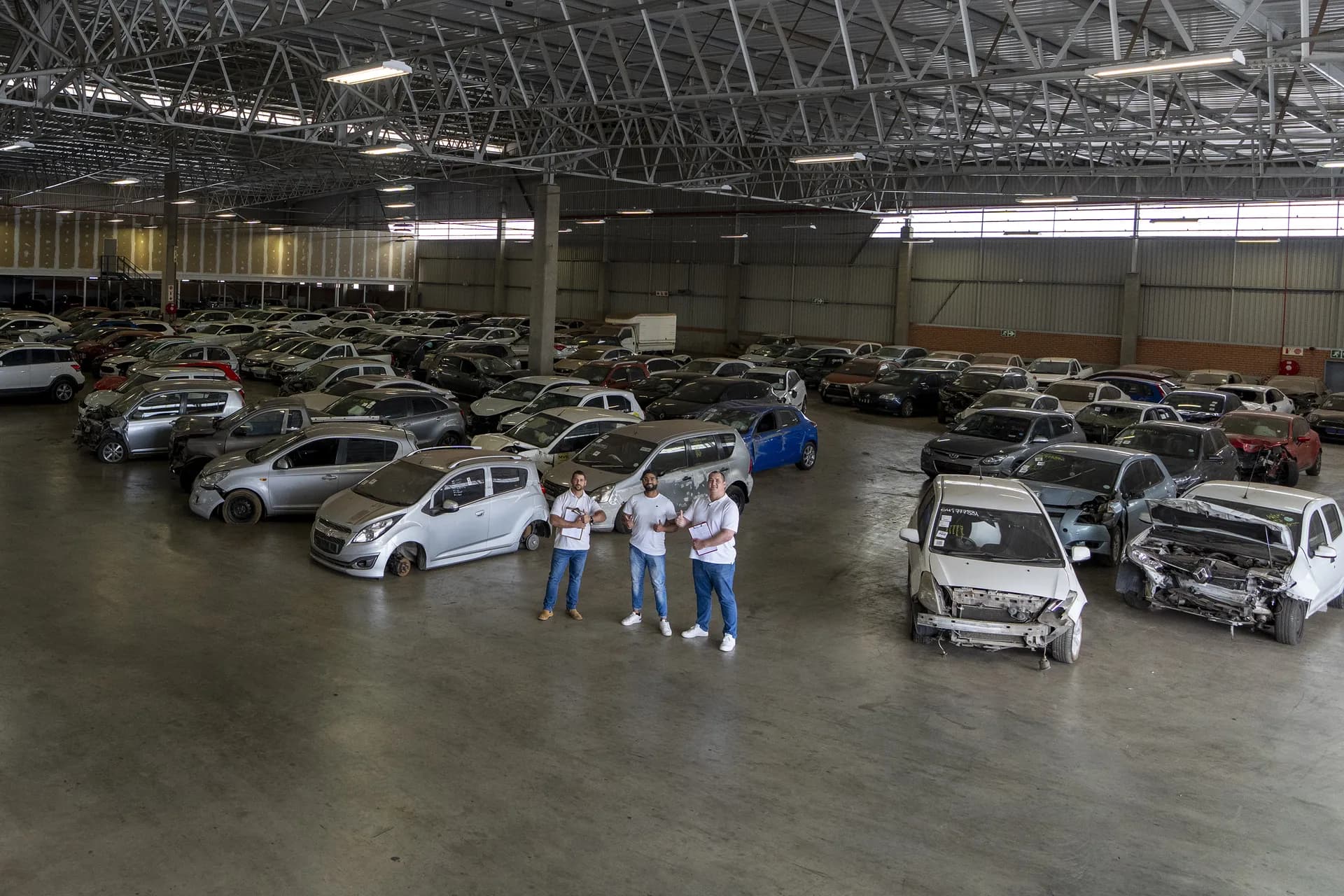
Overview: What 'a good offer' means for a damaged car
When your vehicle has accident damage, mechanical failure, flood or fire damage, a "good offer" balances speed, convenience and a competitive cash value. In South Africa the damaged-vehicle market includes dismantlers, salvage buyers and trade purchasers; each values a vehicle differently based on condition, parts demand and transport costs. This guide explains how to present your car, document its condition, and choose the right buyer to increase the chance of receiving a competitive cash offer.
When to sell vs repair
Deciding whether to repair or sell depends on repair costs vs retained value. If repair estimates approach or exceed the car's market value after repair, selling as-is is often the better financial choice-especially for older vehicles or cars with structural/water damage.
Repair cost vs value retained
| Scenario (example) | Typical repair estimate (R) | Likely retained market value after repair (R) |
|---|---|---|
| Older hatchback, minor front damage | 5,000-15,000 | 20,000-35,000 |
| Medium sedan, structural/frame damage | 30,000-80,000 | 50,000-120,000 |
| High-mileage non-running vehicle | Engine rebuild >60,000 | 10,000-40,000 |
These example ranges are illustrative for South African markets and will vary by make, model, year and region (Cape Town, Johannesburg, Durban, and surrounding areas). If repair costs are a large fraction of expected resale value, selling to a buyer who handles towing and paperwork may produce a better net outcome.
First steps: documentation and photos
A clear presentation increases buyer confidence and the size of offers. Prepare concise, accurate documentation and images before you request quotes.
What to gather
- Vehicle details: make, model, year, VIN/chassis number and current mileage.
- Service and repair records, if available - these support mechanical history claims.
- Proof of ownership and any finance details (if the vehicle is under bond, disclose this early).
- High-quality photos: overall vehicle, all four corners, engine bay, interior, and close-ups of damage.
Tip: Buyers give higher, faster offers when they can verify condition from photos and documentation. For non-running cars, a short video showing the exact condition (e.g., dash lights, noises) helps.
How to present damage honestly - and why it pays
Transparent, accurate descriptions reduce delays caused by re-inspections and revised offers. Describe damage type (cosmetic, structural, engine, electrical, water/flood), how it happened (if known), and note missing parts. Buyers on the salvage market and dismantlers price risks (corrosion, hidden structural faults) - being upfront builds trust and can speed up offers.
Damage types vs typical offer impact
| Damage type | Typical effect on offer |
|---|---|
| Minor cosmetic (bumper, panel scratches) | Small reduction; higher offers if mechanicals intact |
| Structural/frame damage | Significant reduction; specialist salvage buyers may still purchase |
| Flood/water damage | Major deduction due to electrical/corrosion risks |
| Non-running (mechanical) | Depends on repair feasibility; towing cost considered |
Shop smart: who to get offers from
Compare multiple buyer types: dismantlers and parts buyers, salvage traders, trade dealers, and specialist services that buy vehicles in any condition. Each will value different aspects: parts demand, scrap metal value, or rebuild potential. For fast, hassle-free selling consider a specialist that offers free towing, handles paperwork (including deregistration) and pays quickly - these inclusions reduce your net time and cost even if nominal offer numbers are similar.
How to compare offers
- Compare net value: offered cash minus any costs you would incur (towing, transfer fees, outstanding finance settlement).
- Check inclusions: free towing, paperwork/deregistration, and timing of payment.
- Ask about collection window and whether the buyer inspects in person before confirming the offer.
Legal & paperwork considerations in South Africa
Clear, correct paperwork speeds payment and prevents future liability. If the vehicle is under finance, inform your bondholder and the buyer; settlement may be required. Services that handle deregistration with the South African authorities and supply a written receipt reduce risk. Ensure you receive a signed sale agreement and payment confirmation when the collection occurs.
Tips to maximise your offer
- Clean the vehicle where practical - presentable cars attract stronger bids for parts and salvage.
- Provide detailed photos and a short video - fewer unknowns means higher, faster offers.
- Get multiple quotes from different buyer types and compare net outcomes, not just headline numbers.
- Be transparent about finance; buyers can quote gross offers that require bond settlement clarifications.
- Consider timing: parts demand can vary seasonally and by region (Durban or Johannesburg may alter offers).
What happens after collection
A reputable buyer will provide a written receipt, complete ownership transfer steps, handle deregistration if included, and release agreed payment promptly. Confirm payment method and that funds are verified before handing over keys and documentation. If the buyer offers towing, confirm collection date and the condition requirements for acceptance to avoid last-minute changes.
Practical South Africa examples
Example 1: A Cape Town owner with a 2010 sedan and front-end damage can often get multiple offers from dismantlers and a specialist buyer. Providing clear photos and service records may increase offers because parts demand for that model is strong.
Example 2: A Durban owner with a flood-affected bakkie should disclose water ingress and provide interior photos. Flood-damaged electrical systems reduce offers significantly; being transparent avoids renegotiation or rejected collections.
Sources
- RM Intelligence - South African vehicle market insights
- Road Traffic Management and vehicle registration resources (example agency pages)
- Sell Damaged Cars - Sell Your Damaged Car service details
- Sell Non-Running Car - Sell Your Damaged Car guidance
- How we handle paperwork and towing - Sell Your Damaged Car About page
For further practical reading on avoiding scams and verifying buyers, see the site guidance on conducting safe vehicle transactions and how to avoid being scammed when selling a car.
Seasoned automotive specialists dedicated to helping you turn your damaged or non-running vehicle into cash fast and hassle-free.
Disclaimer: This content is for educational purposes only. Product availability, pricing, and specifications are subject to change. Always verify current details on the retailer's website before making a purchase. We may earn affiliate commissions from qualifying purchases.
Why sell your damaged car to us?

A Division of Auction Nation, the leading expert in selling damaged cars

Best price for your damaged car

Get a cash offer within 24h

We buy damaged cars in any condition

We buy accident- damaged cars still under finance

Free, no obligation offer on your vehicle
How We Calculate Your Damaged Car’s Value
Wondering how we calculate your car’s value? At Sell Your Damaged Car, we look at: Your car’s real condition, its salvage value, and the current market demand. It’s all about honesty, transparency, and fairness — that’s how we determine your offer.
Frequently Asked Questions
Get answers to common questions about Tips And Advice
Why Choose Sell Your Damaged Car?
Free Towing
Need a tow? We got you
Hassle Free
Get a cash offer within 24h!
Nationwide
Somewhere remote? No problem!
