
How to Find Buyers for Salvage Cars in South Africa - Practical Guide
Learn how to find legitimate buyers for salvage cars in South Africa, compare offers, handle paperwork and prepare your vehicle for a fast, secure sale.
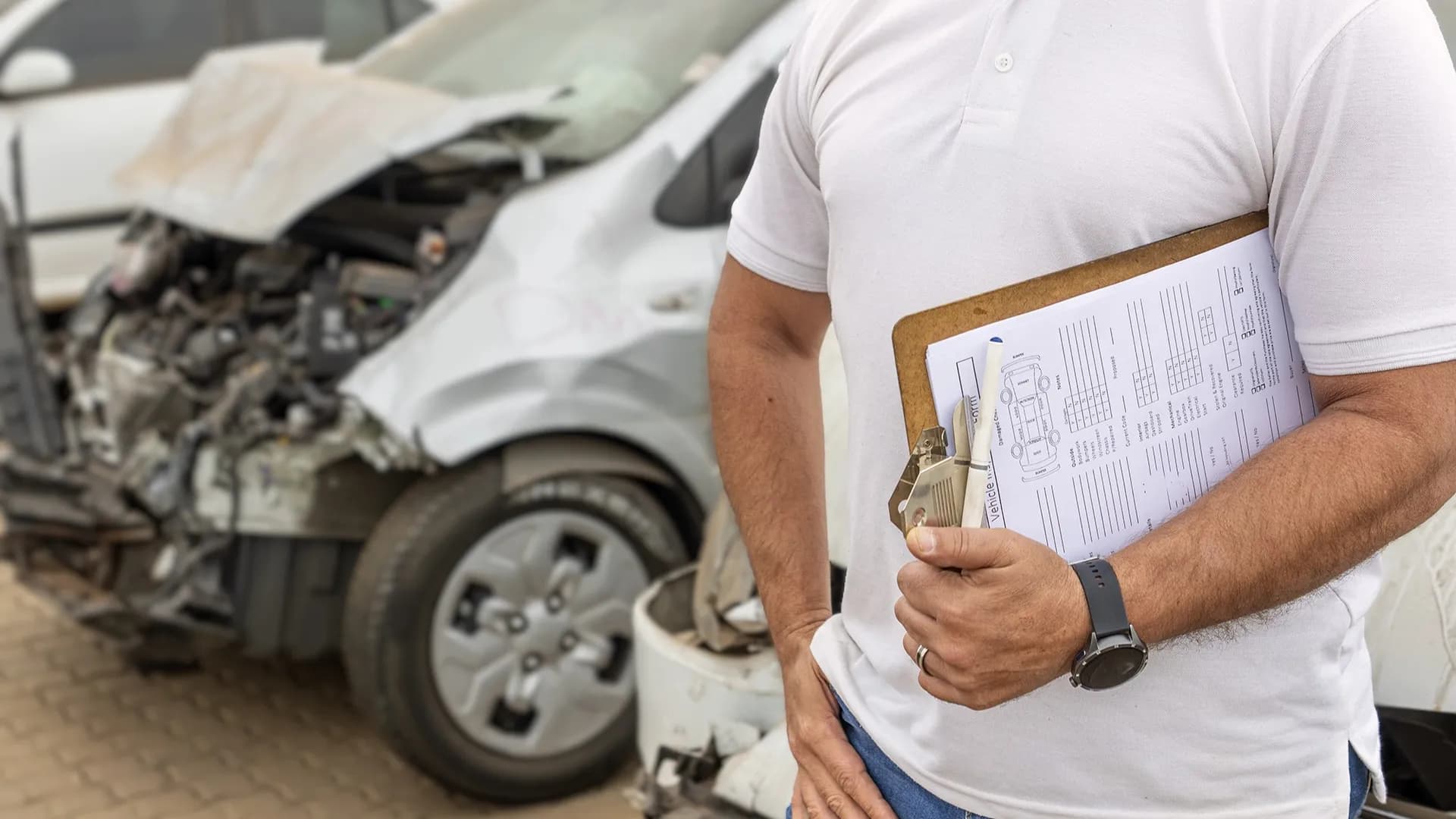
Know Your Buyer Types
Wreckers, rebuilders, auctions and buying services each offer different trade-offs of speed and price.
Prepare Clear Documentation
Photos, registration papers and finance disclosure speed up offers and collection.
Compare Offers Locally
Get multiple quotes across Johannesburg, Cape Town, Durban and nationwide before selling.
Overview: The salvage-car buyer landscape in South Africa
If you own a salvage, written-off or severely damaged vehicle and are asking how to find buyers for salvage cars in South Africa, this guide walks through the realistic routes buyers use, what affects offers, and how to prepare your car for sale. Salvage buyers include specialised wreckers and recyclers, salvage dealers, trade buyers (repair shops and rebuilders), online marketplaces and vehicle-buying services. Each buyer type values condition, parts demand and legal clarity differently.
Where buyers typically look
- Salvage yards and wreckers that purchase vehicles for parts or scrap.
- Specialist salvage dealers and rebuilders who repair and resell vehicles or rebuild for export.
- Online marketplaces and auction platforms where trade buyers bid.
- Vehicle-buyer services that offer quick cash and handle towing and paperwork.
Each channel has pros and cons: wreckers often pay less but collect quickly; rebuilders may pay more if the chassis and major components are intact; online auctions can reach a wider buyer pool but may add fees and delays. Knowing which route fits your vehicle and timeline helps you reach the right buyers faster.
Quick check: Should you market privately or sell to a specialist?
- If your vehicle is non-running, heavily damaged, or written-off, specialist buyers and wreckers are usually the fastest option.
- If damage is cosmetic and the car can be made roadworthy cost-effectively, private sale after repair may yield higher net value.
- For fleet managers with multiple salvage units, trade buyers and bulk-purchase salvage dealers are worth targeting.
Note: If you prefer a quick, low-hassle sale with towing and paperwork handled, a vehicle-buying service can be an efficient route. See how our process works on the About / How it works page.
When to sell versus repair
Deciding whether to sell a salvage car or repair it depends on repair cost, the car's pre-accident value, and how much value (if any) repairs will retain. Repairs can be worthwhile for late-model, high-demand vehicles where the cost to repair is a reasonable share of market value. For older cars or severe damage, selling as salvage often reduces risk and delays.
| Scenario | Repair cost (estimate) | Likely retained value after repair |
|---|---|---|
| Minor body damage, running | R5,000-R20,000 | High (80-95% of pre-accident market value) |
| Major structural or engine damage | R30,000-R100,000+ | Low (40-70% depending on repairs and certification) |
| Non-running, parts-only | N/A (sold as-is) | Value based on parts/scrap market |
Figures above are illustrative estimates in South African R and will vary by region, make, model and salvage demand. For industry context, bulk buyers in Gauteng may pay differently to coastal buyers in Cape Town or Durban because parts demand and logistics differ.
How the process works with different buyers
Approach each buyer type with clear photos, a written damage summary and documentation (registration, ID, and any finance details). Many buyers will require an inspection or ask for additional photos. Below are practical steps to connect with each buyer type:
- Wreckers/scrap yards: Call local yards, provide photos and accept an on-the-day collection - ideal for quick removal.
- Salvage dealers/rebuilders: Market via specialist classifieds, supply repairable-condition photos, and negotiate conditional offers.
- Online marketplaces/auctions: List with clear damage descriptions; expect buyer queries and fees for auction listings.
- Vehicle-buying services: Submit an online form, receive an offer, and if accepted they often handle towing and paperwork - useful for private sellers and fleets.
If you’d like an immediate sell option that handles collection and admin, consider our online valuation tools on the homepage or the dedicated Sell Damaged Cars page for detail on services and inclusions.
Legal & paperwork in South Africa
Before transferring ownership, confirm the vehicle is not under finance and that you can supply required documents. Buyers will ask for a clear ID, vehicle registration papers (or written proof if lost), and a completed transfer form when applicable. If the vehicle is deregistered or written off, buyers experienced in salvage will guide the correct procedures.
Finance & outstanding debt
If the car is bonded, you must inform the lender. Many salvage buyers will not complete a purchase until the bond is settled or will coordinate payment through the lender as part of the sale. Disclosure prevents later legal complications and protects both parties.
Tips to maximise your offer
- Present clear, well-lit photos from multiple angles-interior, engine bay, VIN/chassis plate and all damage areas.
- Compile service history and proof of recent maintenance-this can increase interest from rebuilders.
- Be honest about damage-accurate descriptions reduce inspection disputes and speed up offers.
- Get multiple quotes from wreckers, salvage dealers, auction platforms and vehicle-buying services.
- For fleets, package multiple salvage cars together; bulk sales can attract trade buyers and better per-vehicle pricing.
| Damage type | Typical offer impact |
|---|---|
| Cosmetic (bumper, panel) | Small reduction; higher resale potential after repair |
| Structural (chassis) | Significant impact; often sold for parts or scrap |
| Powertrain/engine | Moderate-to-high impact; value if major components recoverable |
| Flood or fire damage | High impact; costly to repair and often sold for parts/salvage |
What happens after collection
After you accept an offer and arrange collection, reputable buyers typically handle towing and final paperwork. Expect the buyer to provide a written receipt, confirmation of ownership transfer steps, and payment terms. If the buyer handles deregistration, ask for confirmation once the process is complete. For transparency, keep copies of all documents and bank payment confirmations.
Practical example
A private seller in Durban with a non-running saloon could list with local wreckers, post on auction sites and submit to a vehicle-buying service. Comparing three offers-wrecker (fast removal, lower cash), auction (wider buyer pool, fees apply) and a buying service (free towing, paperwork handled)-helps the seller choose the best trade-off of speed, certainty and net proceeds.
If you want a straightforward online option that handles collection and admin, see our Sell Non-Running Car page for details on required information and how offers are provided.
Final checklist before contacting buyers
- Photos: multiple angles, VIN/chassis, odometer and damage close-ups.
- Documents: registration papers, ID copy, proof of ownership and finance details.
- Honesty: clear disclosure of prior repairs, flood or fire history.
- Compare: get at least two offers from different buyer types before deciding.
Sources
- South African Department of Transport - vehicle and registration guidance
- NAAMSA - market and industry insights for South African motor industry
- Sell Your Damaged Car - how our nationwide process works
This guide is intended to help South African owners understand practical routes to find salvage buyers and what to expect. Values and buyer behaviour vary by make, model and region-seek multiple quotes and choose the buyer whose collection, paperwork handling and payment terms suit your needs.
Seasoned automotive specialists dedicated to helping you turn your damaged or non-running vehicle into cash fast and hassle-free.
Disclaimer: This content is for educational purposes only. Product availability, pricing, and specifications are subject to change. Always verify current details on the retailer's website before making a purchase. We may earn affiliate commissions from qualifying purchases.
Why sell your damaged car to us?

A Division of Auction Nation, the leading expert in selling damaged cars

Best price for your damaged car

Get a cash offer within 24h

We buy damaged cars in any condition

We buy accident- damaged cars still under finance

Free, no obligation offer on your vehicle
How We Calculate Your Damaged Car’s Value
Wondering how we calculate your car’s value? At Sell Your Damaged Car, we look at: Your car’s real condition, its salvage value, and the current market demand. It’s all about honesty, transparency, and fairness — that’s how we determine your offer.
Frequently Asked Questions
Get answers to common questions about Selling Guides
Why Choose Sell Your Damaged Car?
Free Towing
Need a tow? We got you
Hassle Free
Get a cash offer within 24h!
Nationwide
Somewhere remote? No problem!
