
How the Car's Age Affects Salvage Value in South Africa
Explore how vehicle age influences salvage offers in South Africa, repair vs sell decisions, paperwork considerations and practical tips to protect value.
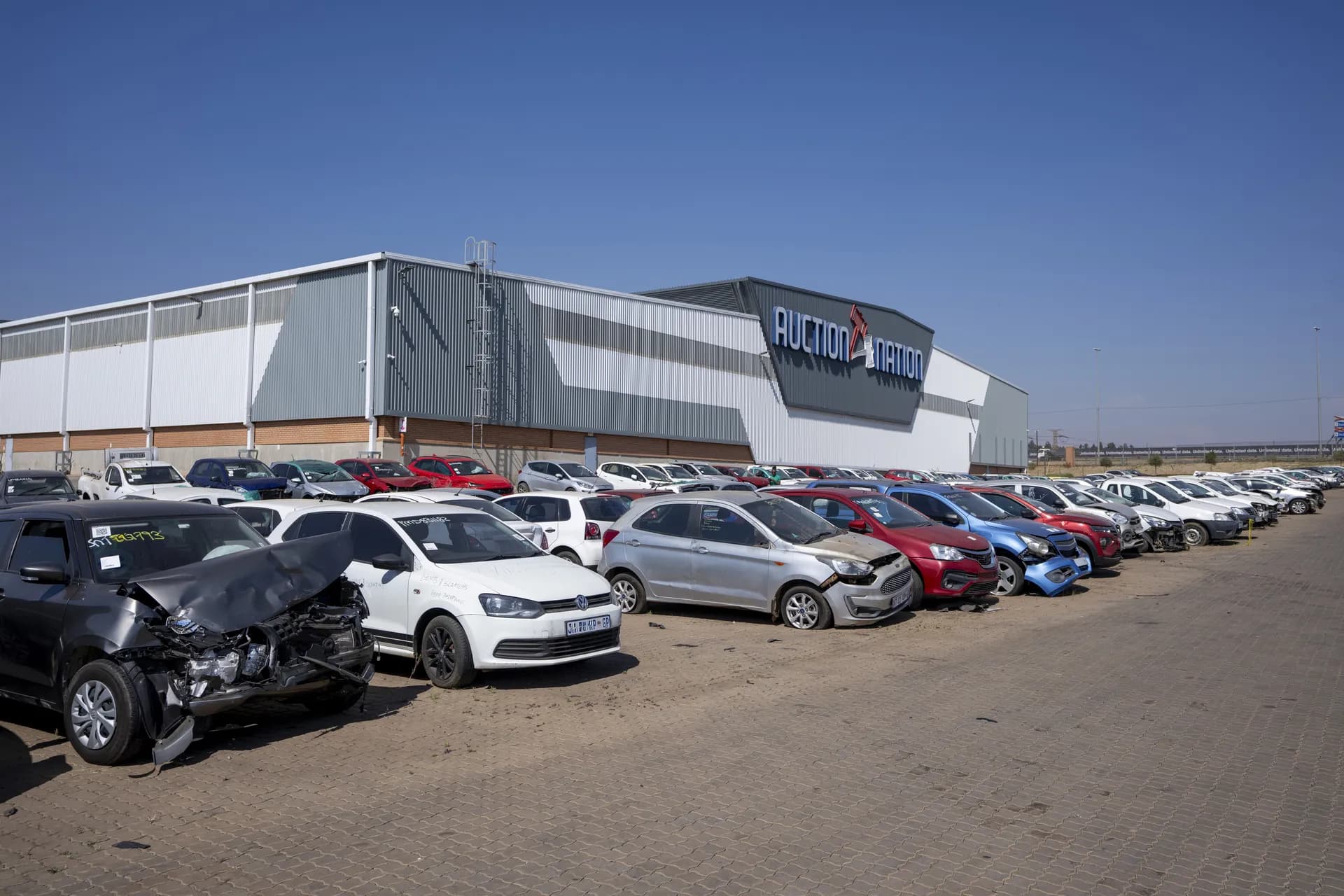
Age Reduces Market Base Value
Older cars typically have lower salvage offers due to lower clean market value.
Damage Type and Parts Demand
Age interacts with damage type and parts availability to shape offers.
Paperwork & Logistics Matter
Free towing and handled paperwork improve net proceeds for sellers.
Overview: how the car's age affects salvage value
Age is a core factor buyers and insurers use to assess a damaged vehicle's salvage value. Older cars typically have lower market value, lower parts demand and higher perceived risk, which together reduce what a salvage buyer will offer. This guide explains the mechanics behind that reduction, shows practical examples in a South African context (values shown as estimates in R), and helps owners decide whether to repair or sell a damaged vehicle.
Key drivers behind age-related value change
- Depreciation: new cars lose value faster in early years, but older cars decline mainly with mileage and condition.
- Parts availability: common models retain better salvage demand; rare or discontinued models fetch less.
- Regulatory and compliance costs: older cars may need more work to meet roadworthiness or deregistration requirements.
- Perceived reliability: buyers discount older vehicles for potential hidden faults that increase refurbishment cost.
Practical note for South African owners
When comparing offers, factor in towing and paperwork. Services that include free towing and handle deregistration can raise your net proceeds even if the headline offer looks similar.
When to sell vs repair (age-specific guidance)
Deciding whether to repair or sell a damaged car depends on repair cost relative to the car's pre-accident market value and future depreciation. For younger vehicles (under ~5 years) repairs may preserve significant retained value. For mid-life vehicles (5-10 years) you should compare repair cost against likely market recovery. For older cars (10+ years), repairs often exceed the value retained, making sale to a salvage buyer more practical.
| Vehicle Age | Typical Market Effect | Seller Consideration |
|---|---|---|
| 0-5 years | Higher salvage base value; strong parts demand | Repair if costs are below 40-60% of pre-accident value (estimate) |
| 5-10 years | Moderate value; parts still available for many models | Compare repair vs salvage offer; consider downtime and reliability |
| 10+ years | Lower salvage value; parts harder to source | Selling for salvage or parts frequently yields better net proceeds |
For an immediate overview of services that handle collection and paperwork nationwide, see our About / How it works page. If your car no longer runs, learn specifics on options at Sell Non-Running Car.
How the valuation process incorporates age
Salvage valuers combine several inputs: the vehicle's clean market value pre-incident, the estimated repair cost, parts resale potential and projected dismantling costs. Age feeds into each input: older vehicles usually have lower clean market value, possibly higher repair costs due to wear, and uncertain parts demand. A 12-year-old car with a moderate accident may be valued primarily for parts rather than repair, while a 2-year-old equivalent might be repairable and therefore attract a higher salvage price.
Examples with South African context
Example estimates below are illustrative and rounded to the nearest R; actual figures vary by make, model and condition. These examples are to show relative impact only.
- Recent compact hatch (3 years): pre-accident market R120,000; repair estimate R40,000 ? salvage buyer may value for repair or parts higher than older equivalent.
- Mid-life sedan (7 years): pre-accident market R65,000; repair estimate R35,000 ? buyer may lean to part out depending on parts demand.
- Older bakkie (12 years): pre-accident market R45,000; repair estimate R30,000 ? often sold for parts/dismantle yield rather than full repair.
For a practical selling route that includes free towing and nationwide coverage, our main site explains the straightforward online valuation process: Sell Your Damaged Car homepage.
Legal & paperwork in South Africa
Legal steps after agreeing a salvage sale typically include transfer of ownership, deregistration or a written sale agreement, and settling any outstanding finance. If the vehicle is under finance, lenders must be notified and their consent obtained; outstanding balances are often settled from sale proceeds. Services that manage paperwork and deregistration reduce risk and administrative burden for sellers.
Damage types vs typical offer impact
| Damage Type | Typical Offer Impact | Age Sensitivity |
|---|---|---|
| Structural/frame damage | Large negative impact; often written off | High: older cars rarely justify structural repair |
| Mechanical failure (engine/transmission) | Moderate to large negative impact | Moderate: parts value matters more for older models |
| Cosmetic/limited damage | Smaller impact; repairable in many cases | Lower: younger cars retain more repair value |
| Flood or fire | Severe negative impact; often parts-only | High: age increases likelihood of parts-only valuation |
Tips to maximise your salvage offer
- Provide thorough photos and accurate mileage - transparency builds trust and can improve offers.
- Keep service history and records handy; evidence of regular maintenance helps value retention, especially for older cars.
- Clarify outstanding finance early - offers that account for clear title move faster.
- Choose buyers who include free towing and handle paperwork to avoid net loss from logistics fees.
- Obtain multiple offers where practical to benchmark the market for your car's age and damage profile.
What happens after collection
After you accept a salvage offer, the buyer typically arranges free collection, completes required transfer paperwork, and either pays you immediately or releases funds once title transfer is confirmed. For vehicles sold with outstanding finance, expect coordinated settlement with the lender. Once collected, the vehicle goes to repair, salvage auction or parts dismantling depending on the agreed route and age-based economics.
For details on selling damaged vehicles of different conditions and ages, see our guidance pages on selling damaged vehicles: Sell Damaged Cars and if the vehicle won't start, the Sell Non-Running Car resource.
Final considerations
Age is one of several interacting factors that determine salvage value. Model popularity, parts demand, damage type and legal encumbrances matter just as much. By understanding how age shifts the balance between repair and parting out, South African owners - whether private or fleet - can make better-informed, lower-risk decisions when selling damaged vehicles.
Sources
Seasoned automotive specialists dedicated to helping you turn your damaged or non-running vehicle into cash fast and hassle-free.
Disclaimer: This content is for educational purposes only. Product availability, pricing, and specifications are subject to change. Always verify current details on the retailer's website before making a purchase. We may earn affiliate commissions from qualifying purchases.
Why sell your damaged car to us?

A Division of Auction Nation, the leading expert in selling damaged cars

Best price for your damaged car
Get a cash offer within 24h

We buy damaged cars in any condition

We buy accident- damaged cars still under finance

Free, no obligation offer on your vehicle
How We Calculate Your Damaged Car’s Value
Wondering how we calculate your car’s value? At Sell Your Damaged Car, we look at: Your car’s real condition, its salvage value, and the current market demand. It’s all about honesty, transparency, and fairness — that’s how we determine your offer.
Frequently Asked Questions
Get answers to common questions about Comparison And Alternatives
Why Choose Sell Your Damaged Car?
Free Towing
Need a tow? We got you
Hassle Free
Get a cash offer within 24h!
Nationwide
Somewhere remote? No problem!
