
How Much of a Car Is Recyclable in South Africa? Practical Guide for Owners
Explore which parts of a vehicle are recyclable in South Africa, typical recoverable percentages, legal and paperwork considerations, and tips to maximise recovery value.
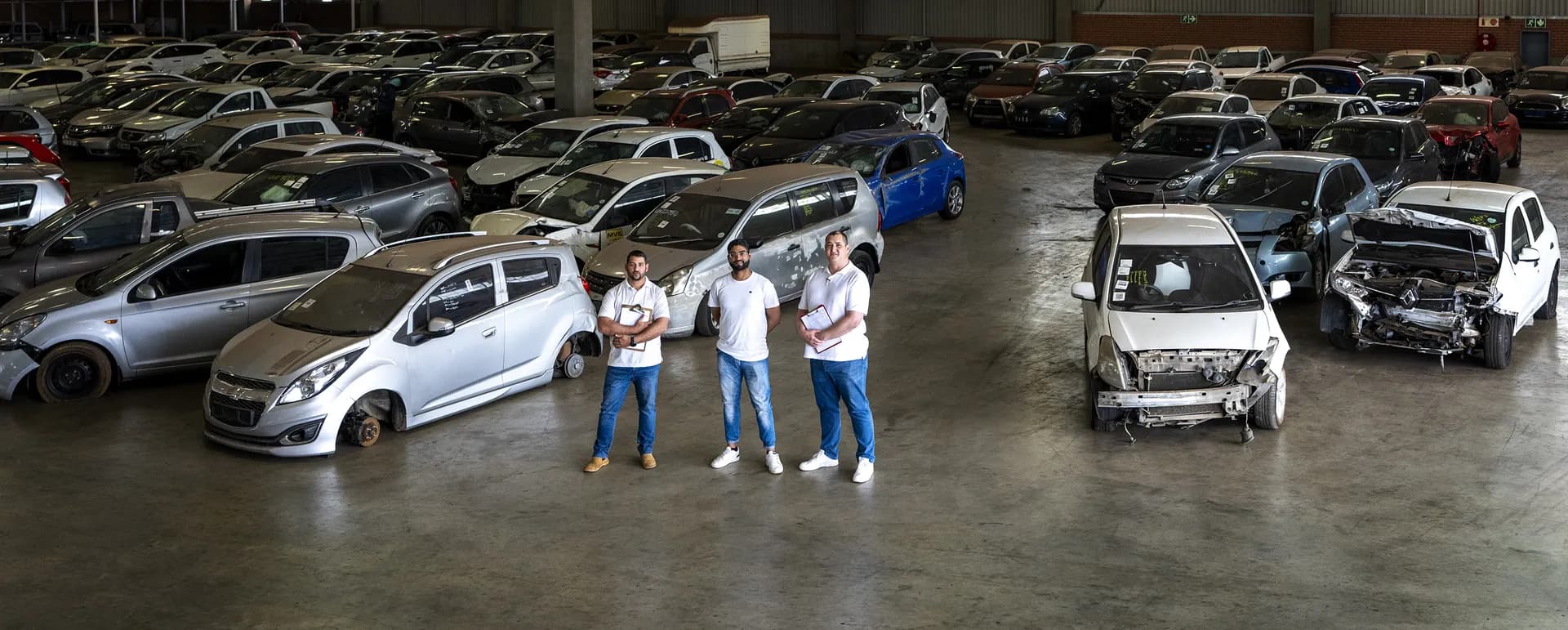
High Metal Recovery
Most vehicle weight (70%+) is often recyclable metal after de-pollution.
Parts Add Value
Usable engines, gearboxes and catalytic converters can exceed scrap metal value.
Follow SA Rules
Deregistration, de-pollution and finance checks are essential for compliant recycling.
Overview: vehicle recyclability in South Africa
When you ask how much of a car is recyclable in South Africa, the short answer is: a large portion of modern vehicles contains recyclable materials, but the exact recoverable percentage depends on the vehicle age, damage type and local market demand. Typical recoverable materials include steel and aluminium, catalytic converter substrates, lead-acid batteries, tyres, glass, plastics and usable mechanical components such as engines and gearboxes where condition permits. Estimates vary by component; this guide explains common ranges and practical implications for South African owners considering whether to repair, sell for salvage or recycle.
Common recyclable components and typical recovery
- Steel and iron bodywork and chassis - often the largest mass component and highly recyclable.
- Aluminium engine parts and wheels - valuable for scrap and reprocessing.
- Catalytic converters - contain precious metals recovered by specialist recyclers.
- Batteries - lead-acid batteries are widely recycled in South Africa when handled correctly.
- Tyres, glass and select plastics - recycling options exist but vary in availability and economics.
Estimated recyclability by mass (typical ranges)
Based on materials commonly found in passenger vehicles, the recoverable mass can often be 70%-85% by weight for vehicles where metal and major components are intact. These are estimates and will vary depending on corrosion, contamination (oil, refrigerants), and whether components are economically recoverable.
| Component | Typical share of vehicle mass | Recyclability notes (SA context) |
|---|---|---|
| Steel/Iron | 60%-70% | High demand from scrap yards across South Africa; easy to collect if de-polluted. |
| Aluminium | 5%-10% | Valuable but requires segregation; wheels and engine parts recoverable. |
| Plastics & Rubber | 5%-10% | Tyres and some plastics recyclable, but local processing capacity varies by region. |
| Glass | 1%-3% | Windscreens and glass can be recovered; careful handling required due to adhesives. |
| Batteries & Catalytic Materials | <1%-2% | High-value recycling streams (lead, precious metals) managed by specialist facilities in SA. |
Note: percentages are approximate and shown as ranges. In South Africa, recyclability is influenced by proximity to specialist recyclers, contamination level, and legal requirements for de-pollution and fluid handling.
If you are assessing a damaged vehicle, consider whether usable parts (engine, gearbox, airbags, wiring harnesses) are intact - these often add more value than raw scrap weight. For a practical selling route and an estimate of your vehicle’s condition impact, see the Sell Damaged Cars page on our site Sell Damaged Cars and the homepage for service scope Sell Your Damaged Car.
When to sell vs repair: recyclability matters
Deciding whether to repair or sell depends on repair cost, remaining market value and how much of the vehicle is recoverable. If the cost to return the car to a safe, legal roadworthy state exceeds its likely resale value, selling for salvage or recycling is often the pragmatic choice - particularly for older vehicles where recyclability by weight yields meaningful recovery.
| Scenario | Repair cost vs retained value | Recommendation |
|---|---|---|
| Minor damage; good resale potential | Repair cost lower than retained market value | Repair and sell privately or trade-in. |
| Structural/total loss on older vehicle | Repair cost often exceeds vehicle market value | Consider salvage sale or recycling to recover material and parts value. |
| Non-running with reusable parts | High parts value may exceed scrap value | Part-out or sell to a buyer who pays for usable components. |
For many South African owners, the option to sell a damaged or non-running vehicle to a specialist buyer avoids storage costs, towing arrangements and the time involved in private sales. For guidelines on selling non-running vehicles, review our Sell Non-Running Car page Sell Non-Running Car.
How the recycling and salvage process works in SA
Recyclers and salvage buyers follow a sequence: assessment, de-pollution (draining fluids, safe removal of hazardous items), dismantling usable parts, and sending remaining metal and materials to appropriate processors. In South Africa this must be done in line with environmental regulations for hazardous waste and air-quality controls for facilities that process catalytic converters and batteries.
Legal & paperwork considerations in South Africa
Before transfer or recycling, ensure clear title and follow deregistration rules where applicable. If the vehicle is still under finance, you must notify the financier - they may need to be paid out or provide consent for sale. The national traffic and registration systems require proper transfer of ownership; specialist buyers often assist with deregistration and paperwork to simplify the process for owners.
For more detail on how the buying and paperwork process is handled by experienced purchasers, see our About / How it works page About / How it works.
Damage types vs typical offer impact
| Damage type | Effect on recyclability & offers |
|---|---|
| Cosmetic (panels, paint) | Panels recoverable for scrap; reusable parts possible if undamaged. |
| Structural/frame damage | Limits reuse of chassis; increases focus on material recycling rather than part resale. |
| Flood/fire damage | Contamination can reduce value of electricals and interiors; metal remains recyclable after safe processing. |
| Non-running mechanical failures | Engines or gearboxes in repairable condition can fetch part-value beyond scrap weight. |
Tips to maximise recovery value
- Provide clear photos and accurate descriptions - buyers pay more for clearly documented reusable parts.
- Remove personal items and provide logbooks or service history when available - documentation can increase buyer confidence.
- If the battery or catalytic converter is intact, disclose this - these items have separate, often higher-value recycling streams in South Africa.
- Use reputable buyers who handle de-pollution and deregistration to avoid legal and environmental liabilities.
What happens after collection
After the vehicle is collected, a responsible recycler will carry out de-pollution (draining oils, coolant, refrigerant recovery where required), remove hazardous components, and sort parts for resale. Metals are baled and sold to smelters; batteries and catalytic converters are sent to licensed processors. Expect documentation of transfer of ownership and proof of deregistration where applicable.
For owners in Johannesburg, Cape Town, Durban and surrounding areas, local recycling networks and salvage buyers make it practical to recover value without long-distance transport. If you want to compare selling options for damaged or non-running vehicles, our Sell Non-Running Car and Sell Damaged Cars pages explain the typical steps and services offered by specialist buyers Sell Non-Running Car and Sell Damaged Cars.
Sources
- Department of Forestry, Fisheries and the Environment (South Africa) - regulations and guidance on hazardous waste and de-pollution.
- Statistics South Africa - vehicle parc and market data used for context (figures referenced are estimates).
- World Steel Association - reference material on steel recycling rates and processes (applied here to vehicle steel content).
Notes: figures and percentages are presented as industry-informed estimates for South Africa and should be treated as indicative rather than definitive. Where precise valuation or compliance guidance is needed (for finance settlement, deregistration or hazardous-waste handling), consult your financier, local traffic authority or licensed recycler.
Seasoned automotive specialists dedicated to helping you turn your damaged or non-running vehicle into cash fast and hassle-free.
Disclaimer: This content is for educational purposes only. Product availability, pricing, and specifications are subject to change. Always verify current details on the retailer's website before making a purchase. We may earn affiliate commissions from qualifying purchases.
Why sell your damaged car to us?

A Division of Auction Nation, the leading expert in selling damaged cars

Best price for your damaged car

Get a cash offer within 24h

We buy damaged cars in any condition

We buy accident- damaged cars still under finance

Free, no obligation offer on your vehicle
How We Calculate Your Damaged Car’s Value
Wondering how we calculate your car’s value? At Sell Your Damaged Car, we look at: Your car’s real condition, its salvage value, and the current market demand. It’s all about honesty, transparency, and fairness — that’s how we determine your offer.
Frequently Asked Questions
Get answers to common questions about Tips And Advice
Why Choose Sell Your Damaged Car?
Free Towing
Need a tow? We got you
Hassle Free
Get a cash offer within 24h!
Nationwide
Somewhere remote? No problem!
