
How Much Is a Written-Off Car Worth for Parts in 2025? South Africa Guide
Learn what affects a written-off car’s parts value in 2025 in South Africa, how buyers assess salvage, paperwork and tips to maximise offers.
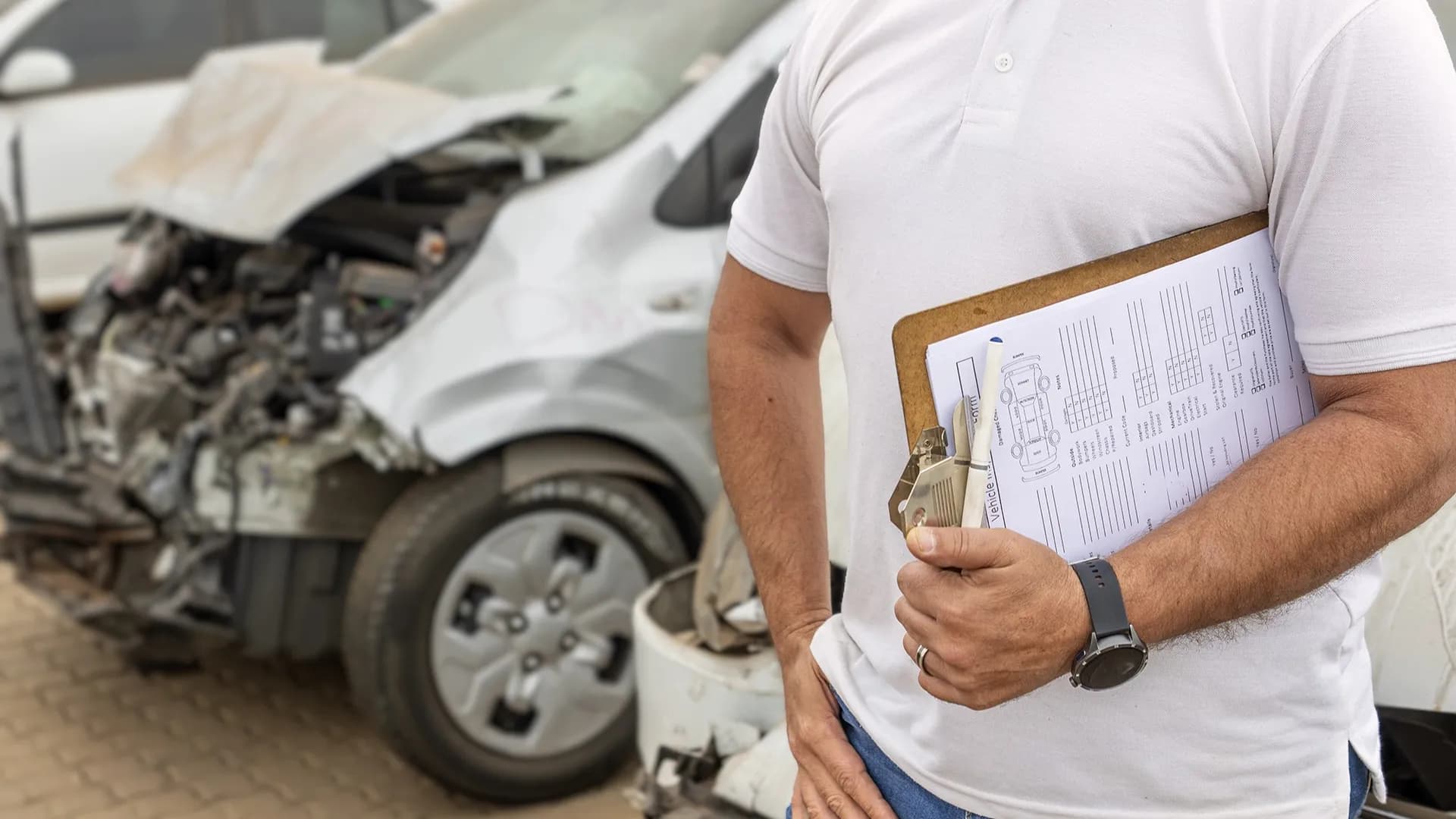
Parts Value Depends on Condition
Engines, transmissions and electronics command the most value when intact.
Compare Specialist Offers
Get multiple valuations; look for included towing and paperwork handling.
Legal Steps Matter
Resolve finance and complete transfer to avoid future liability.
Overview: valuing a written-off car for parts in 2025
If you’re asking how much is a written-off car worth for parts in 2025, the short answer is: it depends. Value for parts is driven by make, model, year, demand for specific components, overall condition after the loss event, and the prevailing salvage market in South Africa. This guide explains the main drivers of parts value, how sellers typically realise that value, and practical steps to get a transparent, competitive cash offer from a specialist buyer.
Key factors that determine parts value
- Vehicle rarity and desirability: popular models and luxury brands often have higher parts demand.
- Which parts remain intact: engines, transmissions, ECUs, catalytic converters, and body panels carry different market values.
- Condition and mileage: lower mileage and intact mechanical systems increase resale value.
- Damage type: flood, fire and frontal impact affect salvageability of different components differently.
- Local demand and scrap metal prices in South Africa, which can shift quickly.
Common high-value components (estimates are indicative)
Some components typically retain more value for parts buyers. The figures below are broad South Africa-focused ranges for 2025 markets and are illustrative only; actual offers depend on condition and market demand.
| Component | Typical resale range (R, estimate) | Notes |
|---|---|---|
| Engine (complete, running) | R5,000 - R40,000 | Range varies by size, mileage and model. |
| Transmission | R3,000 - R25,000 | Manual units often fetch different prices to automatics. |
| Airbags (unused/intact) | R500 - R4,000 | Legal restrictions and testing may apply. |
| Catalytic converter | R800 - R15,000 | Depends on precious metal content and model. |
| Body panels, doors, bonnet | R300 - R7,000 | Price depends on paint, condition and fitment demand. |
Repair cost vs retained value - a quick comparison
| Scenario | Typical repair cost (R, est.) | Value retained after repair (estimate) |
|---|---|---|
| Minor accident (cosmetic) | R5,000 - R25,000 | 70% - 95% of market value |
| Major structural damage | R30,000 - R150,000+ | 20% - 60% of market value |
| Flood or fire damage | Variable - often uneconomic | Often low; parts market may be better route |
Note: These tables are indicative and use South African market context for 2025. Figures are estimates and will vary by region, condition and buyer.
Where to sell a written-off car for parts in South Africa
You can sell components individually through online marketplaces or use a specialist buyer who purchases the whole vehicle for parts. Selling parts yourself may take longer and involve negotiation and transport. Specialist buyers offer faster, consolidated options and usually handle towing and paperwork. For an overview of how specialist services work, see our About / How it works page and the Sell Damaged Cars service details.
When to sell parts vs attempt repair
Deciding whether to sell for parts or repair depends on repair cost, time, and future resale prospects. If repair costs approach or exceed a substantial share of the car’s market value, or if structural or flood damage compromises reliability, selling for parts is often the more practical option. For non-running vehicles that require complex mechanical intervention, see our Sell Non-Running Car guidance.
How the sale-for-parts process typically works
Specialist buyers and scrapyards usually follow a consistent process: you provide vehicle details and images, they assess the likely parts value, they make an indicative offer, and on acceptance they collect the vehicle, handle paperwork and arrange payment. Many reputable services in South Africa include free towing and manage deregistration and transfer documents to reduce your admin burden.
Legal and paperwork considerations in South Africa
When selling a written-off car for parts, ensure the transfer of ownership and deregistration steps are completed to protect you from future liabilities. If the vehicle is financed, inform the finance provider - written-off vehicles often require settlement of the finance account before transfer can proceed. Specialist buyers commonly assist with paperwork, including deregistration and providing a written receipt. For a breakdown of typical buyer responsibilities, review our homepage explanation of services.
Damage types vs typical offer impact
| Damage type | Typical parts-market impact |
|---|---|
| Frontal impact | Engines and front-end electronics may be compromised; body panels in demand if undamaged. |
| Side/door damage | Doors, window regulators and interior trim can retain good value. |
| Flood damage | Electricals and interiors often affected; mechanical parts may still be salvageable after inspection. |
| Fire damage | Limited salvage value for sensitive components; metals and some body parts may still have value. |
Tips to maximise the parts value
- Document condition with clear photos and mileage - buyers pay more for well-documented vehicles.
- Identify intact high-value components (engine, gearbox, electronics) and highlight them in the listing.
- Be honest about structural or flood damage - transparency speeds transaction and avoids disputes.
- Compare offers from specialist buyers rather than accepting the first quote.
- Ask whether towing, deregistration and finance settlement (if applicable) are included.
What happens after collection
After collection, the buyer will process paperwork and either dismantle the vehicle for parts, sell usable sub-assemblies, or recycle non-salvageable materials. Reputable buyers provide a receipt, complete transfer of ownership where required, and confirm payment. If you have outstanding finance on the vehicle, ensure the buyer coordinates settlement so the finance account is closed and the registration can be cleared.
Practical South Africa scenarios and examples
In metro areas such as Johannesburg, Cape Town and Durban there is typically stronger demand for late-model parts, which can increase resale options. Rural and outlying regions may have fewer direct buyers for specific components, but specialist services operate nationwide and often provide free towing to a regional dismantler. For details about services that collect nationwide and manage admin, see our Sell Non-Running Car page and our Sell Damaged Cars details for practical next steps.
Sources
- Department of Transport - official guidance and vehicle registration information
- AA South Africa - automotive market insights and salvage considerations
- AutoTrader South Africa - used parts and vehicle market trends
If you need an expert assessment of parts value, gather photos of key components, note mileage and damage type, and request multiple written offers. Specialist buyers who provide free towing and paperwork assistance make the sale-for-parts route faster and simpler across South Africa.
Seasoned automotive specialists dedicated to helping you turn your damaged or non-running vehicle into cash fast and hassle-free.
Disclaimer: This content is for educational purposes only. Product availability, pricing, and specifications are subject to change. Always verify current details on the retailer's website before making a purchase. We may earn affiliate commissions from qualifying purchases.
Why sell your damaged car to us?

A Division of Auction Nation, the leading expert in selling damaged cars

Best price for your damaged car

Get a cash offer within 24h

We buy damaged cars in any condition

We buy accident- damaged cars still under finance

Free, no obligation offer on your vehicle
How We Calculate Your Damaged Car’s Value
Wondering how we calculate your car’s value? At Sell Your Damaged Car, we look at: Your car’s real condition, its salvage value, and the current market demand. It’s all about honesty, transparency, and fairness — that’s how we determine your offer.
Frequently Asked Questions
Get answers to common questions about Selling Guides
Why Choose Sell Your Damaged Car?
Free Towing
Need a tow? We got you
Hassle Free
Get a cash offer within 24h!
Nationwide
Somewhere remote? No problem!
