
How Much Is a Fire-Damaged Car Worth in South Africa? - Practical Valuation Guide
Discover the factors that determine how much a fire-damaged car is worth in South Africa, repair vs sell guidance, paperwork and tips to maximise offers.
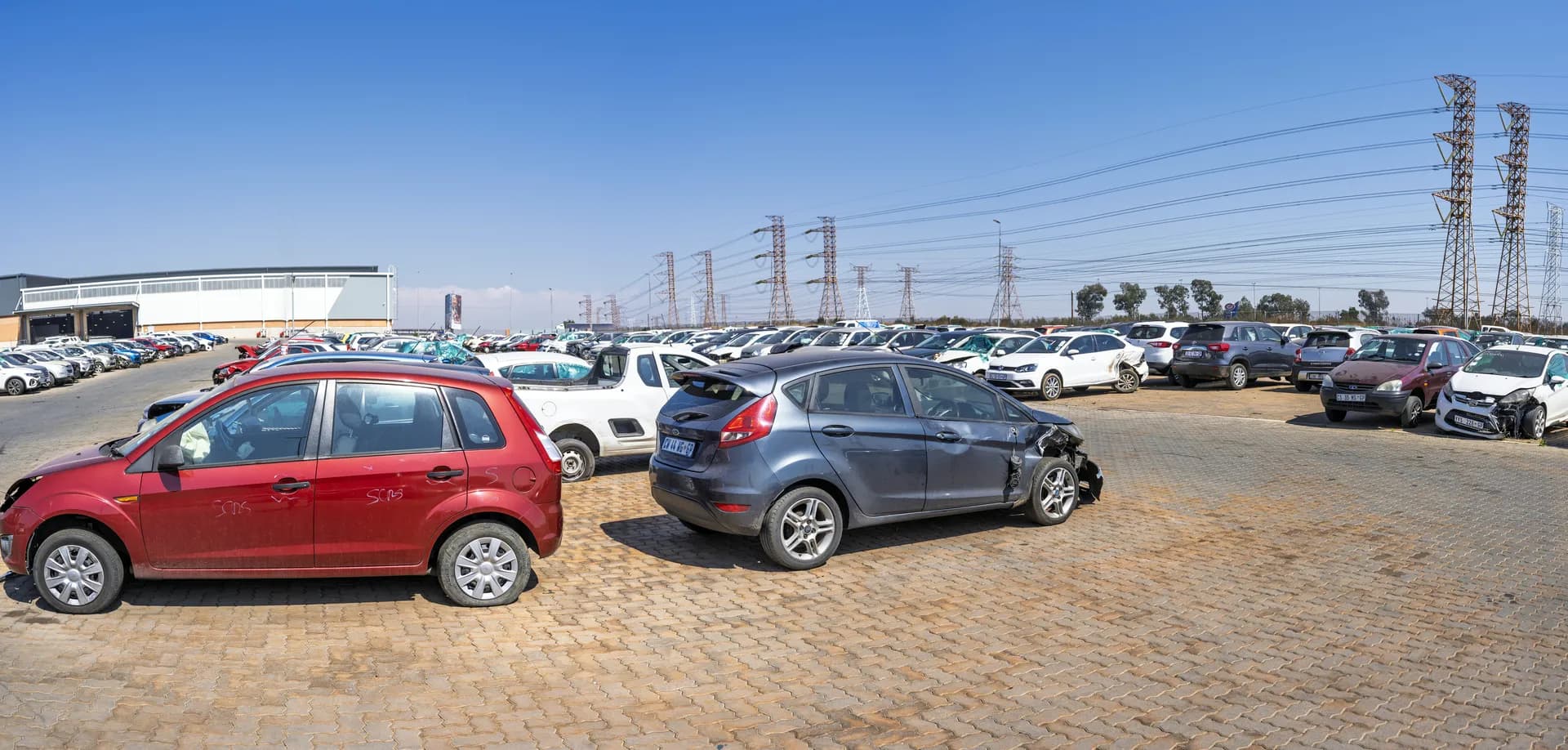
Value Depends on Damage
Extent of fire, structural and electrical damage drives offers.
Repair vs Sell
If repair costs near value, selling to a specialist is often smarter.
SA Practicalities
Nationwide collection, deregistration and finance checks shape the sale.
Overview: Understanding fire-damaged car value
If you’re asking how much is a fire-damaged car worth, the short answer is: it depends. Value for a fire-damaged vehicle in South Africa is set by a mix of pre-damage market value, extent of fire and heat damage, mechanical and electrical condition after the fire, salvage demand, and the cost or feasibility of repair. Offers from buyers reflect those variables plus administrative costs such as towing, deregistration and legal checks.
Key factors buyers assess
- Pre-incident market value (make/model/year/mileage).
- Extent of structural, engine, wiring and interior fire damage.
- Presence of airbag deployment and chassis compromise.
- Vehicle history: service records, outstanding finance, and salvage classification.
- Local salvage demand in South Africa and recyclable parts value.
Note: This guide explains the valuation approach used by professional buyers and salvage markets in South Africa. It does not quote specific offers - actual amounts vary by vehicle and condition.
When to sell vs repair a fire-damaged car
Deciding whether to repair or sell a fire-damaged vehicle is often financial but also practical. Repairs can be viable for low-heat, localized fires where wiring and trim are the main issues. However, large fires that affect the engine bay, wiring looms, ABS, airbags or the structural elements often mean repair costs quickly exceed realistic retained value.
Repair cost vs value retained (estimates for South Africa)
| Repair scenario | Typical repair cost (R, estimate) | Likely value retained after repair |
|---|---|---|
| Minor interior fire (upholstery, trim) | R5,000 - R25,000 (estimate) | 50%-80% of pre-incident value, depending on age |
| Moderate fire (wiring harness, small engine components) | R25,000 - R80,000 (estimate) | 30%-60% of pre-incident value |
| Severe fire (engine bay, chassis heat, airbags) | R80,000+ (often uneconomic) | Often less than 30% of pre-incident value |
These ranges are illustrative estimates in R and will vary by vehicle age, parts availability and labour rates in South Africa. When repair costs approach or exceed the retained market value, selling to a specialist is often faster and lower risk.
How the valuation process works for fire-damaged cars
Professional buyers and salvage yards typically follow a consistent process: inspect photos, assess mechanical and structural impact, check vehicle history (including outstanding finance), and estimate salvageable parts value. Many services provide an online estimate based on photos and details, then a final offer after an in-person inspection or collection.
What you should prepare for a fast, accurate estimate
- Clear photos: exterior, engine bay, interior, VIN plate and odometer.
- Details: make, model, year, km, brief fire cause if known, and service history.
- Disclosure of finance or outstanding debt on the vehicle.
If you want a straightforward online route to get a competitive cash offer for a fire-damaged vehicle, consider submitting details through a specialist buyer. For more on condition-specific pages, see Sell Damaged Cars and options for non-runners at Sell Non-Running Car.
Legal & paperwork considerations in South Africa
In South Africa, selling a fire-damaged car requires correct transfer or deregistration steps. Buyers will check for outstanding finance; if a vehicle is still financed, settlement or written approval from the finance house is typically required before transfer. Professional purchasers often assist with paperwork, deregistration and lien checks to speed up the process.
Salvage market and insurance context
Insurers may declare a car written-off if repair costs exceed a certain percentage of market value. That classification affects resale and repair prospects. A salvage market exists for reusable parts and scrap metal; demand for parts (e.g., undamaged panels, wheels, glass) influences what buyers offer.
Damage types vs typical offer impact
| Damage type | Typical effect on offers |
|---|---|
| Surface/interior smoke damage | Moderate reduction - some salvageable value |
| Wiring loom and electronics damaged | Significant reduction - costly to replace |
| Engine bay or structural heat damage | Major reduction - often sold for parts or scrap |
Tips to maximise the value of a fire-damaged car
- Provide detailed photos and honest descriptions - transparency builds trust and avoids delayed offers.
- Keep service history and receipts ready - proof of maintenance can improve pre-damage valuation.
- Disclose finance status early - resolving finance queries speeds settlement.
- Compare offers from specialists and salvage buyers rather than private buyers who may undervalue salvage vehicles.
What happens after collection
Once you accept an offer and collection is scheduled, a reputable buyer will arrange free towing and handle paperwork, including deregistration and bank payment. In South Africa, many specialist services operate nationwide, collecting from Johannesburg, Cape Town, Durban and surrounding regions.
If you want to understand the buyer’s full process and customer protections, read about the company and process at About / How it works or start the online valuation on the Sell Your Damaged Car homepage.
Example South Africa scenarios (experience-based)
- Older hatchback with interior smoke damage: repairable but often sold to a specialist when repair costs approach resale value.
- Late-model sedan with engine-bay fire and airbag deployment: frequently moved to salvage market due to high repair costs and parts scarcity.
- Light commercial fleet vehicle with localized cab fire but sound chassis: parts and repairability can keep salvage value reasonable for fleet operators.
Practical next step: Gather photos, note any finance, and get multiple specialist valuations to compare offers and turnaround for collection and payment.
Sources
- South African Department of Transport - vehicle registration and transfer information
- South African Insurance Association (SAIA) - guidance on write-off and salvage practices
- AA South Africa - vehicle valuation and common repair-cost considerations
- National Consumer Commission South Africa - consumer rights when selling vehicles
Seasoned automotive specialists dedicated to helping you turn your damaged or non-running vehicle into cash fast and hassle-free.
Disclaimer: This content is for educational purposes only. Product availability, pricing, and specifications are subject to change. Always verify current details on the retailer's website before making a purchase. We may earn affiliate commissions from qualifying purchases.
Why sell your damaged car to us?

A Division of Auction Nation, the leading expert in selling damaged cars

Best price for your damaged car

Get a cash offer within 24h

We buy damaged cars in any condition

We buy accident- damaged cars still under finance

Free, no obligation offer on your vehicle
How We Calculate Your Damaged Car’s Value
Wondering how we calculate your car’s value? At Sell Your Damaged Car, we look at: Your car’s real condition, its salvage value, and the current market demand. It’s all about honesty, transparency, and fairness — that’s how we determine your offer.
Frequently Asked Questions
Get answers to common questions about Damage Types
Why Choose Sell Your Damaged Car?
Free Towing
Need a tow? We got you
Hassle Free
Get a cash offer within 24h!
Nationwide
Somewhere remote? No problem!
