
How Fast Do Accident Cars Depreciate? South Africa's Expert Guide
Discover how rapidly accident damage can reduce a car's value in South Africa, depreciation rates by damage type, and key steps to manage your loss.
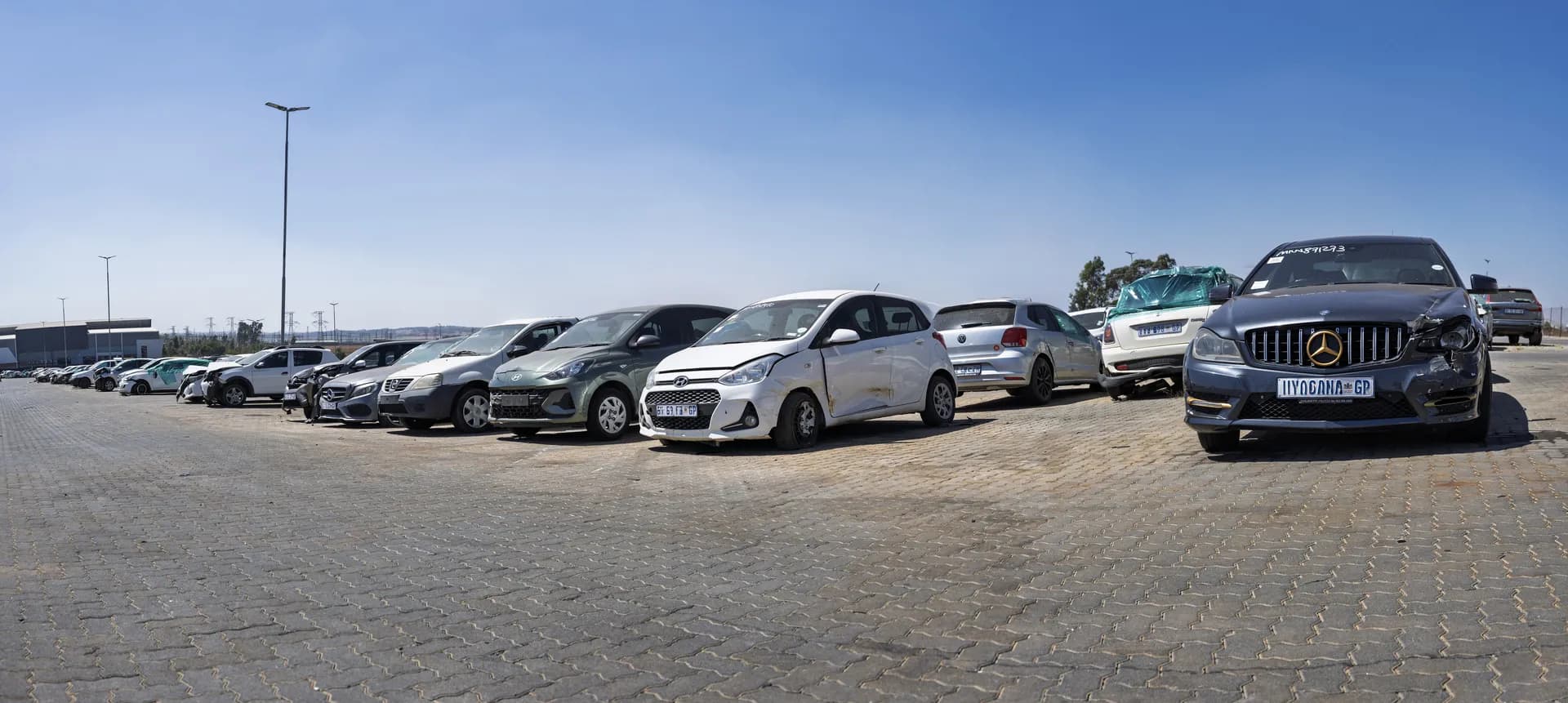
Overview: The Reality of Accident Car Depreciation
In South Africa, owning a car that's been involved in an accident can mean facing swift and sometimes steep depreciation. Even minor accidents are flagged on service records, and market perceptions change instantly. If you've suffered collision damage in places like Johannesburg, Durban, Cape Town, or elsewhere, it's vital to understand how - and how quickly - your car loses value after an incident.
Why Do Accident Cars Depreciate So Rapidly?
- Buyers and dealers discount cars with accident history, regardless of repair quality.
- Comprehensive repair costs are often unrecoverable when selling privately.
- Insurance record entries and vehicle history reports in South Africa are easily accessible to buyers, causing further hesitance.
Depreciation Timeline: The First Days and Beyond
Immediately after an accident, your car's resale value drops sharply - sometimes within hours if the damage is reported via insurance or as part of a dealership assessment. The decline continues over time, especially if the vehicle is stored unrepaired or develops mechanical/flood-related issues from delayed attention.
| Damage Category | Typical Initial Value Drop (%) | Ongoing Depreciation Risk |
|---|---|---|
| Minor (cosmetic, light panel) | 10-15% | Low to moderate if promptly repaired |
| Major (structural, airbags, suspension) | 20-40% | High, especially without repair |
| Write-Off (insurer classifies as uneconomical to repair) | Up to 60% or more | Very high (salvage value only) |
These estimates reflect average South African market experience. Severity, vehicle age, and model desirability can shift these figures slightly, but the downward trend is almost universal following accident damage.
Sell or Repair: Can You Slow Depreciation?
Many owners, especially small business fleet managers, weigh up whether professional repairs can recoup value or if selling promptly is wiser. Here's how repair costs compare with value retention:
| Scenario | Avg. Repair Cost (R) | Value Retained (%) |
|---|---|---|
| Minor repairs | 8,000 - 18,000 | 85% - 90% |
| Major repairs | 25,000 - 55,000 | 60% - 75% |
| Write-off (not repaired) | N/A | 35% - 45% (salvage) |
As seen above, timely and quality repairs may help slow further depreciation, but most cars never return to their pre-accident value and are marked as such on all dealership and private sales platforms.
What Happens if You Wait? The Costs of Delaying
Holding onto an accident-damaged car in South Africa can result in cascading costs:
- Increased risk of mechanical or electronic faults from water/dust ingress.
- Parking/storage costs, especially in urban areas like Johannesburg or Cape Town.
- Insurance may no longer cover unrepaired or poorly repaired vehicles, compounding future resale losses.
How Vehicle Details, Damage Type, and Region Affect Depreciation
Not all vehicles lose value at the same rate. Depreciation is impacted by:
- Model/year: High-demand models may retain slightly more value after repairs.
- Damage location: Airbag/frame or flood/fire result in harsher value drops than bumper or cosmetic issues.
- Documentation: Clear service and repair records support slightly better outcomes.
- Location: In major metros, resale platforms and buyers react especially quickly to new damage reports.
SA-Specific Administrative Issues
Legally, you must disclose accident damage in South Africa. If the car is written off, it often requires deregistration or is classified as Code 3/4 on eNaTIS, making traditional resale nearly impossible. We handle these paperwork steps for our customers to simplify the post-accident process and secure proper value, even for cars under finance or with complex admin needs.
Tips to Minimise Losses
- Decide promptly whether to repair or sell.
- Get multiple repair and cash offers, factoring in towing costs and administrative hassle.
- Use transparent buyers experienced with South African salvage and paperwork - see our Sell Damaged Cars and Sell Non-Running Car guides.
- Photograph and document damage clearly to support accurate offers.
- Avoid parking with further exposure to elements, slowing mechanical decline.
What Happens After Collection?
If you choose to sell to a specialist buyer, the process is streamlined: you'll receive an offer based on your car's real salvage value, free nationwide collection, help with deregistration/paperwork, and near-instant payment. The car is moved out of your name compliantly, preventing future liabilities, and is either recycled, sold as parts, or refurbished for the regulated market as appropriate. For more, review our guide on How It Works.
Sources
Seasoned automotive specialists dedicated to helping you turn your damaged or non-running vehicle into cash fast and hassle-free.
Disclaimer: This content is for educational purposes only. Product availability, pricing, and specifications are subject to change. Always verify current details on the retailer's website before making a purchase. We may earn affiliate commissions from qualifying purchases.
Why sell your damaged car to us?

A Division of Auction Nation, the leading expert in selling damaged cars

Best price for your damaged car

Get a cash offer within 24h

We buy damaged cars in any condition

We buy accident- damaged cars still under finance

Free, no obligation offer on your vehicle
How We Calculate Your Damaged Car’s Value
Wondering how we calculate your car’s value? At Sell Your Damaged Car, we look at: Your car’s real condition, its salvage value, and the current market demand. It’s all about honesty, transparency, and fairness — that’s how we determine your offer.
Frequently Asked Questions
Get answers to common questions about Damage Types
Why Choose Sell Your Damaged Car?
Free Towing
Need a tow? We got you
Hassle Free
Get a cash offer within 24h!
Nationwide
Somewhere remote? No problem!
