
Hail vs Flood Damage: Repair Cost Comparison in South Africa
Compare hail and flood repair costs in South Africa, learn when to repair or sell, and get SA-specific guidance on paperwork, towing and value retention.
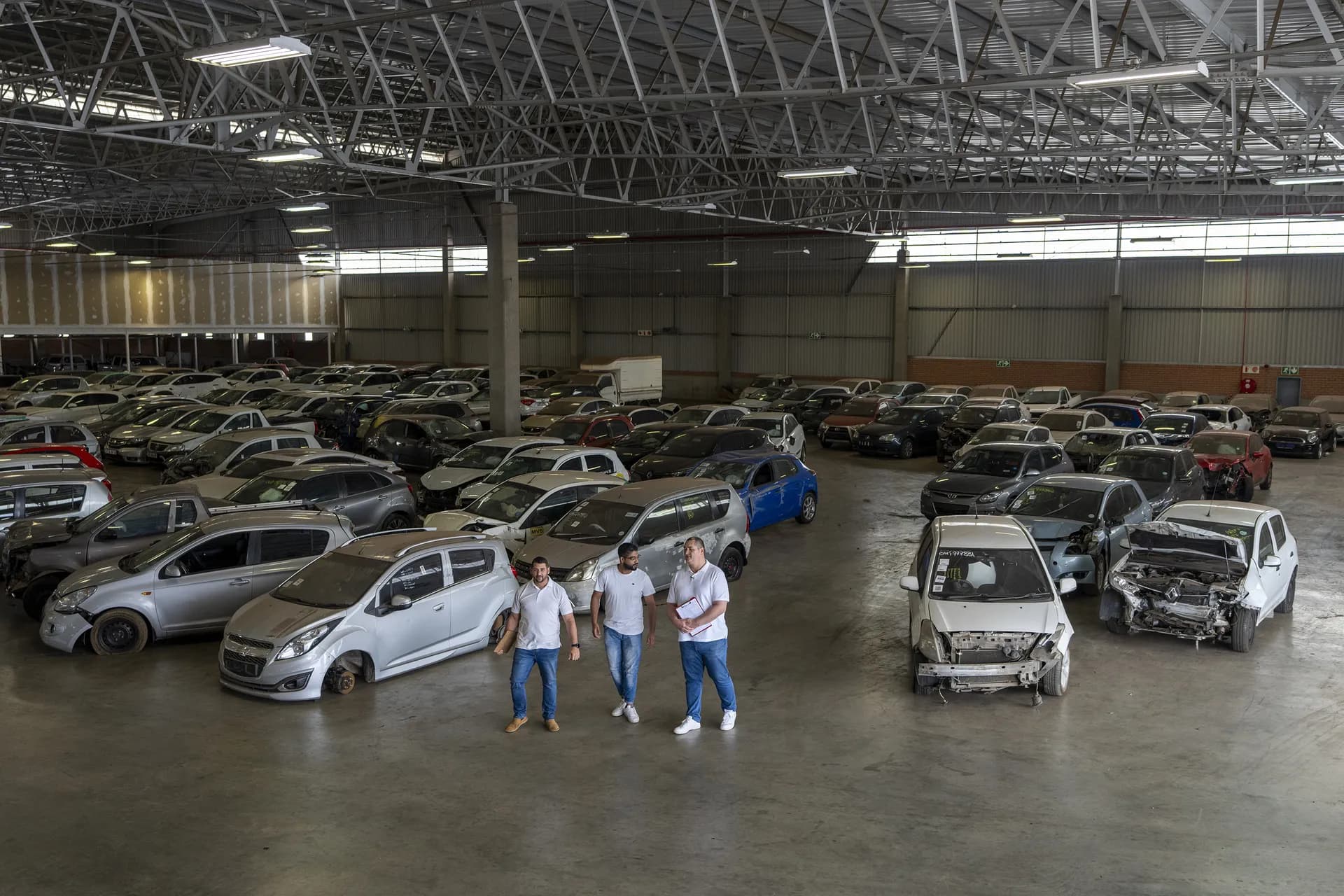
Different Costs, Different Risks
Hail usually affects panels; flood risks hidden electrical and engine damage.
Repair vs Sell Checklist
Compare repair estimates, hidden risks and time before deciding.
South Africa-Specific Advice
Consider towing, parts availability and paperwork like deregistration.
Overview: hail vs flood damage repair cost comparison sa
Hail and flood damage are two common weather-related causes of vehicle loss in South Africa. Repair pathways, timelines and typical costs differ significantly between the two. This guide compares typical repair scopes, provides illustrative R-based cost ranges (estimates), and explains when selling a damaged vehicle may be a better option than repairing it. It draws on South Africa conditions and practical examples relevant to owners in Johannesburg, Cape Town, Durban and surrounding areas.
How hail and flood damage differ
Hail damage usually concentrates on body panels, glass and paint. Flood damage often affects electronics, engines, transmissions and interior components - with hidden corrosion risks. The difference in affected systems is the reason repair costs and value retention diverge.
Common symptoms by damage type
- Hail: dented roofs/bonnets, cracked or chipped glass, paintwork scuffs, localized panel repairs.
- Flood: water in footwells, corrosion on electrical connectors, seized brakes, contaminated fluids, engine/hydrolock risk and lingering electrical faults.
Damage types vs typical offer impact
| Damage Type | Typical Repair Scope | Typical Impact on Market Value |
|---|---|---|
| Minor hail dents | Paintless dent repair or panel replacement | Small reduction if repaired; visible dents lower private-sale appeal |
| Severe hail (multiple panels, glass) | Multiple panel repairs, glass replacement, respray | Significant reduction; buyers factor in repair cost and resale uncertainty |
| Shallow flood (interior wet) | Dry-out, fluid changes, electrical checks, upholstery work | Moderate reduction; potential latent issues may deter buyers |
| Deep flood (engine/ECU affected) | Engine rebuild/replace, ECU replacement, major electrical repairs | Severe reduction; often classified as written-off by insurers |
Note: offers from buyers depend on vehicle age, mileage, model demand and local salvage prices. For more on how our process works and what we buy, see the About / How it works page.
When to repair vs when to consider selling
Choosing whether to repair or sell a hail- or flood-damaged vehicle depends on three practical factors: repair cost relative to the vehicle's pre-damage market value, the complexity and certainty of the repair (hidden issues after flood repairs), and your tolerance for downtime and risk. In South Africa, transport and repair access across metros (Johannesburg, Cape Town, Durban) varies - factor in towing, parts availability and local labour rates.
Short guidance
- Repair if visible damage is small and repair cost is under a reasonable percentage of the vehicle’s pre-damage value (owners often use 20-40% as a benchmark, depending on vehicle desirability).
- Consider selling if flood damage reached electrical or engine systems, or if multiple expensive components need replacement - hidden faults can create ongoing costs.
- For extensive hail damage, compare panel repair respray quotes vs selling to a specialist who buys damaged cars - compare total time and transport costs.
If you want an impartial comparison between repair estimates and the market for damaged vehicles, review our guidance on selling damaged vehicles at the Sell Damaged Cars page.
How the process works when you choose to sell
Sell Your Damaged Car buys vehicles in any condition across South Africa. Our online process helps you compare a repair plan with a straightforward sale: upload vehicle details and photos, receive a transparent evaluation, accept a competitive cash offer if it makes sense, then we arrange free towing and handle paperwork. For an overview of services and coverage, visit our homepage.
Repair cost vs value retained (illustrative, SA estimates)
| Damage / Repair | Typical South Africa cost (R, estimate) | Estimated value retained after repair |
|---|---|---|
| Minor hail (panels, PDR) | R1,500 - R8,000 | ~90-98% (depends on finish) |
| Major hail (respray, glass) | R10,000 - R45,000+ | ~70-90% |
| Shallow flood (interior, fluids) | R3,000 - R15,000 | ~60-85% (risk of later faults) |
| Deep flood (engine/ECU) | R25,000 - R150,000+ | ~0-60% (often classified as write-off) |
These figures are indicative ranges based on typical South African labour and parts costs as of recent market conditions. Actual repair quotes depend on make, model, year and local workshop rates. Deep flood repairs often exceed safe repair thresholds compared with vehicle value.
Legal & paperwork in South Africa
Selling or transferring a damaged vehicle in South Africa involves deregistration, settling any outstanding finance, and completing the necessary transfer forms. Vehicles still under finance must have the lender's consent; failing to disclose finance obligations is risky. For specific steps we handle on behalf of sellers, see our guidance on selling non-running vehicles at the Sell Non-Running Car page.
Tips to maximise a repair outcome or sale
- Document damage clearly with photos (multiple angles, VIN visible) - this helps shops and buyers accurately assess condition.
- Obtain multiple repair quotes from reputable workshops in your metro - compare part, labour and warranty details.
- For flood damage, insist on electrical diagnostics and a full fluid change; hidden corrosion is a common source of later failure.
- If logistics or repair risk is high, compare the total cost and time of repair vs selling to a specialist that offers free towing and paperwork handling.
Practical example: a 2012 midsize SUV with severe hail across three panels may cost R18,000 to repair but only regain a portion of pre-damage value due to buyer perception. A deep-flooded engine on the same vehicle can rapidly push repair estimates into a range where selling to a buyer who handles salvage logistics is often the lower-risk choice.
What happens after collection
After you accept an offer, the vehicle is collected via free nationwide towing. Paperwork, including transfer and deregistration steps, is handled and payment is released and verified. Timeframes vary; expect paperwork completion and payment verification typically within a few business days after collection, depending on bank processing and outstanding finance clearance.
Sources
Seasoned automotive specialists dedicated to helping you turn your damaged or non-running vehicle into cash fast and hassle-free.
Disclaimer: This content is for educational purposes only. Product availability, pricing, and specifications are subject to change. Always verify current details on the retailer's website before making a purchase. We may earn affiliate commissions from qualifying purchases.
Why sell your damaged car to us?

A Division of Auction Nation, the leading expert in selling damaged cars

Best price for your damaged car

Get a cash offer within 24h

We buy damaged cars in any condition

We buy accident- damaged cars still under finance

Free, no obligation offer on your vehicle
How We Calculate Your Damaged Car’s Value
Wondering how we calculate your car’s value? At Sell Your Damaged Car, we look at: Your car’s real condition, its salvage value, and the current market demand. It’s all about honesty, transparency, and fairness — that’s how we determine your offer.
Frequently Asked Questions
Get answers to common questions about Comparison And Alternatives
Why Choose Sell Your Damaged Car?
Free Towing
Need a tow? We got you
Hassle Free
Get a cash offer within 24h!
Nationwide
Somewhere remote? No problem!
