
Hail-Damaged Car Selling Process in SA - What Owners Should Know
Learn the hail-damaged car selling process in SA: assess damage, compare repair vs selling, understand paperwork, and get practical tips to maximise offers.
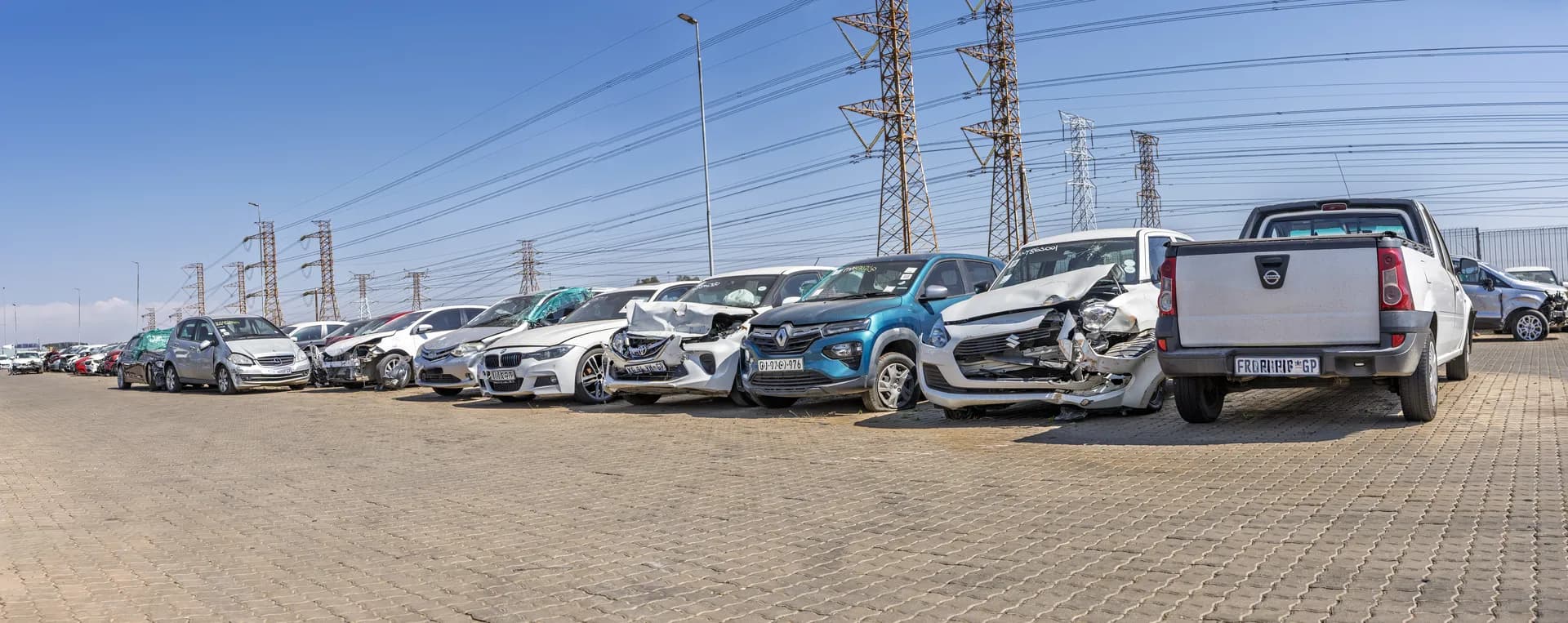
Assessment First
Document damage with photos and service records before seeking offers.
Repair vs Sell
Compare repair estimates (R) to market value; extensive hail often favors sale.
Paperwork & Collection
Choose buyers who handle deregistration, towing and prompt payment.
Overview: hail-damaged-car-selling-process-sa
If your vehicle was hit by hail, you may be weighing repair costs against selling it as-is. The hail-damaged car selling process in SA often differs from other accident sales because damage is typically cosmetic but can also affect glass, paint and panel alignment. This guide explains typical timelines, what buyers look for, and practical steps to convert a hail-damaged vehicle into cash while avoiding common pitfalls.
Quick note
Selling soon after hail reduces secondary deterioration and gives you clearer evidence of pre-sale condition. Keep photos and any insurer assessment documents handy.
When to sell versus repair
Deciding whether to repair a hail-damaged car depends on repair estimates, the vehicle's current market value, and whether you need a roadworthy vehicle immediately. Small dents and minor paintwork may be economical to fix; widespread panel or glass damage often favors selling. For fleet owners, downtime and cost-per-vehicle are important considerations.
| Repair cost (approx.) | Typical value retained after repair | When repair makes sense |
|---|---|---|
| R1,000-R5,000 | High (most value retained) | Minor dents, single-panel paintwork |
| R5,000-R20,000 | Moderate | Multiple panels, some glass repair |
| R20,000+ | Low (repair may not recoup cost) | Extensive body, structural or roof damage |
How the selling process typically starts
Most professional cash buyers and salvage buyers follow a straightforward path: you provide vehicle details and images, the buyer issues a valuation or preliminary offer, and you decide whether to accept. For a detailed look at what buyers handle and why this is often faster than private selling, our company explains its steps on the About / How it works page.
What buyers check for with hail damage
- Extent and location of dents (roof, bonnet and boot are high-impact areas).
- Glass damage (windscreens and sunroofs can change value significantly).
- Underlying rust risk where paint is cracked or missing.
- Service history and whether the vehicle is under finance.
If you want a quick comparison of selling a hail-damaged car versus selling a general non-running or damaged vehicle, refer to our page on Sell Damaged Cars for contexts beyond hail, including flood and fire scenarios.
How the process works - step by step
Below is a common timeline when selling a hail-damaged car in South Africa. Times are indicative: initial offers can be given within hours, and collection arranged in days depending on location.
Typical seller steps
- Prepare clear photos showing panels, roof and glass damage plus odometer and service book.
- Submit vehicle details online or by phone; expect a preliminary offer based on condition and market demand.
- Accept an offer and agree a collection window; reputable buyers will handle paperwork and towing.
- On collection, sign transfer or sale documents, allow buyer to arrange deregistration if included, and receive payment as agreed.
| Damage type | Typical offer impact | Notes |
|---|---|---|
| Small panel dents | Minor reduction | Often economical to repair; buyer adjusts slightly |
| Multiple panels & paintwork | Moderate reduction | Repairs costly, buyers price for repainting or parting out |
| Glass & sunroof damage | Significant reduction | Glass replacement is expensive and affects safety rating |
Legal & paperwork in South Africa
Sellers should confirm what paperwork the buyer will handle. Common items include a signed sale agreement, transfer of ownership forms and deregistration where relevant. If the vehicle is under finance, the finance holder must be informed - settlement or permission is required before transfer. For details on deregistration and the administrative side, see government guidance and ask buyers for written confirmation of the steps they will complete.
Tips to maximise your offer
- Provide multiple clear photos (wide angles plus close-ups of dents and any cracked glass).
- Keep service records and receipts available; documented maintenance can improve offers.
- Be honest about unseen damage; transparent descriptions avoid renegotiation at collection.
- Compare offers from reputable buyers; nationwide services can be especially helpful if you are in Cape Town, Johannesburg or Durban.
- If the vehicle is still drivable, note that in the listing; non-running cars often carry higher logistical costs.
For owners wondering about alternatives like selling privately or repairing first, our Sell Non-Running Car page explains different buyer types and logistics. For a high-level view of our overall service model, see the homepage which outlines inclusions like free towing and paperwork assistance.
What happens after collection
After collection, reputable buyers will complete required sale paperwork and process payment according to the agreement. If deregistration is included, confirm expected timelines and receive written confirmation when complete. Expect the buyer to communicate any downstream steps such as salvage processing or parting out if the vehicle is written off.
Practical examples (experience-based)
Example: a 2014 hatch with roof and bonnet hail dings may receive a modest reduction compared with a similar undamaged vehicle. Repairing a few panels for R6,000-R12,000 in paintwork might not be economical if the vehicle's retail gap versus trade value is small. Fleet managers in Johannesburg and Cape Town often choose direct sale to reduce downtime and avoid arranging multiple small repairs across vehicles.
Sources
- South African Government - vehicle registration and transfer guidance
- AA South Africa - advice on hail damage and insurance considerations
- Road Traffic Management Corporation - vehicle administration and safety information
Note: monetary figures are illustrative estimates in South African rand (R) based on typical market ranges; exact repair or offer figures vary by vehicle, region and buyer. Always request written offer details and itemised inclusions for towing and paperwork before agreeing to a sale.
Seasoned automotive specialists dedicated to helping you turn your damaged or non-running vehicle into cash fast and hassle-free.
Disclaimer: This content is for educational purposes only. Product availability, pricing, and specifications are subject to change. Always verify current details on the retailer's website before making a purchase. We may earn affiliate commissions from qualifying purchases.
Why sell your damaged car to us?

A Division of Auction Nation, the leading expert in selling damaged cars

Best price for your damaged car
Get a cash offer within 24h

We buy damaged cars in any condition

We buy accident- damaged cars still under finance

Free, no obligation offer on your vehicle
How We Calculate Your Damaged Car’s Value
Wondering how we calculate your car’s value? At Sell Your Damaged Car, we look at: Your car’s real condition, its salvage value, and the current market demand. It’s all about honesty, transparency, and fairness — that’s how we determine your offer.
Frequently Asked Questions
Get answers to common questions about Damage Types
Why Choose Sell Your Damaged Car?
Free Towing
Need a tow? We got you
Hassle Free
Get a cash offer within 24h!
Nationwide
Somewhere remote? No problem!
