
The Future of Car Buying and the Salvage Industry in South Africa
Explore how digital valuations, EVs, regulation and logistics are shaping the future of car buying and salvage industry in South Africa - practical examples for sellers.
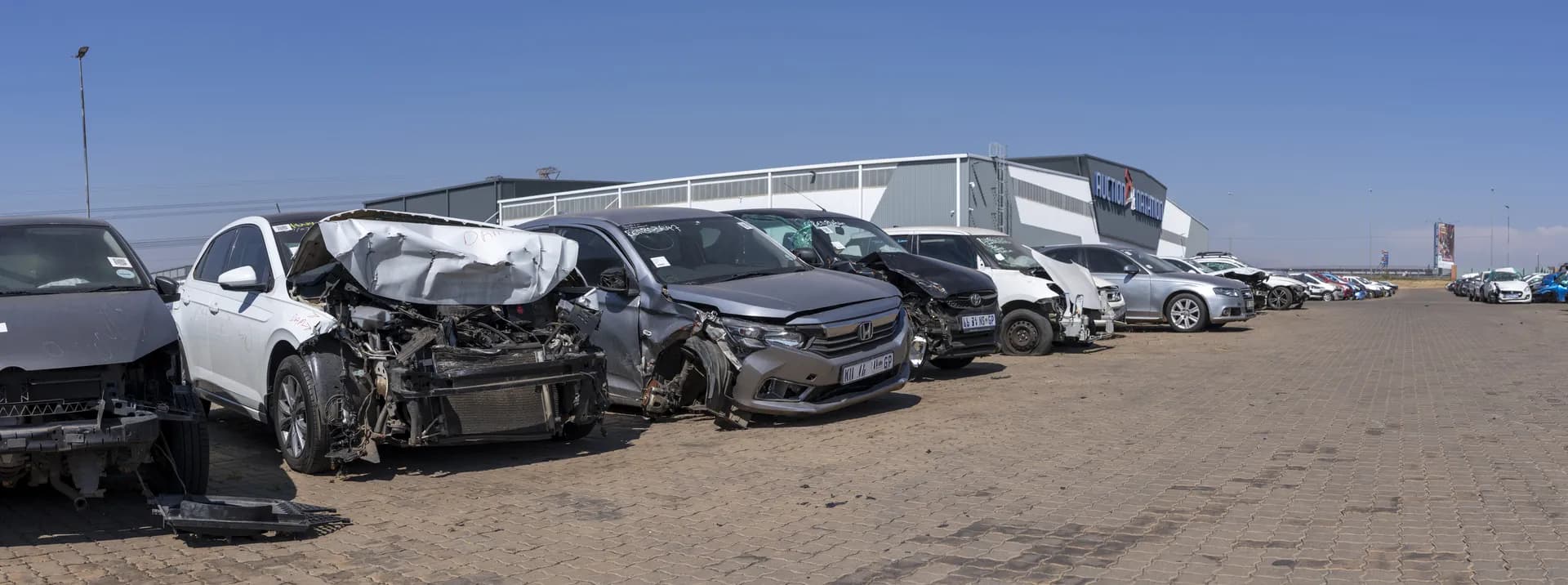
Digital Valuations
Instant offers from photo and data-driven pricing increase transparency.
Nationwide Logistics
Free towing and paperwork handling reduce seller friction across SA.
EVs & Recycling Shift
Battery salvage and parts demand will reshape salvage value dynamics.
Overview: What the future of car buying and salvage industry looks like
The future of car buying and salvage industry is being driven by digitisation, improved data, changing vehicle technology (notably electric vehicles), and evolving insurance and regulatory practices. In South Africa this translates to faster online valuations, more transparent salvage markets, and logistics models that support nationwide collection - including free towing services for sellers. For private owners and small fleets in Johannesburg, Cape Town and Durban, these changes mean fewer middlemen, clearer paperwork paths and more predictable cash offers for damaged or non-running vehicles.
Key forces shaping the industry
- Digital first valuations and marketplace platforms that use photos, vehicle history and market data to produce near-instant offers.
- Increased salvage demand for parts and batteries from EVs, changing what damage salvors deem valuable.
- Regulatory emphasis on safe deregistration, clear ownership transfer and compliance when vehicles are sold as salvage.
- Logistics optimisation; companies offering nationwide pick-up and paperwork handling cut transaction friction for sellers.
When to sell vs repair in a changing market
As repair costs and parts availability shift, owners must weigh repair investment against likely retained value. The future market will make this comparison faster via online tools that estimate repair cost vs post-repair market value. For many accident-written-off, flood-damaged or non-running vehicles, selling to a salvage buyer is often quicker and lower risk than sourcing parts, labour and permits.
Repair cost vs value retained (illustrative estimates for South Africa)
| Typical Repair Cost (R) | Estimated Value Retained (%) | Recommendation |
|---|---|---|
| R5,000 - R15,000 | 70-85% | Repair often viable for newer vehicles with clear history. |
| R15,000 - R50,000 | 40-65% | Compare repair cost to competitive cash offers from salvage buyers. |
| Over R50,000 | <30% | Selling for salvage is frequently the more economical option. |
Damage types vs typical offer impact
| Damage Type | Typical Offer Impact | Notes |
|---|---|---|
| Cosmetic front/rear damage | Medium | Parts often salvageable; good for moderate offers. |
| Structural/frame damage | High impact (lower offers) | Repair complexity reduces market value significantly. |
| Flood/fire damage | High impact | Electricals and interiors affected; specialised salvage demand exists. |
| Non-running / mechanical failure | Variable | Offers depend on engine/transmission condition and parts demand. |
Note: figures above are illustrative estimates for South Africa; actual outcomes depend on make, model, age, mileage and market demand.
How the process works today - and what will speed up next
Digital-first buyers combine photos, history records and market pricing to return offers quickly. The process trend is toward even faster, more transparent interactions that handle towing, paperwork and payment - reducing friction for sellers across Gauteng, the Western Cape and KwaZulu-Natal. Services that already offer instant online quotes and logistics handling will evolve to integrate better data sources and automated valuations.
For an example of how current digital workflows operate, see our explanation of how we manage collections and paperwork on the About / How it works page. If you have a vehicle that won’t start, platforms are increasingly offering tailored flows; see the Sell Non-Running Car guidance for current examples.
Legal & paperwork in South Africa: what will remain essential
Regulation around deregistration, clear title transfer and disclosure of prior damage will remain central as the salvage sector grows. Buyers and sellers should expect clearer online forms that capture required details for the South African licensing authorities. Digital records will help speed deregistration and protect both parties. Platforms that manage the admin for sellers reduce delays and legal risk - particularly for vehicles under finance or with complex title histories.
Handling vehicles under finance and deregistration
- Vehicles under finance generally require settlement or creditor consent. Clear documentation is critical.
- Deregistration procedures and transfer forms must be accurate for insurance and future resale; services that manage deregistration reduce seller workload.
- Expect more integration between salvage buyers and finance houses to automate settlements.
Tips to maximise your offer in an evolving market
- Provide clear photos and honest descriptions - better inputs produce more accurate, often higher, offers.
- Keep records: service history, proof of ownership and any receipts; these increase buyer confidence.
- Compare multiple digital offers; market transparency is improving and competitive cash offers are common.
- Consider timing: in regions where parts demand is high, offers can be seasonally stronger.
What happens after collection - logistics, recycling and circular value
After collection, vehicles typically enter one of three pathways: dismantling for parts, repair and resale (where permitted), or recycling of non-salvageable components. The salvage industry’s future will see better traceability of parts and more formally structured recycling chains for materials such as steel and EV batteries. For sellers, this means faster payment cycles and clearer records indicating where the vehicle went after sale.
If you want to explore practical selling routes today, our general selling options are outlined on the Sell Damaged Cars page, and the main portal is available at the homepage for current tools and offers.
Practical example from a South African seller
A small fleet operator in Durban with a non-running bakkie may find that an online salvage buyer returns an offer within hours, arranges free towing, handles the transfer paperwork and completes payment within days. That streamlined route avoids downtime, towing costs and the administrative burden of private sale - an outcome made possible by the digital and logistical trends shaping the future of car buying and salvage industry.
Looking ahead: realistic expectations
Expect the market to offer faster, more transparent choices rather than dramatic increases in what damaged vehicles fetch. Improvements will come from better data, smarter valuations, more efficient logistics and clearer regulatory compliance - benefits that reduce seller effort and risk. For South African vehicle owners, the practical upside is speed, predictability and lower transaction costs when selling damaged or non-running vehicles.
Sources
- Department of Transport, Republic of South Africa - regulatory information on vehicle licensing and transfer.
- South African Insurance Association (SAIA) - insights on write-offs and insurance market practices in South Africa.
- KPMG South Africa - automotive industry outlooks and trends (useful for market context and technology impacts).
Seasoned automotive specialists dedicated to helping you turn your damaged or non-running vehicle into cash fast and hassle-free.
Disclaimer: This content is for educational purposes only. Product availability, pricing, and specifications are subject to change. Always verify current details on the retailer's website before making a purchase. We may earn affiliate commissions from qualifying purchases.
Why sell your damaged car to us?

A Division of Auction Nation, the leading expert in selling damaged cars

Best price for your damaged car

Get a cash offer within 24h

We buy damaged cars in any condition

We buy accident- damaged cars still under finance

Free, no obligation offer on your vehicle
How We Calculate Your Damaged Car’s Value
Wondering how we calculate your car’s value? At Sell Your Damaged Car, we look at: Your car’s real condition, its salvage value, and the current market demand. It’s all about honesty, transparency, and fairness — that’s how we determine your offer.
Frequently Asked Questions
Get answers to common questions about News Updates
Why Choose Sell Your Damaged Car?
Free Towing
Need a tow? We got you
Hassle Free
Get a cash offer within 24h!
Nationwide
Somewhere remote? No problem!
