
Flood-Damaged Car Valuation & Electrical Damage in South Africa - What Owners Need to Know
Learn how flood and electrical damage affect car valuations in South Africa, when to sell vs repair, paperwork to expect, and tips to maximise your offer.
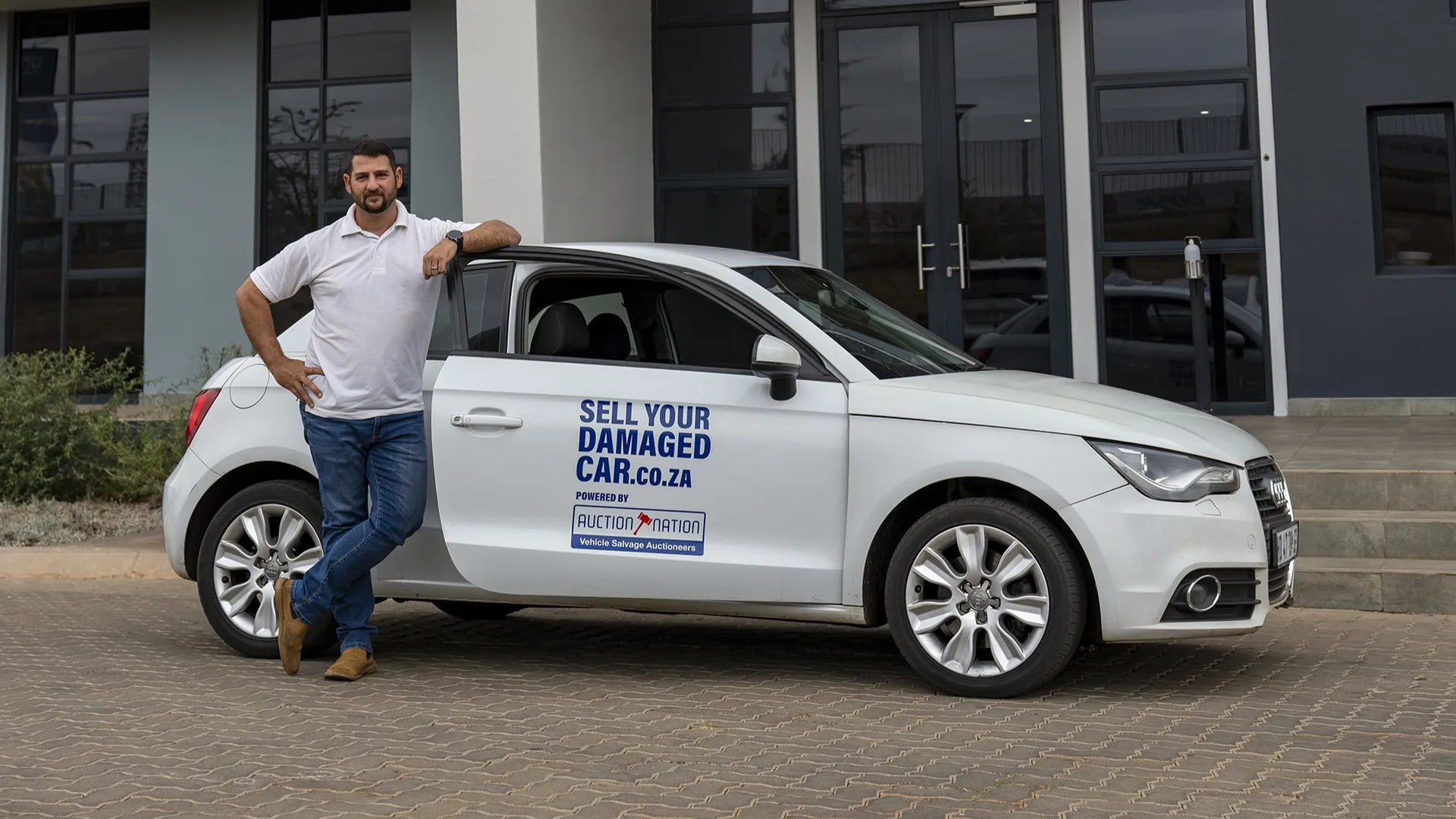
Hidden Electrical Risk
Flooding can cause progressive electrical corrosion that reduces long-term value.
Repair vs Sell Decision
Compare repair estimates to market value to decide whether to repair or sell.
Nationwide, Paperwork Help
Specialist buyers can offer free towing, deregistration assistance and fast payment.
Overview: Flood damage and electrical issues in South Africa
Flood-damaged car valuation and electrical damage assessments are common concerns for South African owners after heavy rains, flash floods or coastal storm events. Flood water can affect mechanical, electronic and structural components in ways that may not be obvious at first inspection. This guide explains how assessors and buyers typically value flood-affected vehicles, what electrical damage means for resale or repair, and practical next steps for owners in Johannesburg, Cape Town, Durban and surrounding areas.
Key point
Flood damage often has hidden electrical impacts. Valuation depends on water depth, time submerged, whether saltwater was involved, and evidence of corrosion - expect a lower market valuation when electrical systems are compromised.
How flood damage affects valuation
Valuers and cash buyers assess flood damage by checking visible waterline marks, moisture in carpets and wiring harnesses, corrosion on connectors, and the functionality of electrical systems (ECU, sensors, infotainment, lighting). Saltwater exposure typically reduces value more than freshwater because salt accelerates corrosion. Vehicles stored in damp conditions after flooding may show progressive electrical faults that further reduce offers.
When to sell versus when to repair
Deciding whether to repair or sell a flood-damaged car depends on repair cost estimates, current market value, age and parts availability. If repair estimates approach or exceed a significant portion of the vehicle's pre-flood market value, selling may be the more practical option for many owners.
- Consider selling when repair costs are high relative to market value, or when multiple electrical systems show failure.
- Consider repair when the vehicle is newer, under warranty/insurance coverage, or when damage is limited and parts are readily available.
Repair cost vs value retained (example ranges for SA)
| Repair scenario | Estimated repair cost (R) | Typical value retained (%) |
|---|---|---|
| Minor interior water, no electrical faults | R2,000 - R8,000 | 70-90% |
| Moderate electrical repairs (sensors, wiring) | R8,000 - R35,000 | 40-70% |
| Major ECU, engine or saltwater damage | R30,000 - R100,000+ | 10-40% |
Notes: These figures are illustrative estimates for South Africa and will vary by make, model and region. Repair costs can escalate if corrosion has spread to harnesses, connectors and control modules. For many owners the decision balances the upfront repair bill against remaining usable life and resale market expectations.
If you want to compare options or start a valuation, our resource on selling flood or badly damaged vehicles explains acceptable conditions and the online valuation step-by-step. Visit the Sell Damaged Cars page for details on what buyers look for and documentation to prepare.
For a clear overview of our buying process and how we assess electrical and water-damage claims, see our How it works page, which outlines online submission, offer assessment and collection logistics across South Africa.
How the valuation and sale process works
Valuation for a flood-damaged car with electrical issues typically follows these steps: you submit photos and a damage description, the assessor reviews visible waterline signs and electrical faults, and an offer reflects current salvage demand for parts and the expected cost of restoring electrical systems. Our online process simplifies this: upload your vehicle details and images, receive an offer, accept if you choose, and we handle paperwork and free towing nationwide.
Damage types vs typical offer impact
| Damage type | Common signs | Impact on offers |
|---|---|---|
| Wet carpets & upholstery | Musty smell, discoloured padding | Low to moderate reduction; salvageable interior parts |
| Corroded wiring/connectors | Intermittent electronics, lights flicker | Significant reduction; electrical repair costs rise |
| ECU or module failure | No start, fault codes, inactive systems | Major reduction; replacement modules costly |
| Saltwater exposure | Fast corrosion, pitting on metal parts | Large reduction; long-term reliability concerns |
Legal & paperwork considerations in South Africa
Selling a flood-damaged car in South Africa requires the standard transfer paperwork and accurate disclosure of water damage. If the vehicle is under finance, you must inform the lender and settle arrears or obtain written consent for transfer. Deregistration and salvage paperwork differ if the insurer has written the vehicle off - buyers handling salvage purchases will usually assist with deregistration and provide receipts to protect both parties.
- Provide a clear description of flood/electrical damage; nondisclosure can create legal risk.
- If the vehicle is financed, contact the finance house early to clarify settlement or transfer steps.
- Keep service and repair records - they help buyers verify maintenance history.
Tips to maximise your valuation for electrical/flood damage
- Document damage with clear photos: engine bay, ECU area, carpets and connector points - multiple angles help assessors.
- Note waterline marks and the date of the flood event; timing helps determine exposure length.
- Provide service history and parts receipts: a well-maintained vehicle often retains more value despite damage.
- If safe to do so, dry and ventilate the car, remove standing water and avoid attempts at amateur electrical repairs that could cause further damage.
If you prefer to start with a specialist who buys vehicles in any condition and manages free towing and paperwork nationwide, see our Sell Non-Running Car resource for examples of non-starter and severely water-damaged scenarios and how they are handled.
What happens after collection
After you accept an offer and the vehicle is collected (free towing available across South Africa), the buyer typically completes ownership transfer paperwork, assists with deregistration if required, and issues payment. Buyers with salvage experience will log the vehicle’s condition and prepare it either for parts, refurbishment under regulatory constraints, or disposal. Expect a final verification step on collection day to confirm details and payment arrangements.
For a practical walkthrough of our submission-to-collection steps and expected timelines, visit our homepage overview which outlines the online steps and verification process across major metros like Johannesburg, Cape Town and Durban: Sell Your Damaged Car.
Sources
- Arrive Alive - Advice on identifying flood damage in vehicles
- South African government transport guidance - vehicle transfer and registration
- Insurance industry notes on flood claims and write-offs in South Africa
If you are ready to get an independent valuation or want a transparent cash offer that factors in electrical and flood damage, our online form makes it straightforward to submit vehicle details and photos for rapid assessment.
Seasoned automotive specialists dedicated to helping you turn your damaged or non-running vehicle into cash fast and hassle-free.
Disclaimer: This content is for educational purposes only. Product availability, pricing, and specifications are subject to change. Always verify current details on the retailer's website before making a purchase. We may earn affiliate commissions from qualifying purchases.
Why sell your damaged car to us?

A Division of Auction Nation, the leading expert in selling damaged cars

Best price for your damaged car

Get a cash offer within 24h

We buy damaged cars in any condition

We buy accident- damaged cars still under finance

Free, no obligation offer on your vehicle
How We Calculate Your Damaged Car’s Value
Wondering how we calculate your car’s value? At Sell Your Damaged Car, we look at: Your car’s real condition, its salvage value, and the current market demand. It’s all about honesty, transparency, and fairness — that’s how we determine your offer.
Frequently Asked Questions
Get answers to common questions about Damage Types
Why Choose Sell Your Damaged Car?
Free Towing
Need a tow? We got you
Hassle Free
Get a cash offer within 24h!
Nationwide
Somewhere remote? No problem!
