
Fire-Damaged vs Accident-Damaged Car Value: What South African Owners Need to Know
Understand how fire and collision damage influence resale value in South Africa, repair cost vs retained value, paperwork implications and practical steps to sell your damaged vehicle.
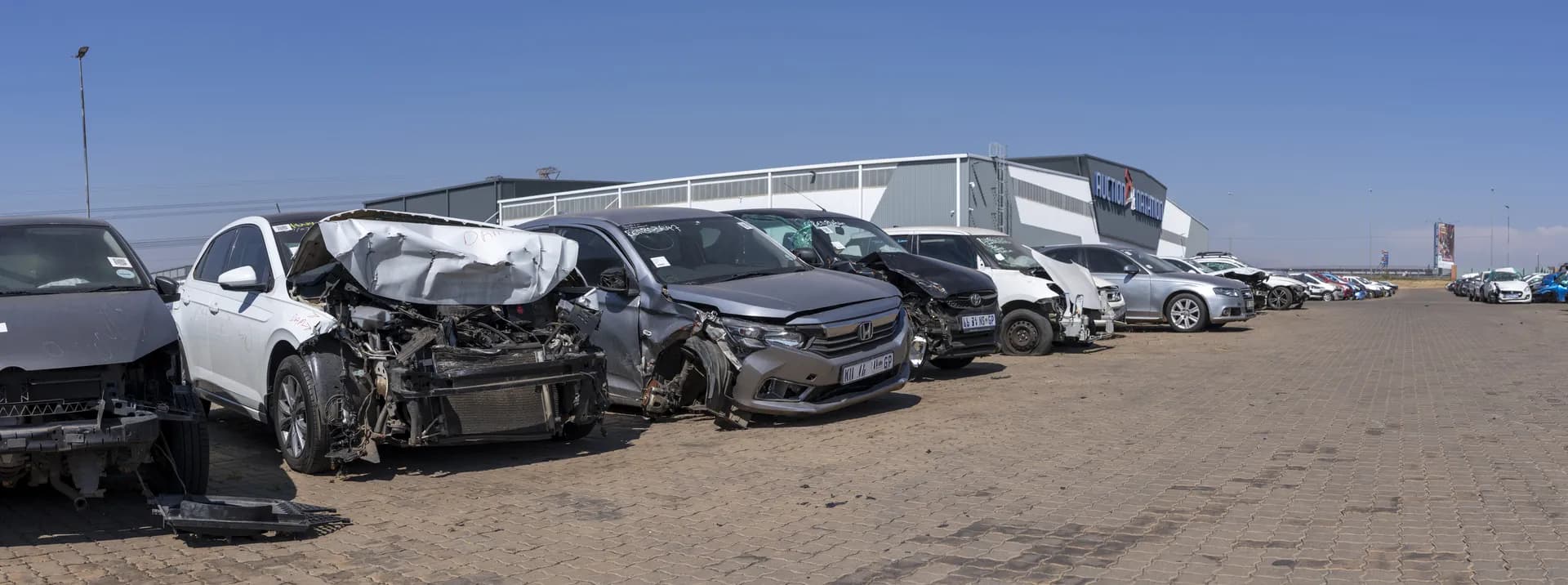
Overview: Why damage type matters for value
When a vehicle is damaged, the type of damage-fire or collision-affects market demand, repairability and the paperwork required in South Africa. Buyers in the salvage and repair markets price risk differently: fire damage often indicates widespread electrical and structural issues, while accident damage can range from minor panel repair to total loss. Knowing the differences helps you decide whether to repair, keep for parts, or sell straight to a cash buyer like Sell Your Damanged Car.
Key differences between fire damage and accident damage
Below are the main practical and valuation differences to consider when assessing a fire-damaged car versus an accident-damaged car in South Africa.
- Scope of damage: Fire often affects wiring, plastics, upholstery and engine bay components; accident damage can be localised to panels, chassis or mechanical assemblies.
- Repair complexity: Fire can create hidden faults (electrical gremlins) that show up after repairs; collision repair is often more predictable if structural alignment is intact.
- Market perception: Fire-damaged vehicles can be harder to resell due to perceived long-term reliability issues; accident-damaged cars with clear repair history sell better if repaired to standard.
- Insurance & paperwork: Both can be written-off by insurers. The vehicle may need specific declarations or salvage paperwork for resale in South Africa.
Repair cost vs value retained (example estimates for SA)
| Damage Type | Typical Repair Cost (R) | Estimated Value Retained After Repair |
|---|---|---|
| Minor collision (panels, bumper) | R5,000 - R25,000 | 70%-90% of pre-accident market value |
| Major collision (structural/airbag) | R30,000 - R120,000+ | 30%-60% of pre-accident market value |
| Localized fire (interior, wiring) | R15,000 - R60,000 | 30%-70% (depends on components affected) |
| Severe fire (engine bay, structural) | R60,000 - R200,000+ | Often under 30% of pre-damage value |
Note on figures: These ranges are illustrative estimates in the South African context. Actual repair quotes and retained value depend on model, year, mileage and local repair costs.
Damage types vs typical offer impact
| Damage Type | Why it affects offers | Typical buyer concern |
|---|---|---|
| Surface fire (interior/trim) | Repair is mainly cosmetic and wiring checks. | Hidden electrical faults lowering resale likelihood |
| Engine-bay fire | High parts replacement and diagnostic costs. | Risk of irreparable mechanical damage |
| Minor collision | Predictable repair path; parts usually available. | Buyer wants proof of structural integrity |
| Structural collision | Requires certified frame repairs and alignment. | Safety concerns and limited resale market |
When to repair vs when to sell as-is
Deciding whether to invest in repairs depends on repair cost, the car's pre-damage market value, and your tolerance for future problems. Use these rules of thumb tailored to South Africa:
- If repair cost is a small percentage of the car's pre-damage value (e.g., under 20%) and repairs restore safety, repairing may increase resale value.
- If repairs exceed a large share of market value or the damage is electrical/structural (common with fire and severe collisions), selling as-is to a specialist buyer is often more practical.
- For fleet owners: consider downtime, admin burden and cashflow-selling to a nationwide buyer who handles towing and paperwork can reduce operational disruption.
How the process works when selling a fire-damaged or accident-damaged car
A streamlined process reduces uncertainty. Typical steps when you sell a damaged vehicle to a specialist buyer in South Africa are:
- Provide vehicle details and clear photos (interior, exterior, under-bonnet) and describe damage honestly.
- Receive an obligation-free cash offer based on condition, market demand and salvage values.
- If you accept, the buyer arranges free towing, completes the paperwork (including deregistration assistance where needed) and releases payment.
South Africa-specific paperwork and legal notes
In South Africa, vehicles that have been written off by insurers may carry salvage status which must be declared on transfer documents. If the car is under finance, the lender's consent is usually required before transfer. A reputable buyer will help with transfer documents, settlement of finance where applicable, and ensure transfer documents are completed correctly to reduce your legal exposure.
Tips to maximise your offer
- Be transparent and provide multiple clear photos-buyers value accurate descriptions and this speeds up valuation.
- Gather service history and any repair invoices; documented maintenance improves buyer confidence.
- If safe and practical, remove personal items and secure number plates before collection.
- For fleet vehicles, collate logbooks and company ownership documents to speed transfer.
What happens after collection
After you accept an offer and the vehicle is collected, the buyer typically finalises transfer paperwork, arranges deregistration where required and completes payment. Expect confirmation and payment verification; reputable buyers will provide documentation confirming the sale and transfer details for your records.
Practical examples (South African scenarios)
Example 1: A 2012 sedan with interior fire damage-charred dash and wiring. Local repair quote: R45,000 for rewiring, dash replacement and interior trim. Given the age and repair risk, many owners choose to accept a cash offer and avoid the uncertainty of recurring electrical faults.
Example 2: A 2016 bakkie with a front-end collision but intact frame. Repair quote: R35,000 for panels, radiator and alignment. If the pre-accident value is substantially higher than repair cost, repairing and selling privately may be viable; otherwise a specialist buyer that handles towing and admin is often quicker.
Sources
- RTM: Vehicle damage and repairs guidance for South Africa
- SA Insurance: Guide to vehicle insurance claims and write-offs
- Arrive Alive: Used vehicle buying and safety checklist
- Sell Damaged Cars - Sell Your Damanged Car (service details)
- Sell Non-Running Car - Sell Your Damanged Car (process overview)
Seasoned automotive specialists dedicated to helping you turn your damaged or non-running vehicle into cash fast and hassle-free.
Disclaimer: This content is for educational purposes only. Product availability, pricing, and specifications are subject to change. Always verify current details on the retailer's website before making a purchase. We may earn affiliate commissions from qualifying purchases.
Why sell your damaged car to us?

A Division of Auction Nation, the leading expert in selling damaged cars

Best price for your damaged car

Get a cash offer within 24h

We buy damaged cars in any condition

We buy accident- damaged cars still under finance

Free, no obligation offer on your vehicle
How We Calculate Your Damaged Car’s Value
Wondering how we calculate your car’s value? At Sell Your Damaged Car, we look at: Your car’s real condition, its salvage value, and the current market demand. It’s all about honesty, transparency, and fairness — that’s how we determine your offer.
Frequently Asked Questions
Get answers to common questions about Damage Types
Why Choose Sell Your Damaged Car?
Free Towing
Need a tow? We got you
Hassle Free
Get a cash offer within 24h!
Nationwide
Somewhere remote? No problem!
