
Fire-Damaged Vehicle Disposal Options in South Africa - Practical Paths to Recover Value
Explore disposal options for fire-damaged vehicles in South Africa: repair vs salvage, paperwork, realistic values, and tips to get a competitive cash offer with towing and admin support.
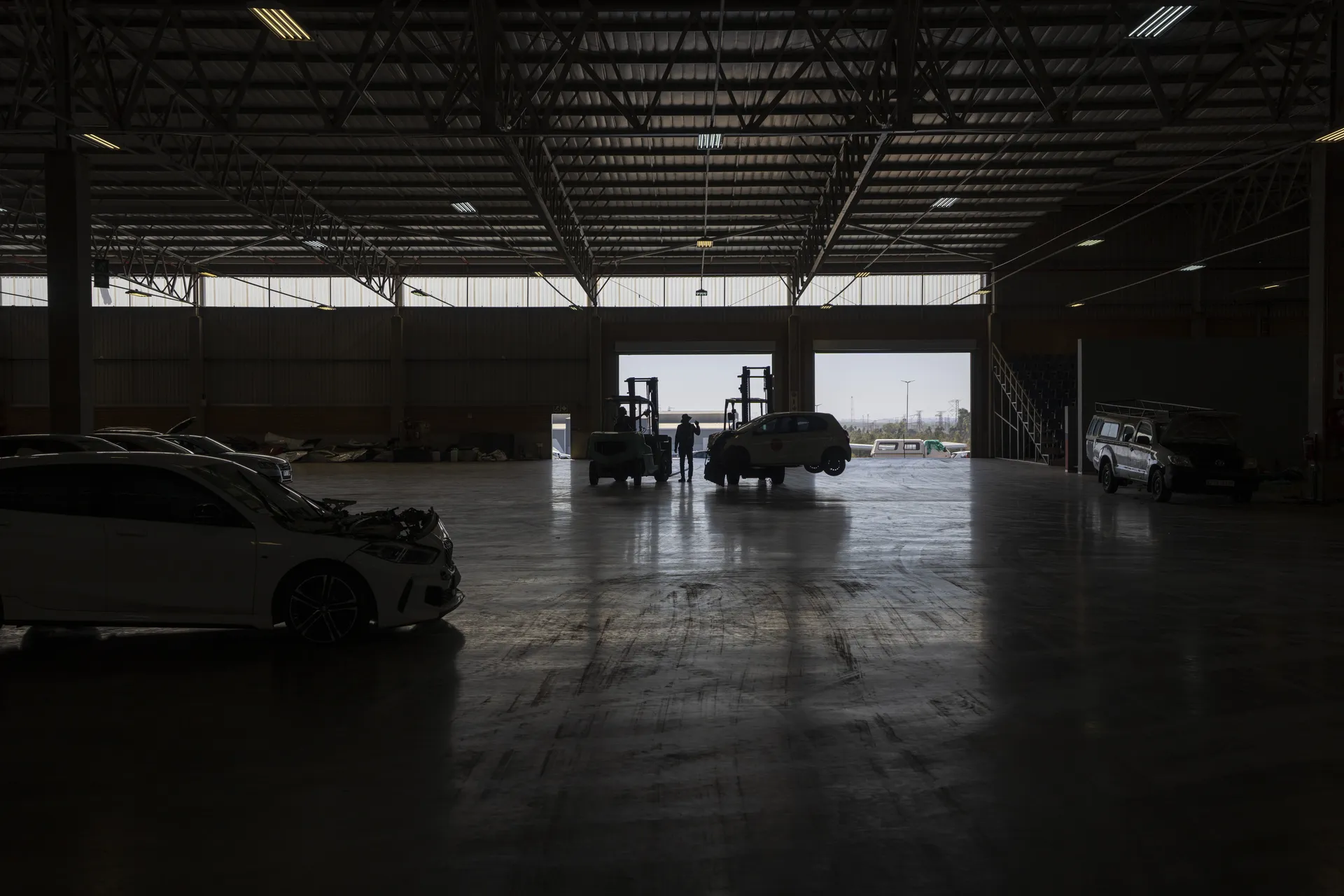
Clear Disposal Paths
Repair, sell for salvage, or scrap depending on damage severity and costs.
SA Paperwork Matters
Check finance status, proof of ownership and deregistration requirements.
Use Specialist Buyers
Buyers who offer free towing and paperwork help simplify disposal.
Overview: What to consider with a fire-damaged vehicle
A fire-damaged vehicle presents a range of disposal options. Decisions depend on the extent of fire and heat damage, whether the vehicle still runs, safety, repair costs versus market value, outstanding finance, and legal obligations in South Africa. This guide explains practical disposal paths, realistic financial considerations (all currency examples in R and shown as estimates), and how to move the vehicle through sale, salvage or deregistration safely.
Why the extent of fire damage matters
Surface fire (interior or trim scorched) differs from structural, wiring or engine fire. Heat can ruin wiring looms, ECUs, fuel systems and structural components - each factor changes repair feasibility and resale value. Professional inspection or a trusted salvage valuation helps quantify options.
Common disposal options
- Repair and retain (only for limited interior or minor component fires).
- Sell to a salvage buyer or wrecking yard for parts and scrap.
- Sell to a specialist car buyer who accepts fire-damaged vehicles for cash.
- Deregister and scrap the vehicle via authorised scrap processors if beyond repair.
When to sell vs repair a fire-damaged vehicle
Repair can make sense when repair costs are substantially less than the post-repair market value and when the vehicle has clear title with no prohibitive insurance or finance issues. Selling or scrapping is usually more practical when wiring, engine or structural components are affected and repair estimates approach or exceed the market value.
| Scenario | Typical decision | Notes |
|---|---|---|
| Minor interior fire (trim, upholstery) | Repair if cost-effective | Often cosmetic - verify wiring and electronics |
| Engine bay or wiring loom fire | Usually sell for salvage or to specialist buyer | High repair costs; electrical faults can be persistent |
| Severe structural/chassis fire | Scrap or parts-only sale | Safety compromised; roadworthiness unlikely |
Repair cost vs value retained (example estimates)
| Repair estimate (R) | Likely retained market value after repair (R) | Interpretation |
|---|---|---|
| R5,000-R20,000 | R30,000-R120,000 | Repairs may be sensible for low-cost interior fixes (estimates only) |
| R30,000-R80,000 | R40,000-R100,000 | Compare to salvage offers; repair may not recover cost |
| R100,000+ | Variable - often lower than repair cost | Likely to favour selling for salvage or scrapping |
Practical note: repair cost estimates above are illustrative. Actual quotes depend on make, model, age and parts availability. Always get multiple repair and salvage valuations - and check whether the car is under finance before agreeing any disposal.
If you want to explore selling options with a specialist buyer who handles fire-damaged vehicles and arranges towing and paperwork, our homepage explains the online valuation process Sell Your Damaged Car. For background on how the buying and collection process works, see our About page How it works.
How the disposal process typically works for fire-damaged cars
Disposal workflows vary by route, but common steps include valuation, agreement, paperwork, collection and payment or scrap processing. Using a buyer that offers free towing and paperwork handling reduces complexity and mitigates logistics risk.
Selling to a salvage buyer or parts yard
Salvage yards and breakers offer payments based on reusable parts and scrap metal value. Expect a quick inspection and an on-site or remote cash offer. Bring proof of ownership; yards will not accept vehicles without proper documentation or proof of authority to sell.
Selling to a specialist car buyer
Specialist buyers purchase fire-damaged and non-running vehicles across South Africa, often providing a straightforward online valuation, free towing, admin support and a competitive cash offer based on salvage demand. If you prefer an easier process that handles collection and deregistration, consider a buyer who lists those inclusions.
Legal & paperwork considerations in South Africa
Before disposal, verify ownership and any encumbrances. If the vehicle is under finance, inform the finance company; you cannot legally sell a vehicle with outstanding credit without settling or obtaining written consent. Deregistration processes and transfer of ownership should follow the procedures set by authorities; buyers that assist with deregistration reduce administrative burden for sellers.
Why documentation matters
- Vehicle registration papers (if available) and ID document for the seller.
- Proof of settlement or finance clearance if applicable.
- Written sale agreement and receipt on collection.
Tips to maximise value and reduce delays
- Provide clear photos showing damage, chassis numbers and odometer readings - this speeds up remote offers.
- Disclose any finance, previous accidents, or insurance write-off status to avoid contract issues.
- Get multiple offers: compare salvage yards, specialist buyers and scrap processors.
- Choose a buyer that includes free towing and paperwork assistance to avoid unexpected fees.
Damage types vs typical offer impact
| Damage type | Typical effect on offer |
|---|---|
| Cosmetic/interior scorched | Lower impact; offers often reflect repairable appearance damage |
| Wiring/ECU/engine compartment fire | Significant reduction; electrical repairs costly and risky |
| Structural or chassis fire | Major reduction; often only sold for parts or scrap |
What happens after collection
After the buyer collects the vehicle, paperwork should be completed and payment arranged as agreed. If the vehicle is sold for salvage, it may be dismantled and parts resold or sent to scrap processors. If you’ve agreed on deregistration assistance, confirm that transfer documents have been submitted to the relevant authorities and request a receipt or confirmation.
If you’d like details on selling non-running vehicles or other condition-specific guidance, see the Sell Non-Running Car page Sell Non-Running Car and our Sell Damaged Cars information Sell Damaged Cars for process details and required documents.
Experience-based examples (South Africa)
Example 1: A 2010 hatchback with interior fire to seats and dashboard scorched - repair quotes R12,000 (estimate) while salvage offers ranged lower; seller chose a specialist buyer who provided collection and paperwork support to avoid arranging transport and admin.
Example 2: A 2015 bakkie with engine bay fire - repair was quoted at R85,000 (estimate) which approached the vehicle's market value post-repair; the owner sold to a salvage buyer for parts and accepted the practical outcome.
Sources
- South African Government - Official services and regulations
- Road Traffic Management Corporation (RTMC)
- Automobile Association of South Africa - practical car advice and safety guidance
Notes: monetary figures are indicative examples only and depend on vehicle specifics, location within South Africa, and current parts market demand. Always seek multiple estimates and ensure buyers follow legal transfer and deregistration practices.
Seasoned automotive specialists dedicated to helping you turn your damaged or non-running vehicle into cash fast and hassle-free.
Disclaimer: This content is for educational purposes only. Product availability, pricing, and specifications are subject to change. Always verify current details on the retailer's website before making a purchase. We may earn affiliate commissions from qualifying purchases.
Why sell your damaged car to us?

A Division of Auction Nation, the leading expert in selling damaged cars

Best price for your damaged car

Get a cash offer within 24h

We buy damaged cars in any condition

We buy accident- damaged cars still under finance

Free, no obligation offer on your vehicle
How We Calculate Your Damaged Car’s Value
Wondering how we calculate your car’s value? At Sell Your Damaged Car, we look at: Your car’s real condition, its salvage value, and the current market demand. It’s all about honesty, transparency, and fairness — that’s how we determine your offer.
Frequently Asked Questions
Get answers to common questions about Comparison And Alternatives
Why Choose Sell Your Damaged Car?
Free Towing
Need a tow? We got you
Hassle Free
Get a cash offer within 24h!
Nationwide
Somewhere remote? No problem!
