
Fire-damaged SUV valuation in South Africa - What to expect
Learn how fire-damaged SUVs are valued in South Africa: key factors, repair vs salvage comparisons, paperwork, and practical examples with R-based estimates.
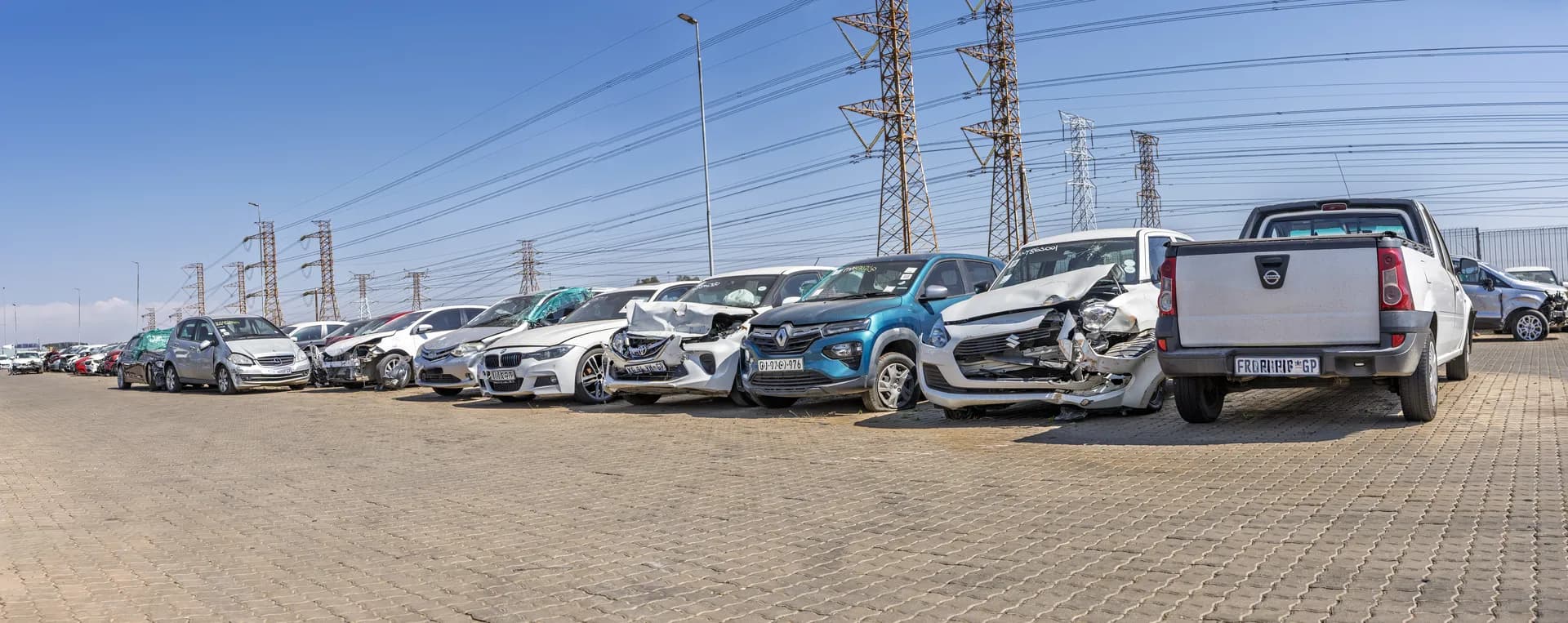
What Affects Valuation
Extent of fire, electronics damage, parts demand and pre-fire market value.
Repair vs Salvage
Compare repair estimates (R) with salvage offers to decide the best route.
SA Paperwork & Logistics
Deregistration, finance status and free nationwide collection affect sale speed.
Overview: understanding fire-damaged SUV valuation
A fire-damaged SUV valuation assesses the vehicle’s market and salvage value after heat, smoke or fire has caused damage to structural, mechanical or interior components. Valuation depends on the extent of damage, pre-incident market value, age, make and model, parts demand and whether the vehicle is insured or still under finance. Estimates and offers for fire-damaged SUVs in South Africa are typically expressed in R and vary widely; numbers below are illustrative ranges and should be treated as estimates.
Key factors valuers consider
- Severity and location of fire damage (engine bay vs. cabin vs. underbody).
- Pre-fire market value - popular models retain better salvage value.
- Extent of electrical and ECU damage (fires often destroy electronics).
- Structural integrity and frame/firewall compromise.
- Availability and demand for usable parts in the South African market.
Typical valuation outcomes (high-level)
Broadly, a minor interior fire that leaves the engine and chassis intact will yield a higher salvage value than a full-bay engine fire or total loss. Insurers may declare a vehicle written off if repair costs exceed a percentage of pre-loss market value (policy-dependent). Buyers in the salvage market-dismantlers, rebuilders or exporters-price offers according to the recoverable parts and repair complexity.
Repair cost vs value retained
| Scenario | Estimated repair cost (R) | Typical value retained (%) |
|---|---|---|
| Minor interior fire (trim, seats, wiring) | R10,000 - R50,000 | 40% - 65% |
| Engine bay / electrical fire | R50,000 - R200,000+ | 10% - 35% |
| Severe/full vehicle fire | Often beyond practical repair | Salvage parts only (0% - 15%) |
Damage types vs typical offer impact
| Damage type | Offer impact |
|---|---|
| Surface smoke & upholstery burn | Moderate reduction; interior parts recoverable |
| Wiring harness / ECU damage | Significant reduction due to high replacement cost |
| Engine compartment fire | Major reduction; often classed as a total loss |
| Chassis or structural heat damage | Severely reduces offer; safety concerns |
If you want a practical way to compare selling vs repairing, our Sell Damaged Cars guide explains the sale process and typical outcomes for damaged SUVs. For non-running examples that result from fire, see the Sell Non-Running Car page for relevant guidance on paperwork and collection.
When to sell a fire-damaged SUV vs repair
Deciding whether to repair or sell depends on repair cost estimates, availability of parts, safety after repair and emotional or sentimental value. In many South African cases where engine electronics, wiring looms or structural components are compromised, repair costs quickly approach or exceed the SUV’s pre-loss market value - making sale to a salvage buyer the pragmatic choice.
Example: a 2016 mid-range SUV with a pre-fire market value of R250,000. If engine and ECU repairs are quoted at R120,000 plus significant labour, the retained market value after repair may still be low due to a branded write-off status. Sellers often obtain a more competitive cash offer by selling as salvage.
How the valuation process works in South Africa
Valuation begins with photos and a damage description, followed by a physical inspection if required. Insurers use repairer quotes and market data; salvage buyers price offers based on recoverable parts and resale demand in SA. If your SUV is insured, the insurer’s assessor will produce a claim estimate. If not insured or if you prefer a quick cash sale, independent salvage buyers evaluate the vehicle for parts resale, export or rebuild potential.
What to prepare for an accurate valuation
- Clear photos from multiple angles showing fire-affected areas and VIN/chassis number.
- Service history and proof of ownership (logbook or valid documentation).
- Any assessor or insurance reports you already have.
- Disclosure of finance or outstanding bond on the vehicle.
If you want a streamlined sale, our About / How it works page outlines how upload, offer and collection steps typically proceed. For vehicles that no longer run after fire damage, our Sell Non-Running Car page explains free towing and paperwork handling across South Africa.
Legal & paperwork considerations in South Africa
After a sale, paperwork and deregistration must be handled correctly. If the vehicle is under finance, lenders must be notified and settlement arranged; outstanding finance affects transfer of ownership. For insured losses, ensure the insurer confirms the settlement and any write-off status. National and provincial licensing authorities record deregistration and change of ownership-buyers that handle deregistration add convenience and reduce risk for sellers.
Tips to maximise your offer for a fire-damaged SUV
- Provide high-quality photos of VIN/chassis and undamaged parts to show recoverable assets.
- Share service records and receipts for recent work; a well-maintained pre-loss history can help.
- Be transparent about the damage - accurate descriptions build trust with buyers.
- Compare offers from insurance assessors, salvage buyers and dismantlers to understand the market.
What happens after collection
Once you accept an offer, the typical flow is paperwork completion, free collection and payment. Buyers will arrange towing and handle deregistration or transfer paperwork where possible. Payment timing varies; many reputable buyers in South Africa provide fast payment after proof of collection and paperwork verification.
For an explanation of nationwide logistics and to see how the process looks end-to-end, visit our homepage for a concise overview of free towing and collection across Johannesburg, Cape Town, Durban and surrounding areas.
Practical example and range notes
Example scenario (illustrative): a 2014 compact SUV with medium engine-bay damage. Pre-fire value: R180,000. Repair estimate (engine wiring, ECU, labour): R85,000-R140,000. Salvage offers in such a case may range from R18,000 to R45,000 depending on parts demand and clean titles. These are sample ranges and not offers; actual figures depend on inspection and market conditions.
Further reading and sources
- Department of Transport - South Africa (vehicle registration and licensing)
- AA South Africa - vehicle advice and valuation guidance
- AutoTrader South Africa - market listings and price indicators
- Financial Sector Conduct Authority - insurance regulations and consumer protections
If you’re evaluating a fire-damaged SUV, gather clear photos, obtain multiple written estimates and consider how repair costs compare to pre-fire value. For tailored settlement options and logistics across South Africa, see our Sell Damaged Cars and Sell Non-Running Car pages to understand how offers, free towing and paperwork handling typically work in practice.
Seasoned automotive specialists dedicated to helping you turn your damaged or non-running vehicle into cash fast and hassle-free.
Disclaimer: This content is for educational purposes only. Product availability, pricing, and specifications are subject to change. Always verify current details on the retailer's website before making a purchase. We may earn affiliate commissions from qualifying purchases.
Why sell your damaged car to us?

A Division of Auction Nation, the leading expert in selling damaged cars

Best price for your damaged car

Get a cash offer within 24h

We buy damaged cars in any condition

We buy accident- damaged cars still under finance

Free, no obligation offer on your vehicle
How We Calculate Your Damaged Car’s Value
Wondering how we calculate your car’s value? At Sell Your Damaged Car, we look at: Your car’s real condition, its salvage value, and the current market demand. It’s all about honesty, transparency, and fairness — that’s how we determine your offer.
Frequently Asked Questions
Get answers to common questions about Damage Types
Why Choose Sell Your Damaged Car?
Free Towing
Need a tow? We got you
Hassle Free
Get a cash offer within 24h!
Nationwide
Somewhere remote? No problem!
